
The concept of luxury is often subjective, but in the world of high-end hospitality, the distinction of a five-star rating is governed by rigorous, objective standards that separate the exceptional from the merely excellent. While many travelers associate five-star status with gold-leaf ceilings or celebrity sightings, the true essence of a five-star hotel lies in the invisible architecture of service, the precision of amenities, and an uncompromising commitment to the guest experience. To understand what truly constitutes a five-star establishment, one must look beyond the thread count and explore the intricate ecosystem of operations that define global benchmarks like the Forbes Travel Guide and the Michelin Guide.
The Anatomy of Service Excellence
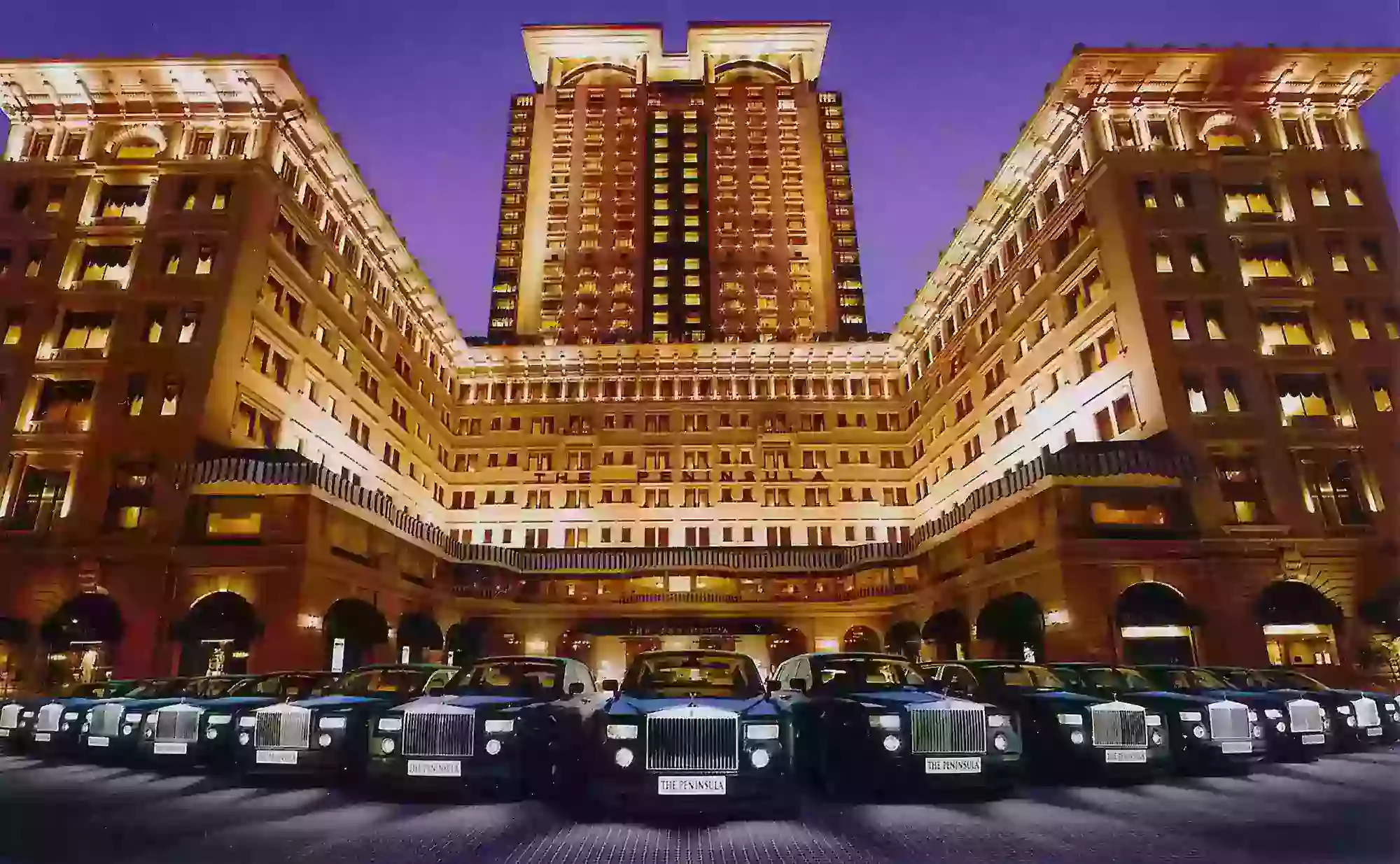
The primary differentiator between a four-star and a five-star hotel is not the size of the lobby or the quality of the gym; it is the human element. In a five-star environment, service is not reactive; it is predictive. The staff is trained to anticipate a guest’s needs before the guest even realizes they have them. This “invisible service” is the hallmark of legendary brands such as The Ritz-Carlton and Four Seasons.
The Power of Personalization
A true five-star experience begins long before the guest arrives. Pre-arrival questionnaires might ask about pillow preferences, dietary restrictions, or the specific temperature a guest prefers their room to be upon entry. When a guest walks into a hotel like The Savoy in London, they are often greeted by name by the doorman, a feat achieved through seamless internal communication and a dedication to guest recognition.
Personalization extends to the smallest details. If a guest mentions in passing that they enjoy a specific type of sparkling water, a five-star housekeeping team will ensure that the minibar is stocked with that exact brand during the evening turndown service. This level of attention requires a high staff-to-guest ratio, often exceeding two employees for every one occupied room, ensuring that no request goes ignored and no detail is overlooked.
Professionalism and the Concierge
The concierge desk is the central nervous system of a five-star hotel. Many of the world’s leading hotels employ members of the Clefs d’Or, an elite professional association of hotel concierges identifiable by the crossed golden keys on their lapels. These professionals possess an unparalleled network and the ability to secure last-minute reservations at fully booked restaurants in Paris or private tours of the Vatican City. Their role is to turn the impossible into the possible, maintaining a calm, sophisticated demeanor regardless of the complexity of the request.
The Physical Environment: Architecture and Sensory Design
While service is paramount, the physical infrastructure of a five-star hotel must reflect the highest standards of craftsmanship and design. This is not merely about expensive furniture; it is about creating a sensory environment that evokes a sense of place and tranquility.
The Sense of Arrival
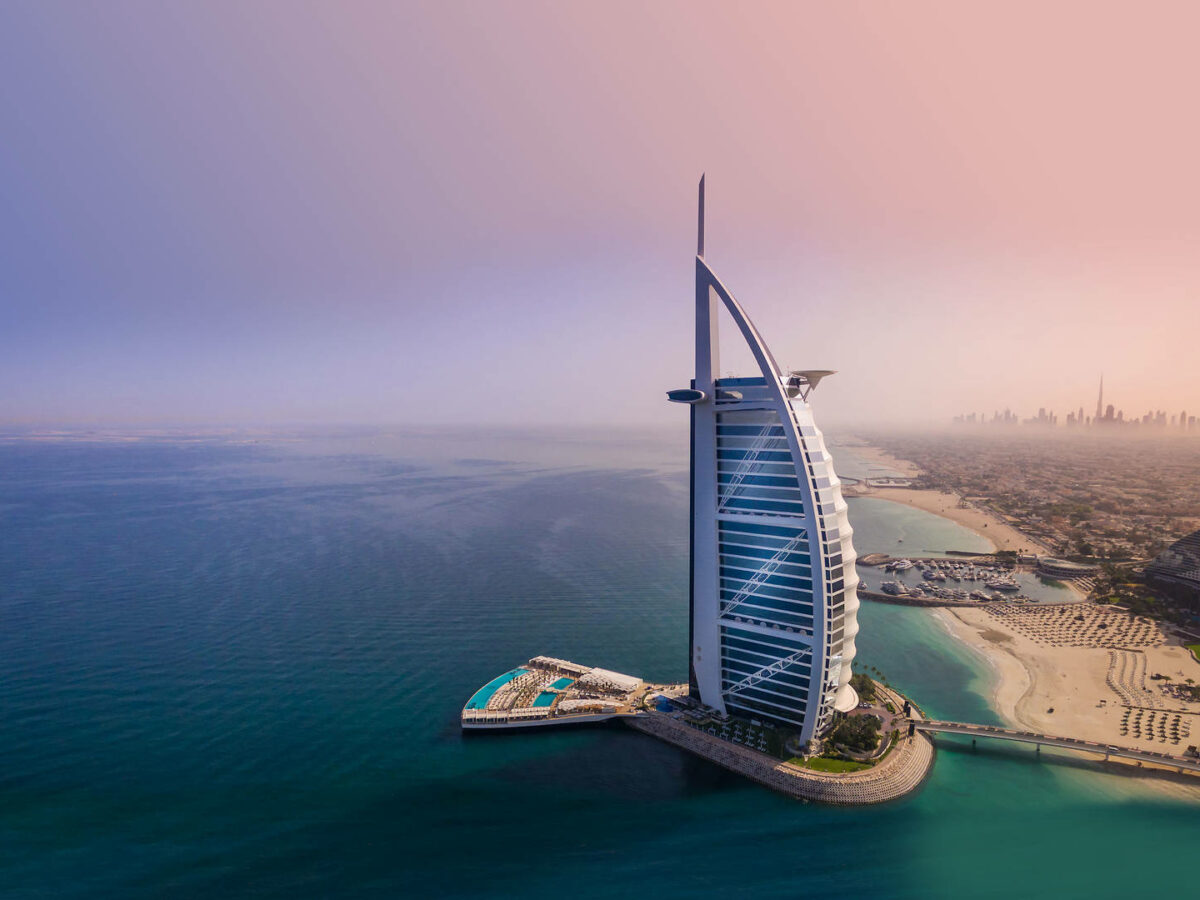
The lobby of a five-star hotel serves as its thesis statement. Whether it is the soaring, sail-shaped atrium of the Burj Al Arab in Dubai or the understated, Zen-like elegance of Aman Tokyo in Japan, the entrance must immediately transport the guest away from the chaos of the outside world. This is achieved through “sensory branding”—a curated combination of bespoke fragrances, custom lighting levels that shift based on the time of day, and acoustics that dampen the sound of the city.
Guestroom Engineering
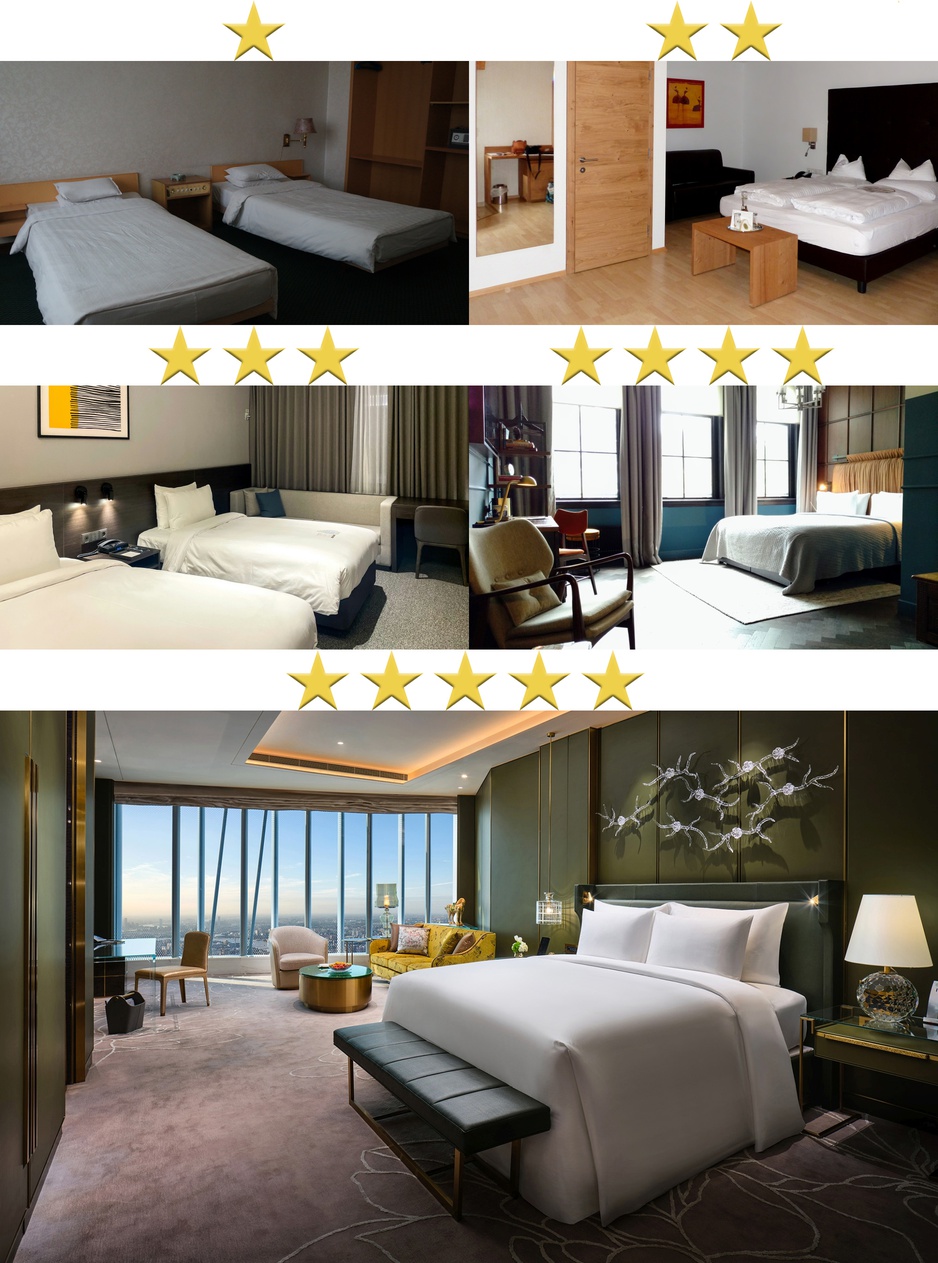
In a five-star guestroom, luxury is found in the details that most people never think about. Soundproofing is a critical requirement; guests should never hear a vacuum in the hallway or a television in the adjacent suite. The climate control system must be whisper-silent and capable of reaching a specific temperature within minutes.
The “sleep experience” is another pillar of the rating. This involves more than just a high thread-count sheet. It includes a multi-layered mattress system, a comprehensive pillow menu (offering options ranging from buckwheat to hypoallergenic down), and total blackout curtains that leave no light gaps. In properties like the Mandarin Oriental in New York City, the integration of technology allows guests to control lighting, drapes, and “do not disturb” signs from a single bedside tablet, ensuring that the room adapts to the guest, rather than the other way around.
The Luxury Bathroom
The bathroom in a five-star hotel is often designed as a private spa. Standards typically require double vanities, a separate walk-in rainfall shower, and a deep soaking tub. The materials used—often Carrara marble or rare granite—must be flawless. Amenities are equally important; five-star hotels partner with luxury fragrance houses like Diptyque or Hermes to provide bespoke toiletries, often in generous sizes that are replaced daily.
Gastronomy and the Culinary Standard
For a hotel to be considered five-star, its food and beverage program must be a destination in its own right. It is no longer enough to offer a standard international menu; the hotel must provide world-class dining that competes with the best restaurants in the city.
Michelin-Star Dining and Signature Bars
Many five-star hotels house restaurants led by celebrity chefs or those that have earned accolades in the Michelin Guide. For instance, the Plaza Athénée in France has historically been home to some of the most celebrated culinary experiences in the world.
Beyond the main dining room, the hotel bar must be an iconic social hub. In London, the bars at Claridge’s and The Connaught are world-renowned for their mixology programs. A five-star bar isn’t just about the drinks; it’s about the glassware, the quality of the ice, and the expertise of the staff who can discuss the nuances of a rare vintage wine or a small-batch spirit.
The 24-Hour Room Service Experience
One of the non-negotiable requirements for a five-star rating is 24-hour room service. However, the five-star version of this service is a far cry from a club sandwich on a plastic tray. At a luxury property, room service is treated as an “in-room dining experience.” The meal is delivered on a linen-clothed table, often with fresh flowers, silver cutlery, and high-quality porcelain. The server should offer to pour the first glass of wine and set up the meal as if the guest were in a formal dining room. The menu must also cater to a global audience, offering everything from local delicacies in Italy to specialized wellness menus for health-conscious travelers.
Wellness, Facilities, and the Holistic Stay
In the modern era, the definition of a five-star hotel has expanded to include a comprehensive focus on wellness. A high-end stay is no longer just about indulgence; it is about restoration and health.
The Spa and Fitness Center
A five-star spa is not just a room for massages; it is a sanctuary. It must include a variety of thermal experiences—saunas, steam rooms, and vitality pools—alongside specialized treatments that often incorporate local ingredients or advanced skincare technology. Facilities like those at Rosewood Hotels or Peninsula Hotels often feature indoor lap pools with underwater music and fitness centers equipped with the latest Technogym machinery and on-site personal trainers.
Housekeeping and Maintenance
The “back of house” operations are what keep a five-star hotel running flawlessly. Housekeeping occurs at least twice daily, including a comprehensive evening turndown service where the bed is prepared, slippers are placed, and a small gift or bottled water is left on the nightstand. Maintenance must be proactive; there should never be a chipped tile, a burnt-out lightbulb, or a scuff on the wallpaper. In properties like the Belmond Hotel Splendido in Portofino, the preservation of historical beauty while maintaining modern functionality is a testament to the rigorous maintenance standards required at this level.
Global Consistency and Local Culture
Finally, a five-star hotel must balance global standards with local authenticity. While a guest expects the same level of service at a Four Seasons in Singapore as they do in Canada, they also want to feel that they are in a specific destination.
The most successful five-star hotels integrate local culture into their design and service. This might mean serving traditional tea ceremonies in Tokyo, featuring local artwork in the corridors of a Madrid property, or using indigenous building materials in a Mexico resort. This sense of “place” is what elevates a hotel from a high-end commodity to a memorable experience.
In conclusion, what makes a five-star hotel is a meticulous blend of high-thread-count physical luxury and the high-touch emotional intelligence of its staff. It is a place where every detail is deliberate, every interaction is thoughtful, and every guest is made to feel that the entire operation exists solely for their comfort. Whether it is a historic palace in Vienna or a modern skyscraper in Hong Kong, the five-star badge remains the ultimate promise of excellence in the world of hospitality.
LifeOutOfTheBox is a participant in the Amazon Services LLC Associates Program, an affiliate advertising program designed to provide a means for sites to earn advertising fees by advertising and linking to Amazon.com. Amazon, the Amazon logo, AmazonSupply, and the AmazonSupply logo are trademarks of Amazon.com, Inc. or its affiliates. As an Amazon Associate we earn affiliate commissions from qualifying purchases.