
Finding the perfect balance between luxury and affordability is the primary goal of every savvy traveler. Whether you are planning a weekend getaway to New York City or a month-long excursion across Europe, the cost of accommodation often dictates the overall feasibility of the trip. Understanding the ebb and flow of hotel pricing is not merely about luck; it is about recognizing the patterns of supply and demand that govern the hospitality industry.
Mastering the Timing of Your Booking
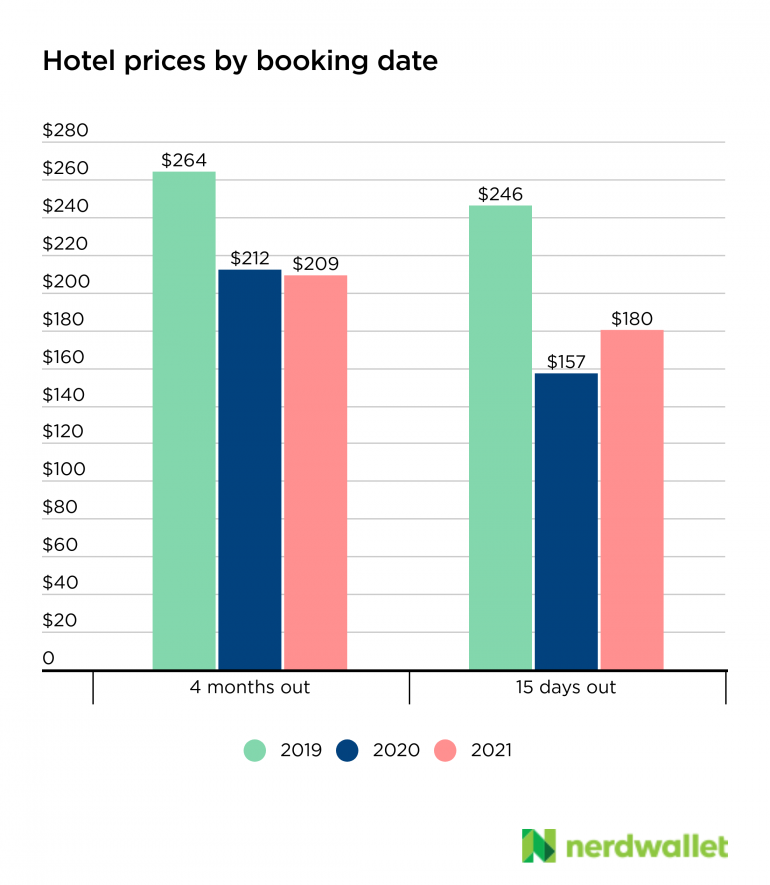
The window of time between your booking date and your actual check-in date plays a pivotal role in the final price you pay. While many travelers believe that “last-minute” deals are the holy grail of savings, data suggests a more nuanced reality.

The Sweet Spot for Reservations
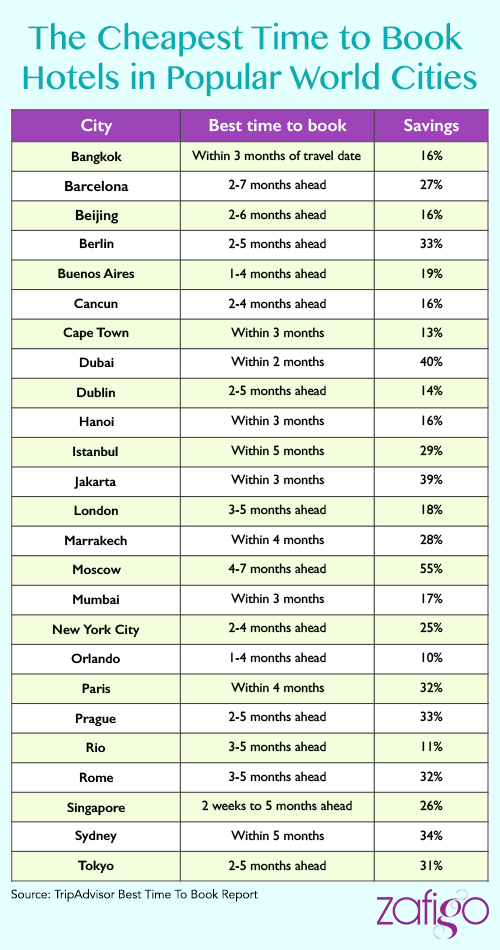
For most urban hotels, such as those found in London or Tokyo, the optimal booking window is generally between three to six weeks before your arrival. Booking too far in advance can sometimes lead to paying a premium, as hotels keep their rates high to hedge against future demand. Conversely, waiting until the final 48 hours is often a gamble. Unless a property like the The Ritz-Carlton has significant vacancy, they are unlikely to drop rates drastically.
The Myth of Last-Minute Deals
While platforms like HotelTonight have made booking at the eleventh hour popular, this strategy is best suited for off-peak periods or less popular destinations. In high-demand cities during major events, such as Paris Fashion Week, prices tend to climb as the date approaches because the remaining inventory is targeted at business travelers or those with no other options.
Navigating Seasonal Fluctuations and Off-Peak Travel
Seasonality is perhaps the most significant factor in hotel pricing. Every destination experiences a “shoulder season”—that magical period between peak tourist traffic and the absolute off-season.
The Shoulder Season Advantage
Traveling during the shoulder season—for instance, visiting Italy in late October or early November—can result in savings of up to 40% compared to summer rates. During these months, the weather remains pleasant, but the influx of travelers at landmarks like the Colosseum has diminished, forcing hotels to lower their nightly rates to attract guests.
Avoiding Peak Periods
Major holidays and school vacation weeks are guaranteed to be the most expensive times to stay in any popular destination. If you intend to visit Orlando during spring break or Aspen during the winter holidays, you will be paying peak market rates regardless of how far in advance you book. To secure the best value, shift your travel dates by just one or two weeks on either side of these high-demand periods.
The Influence of the Weekly Calendar
Not all days of the week are created equal in the hospitality sector. Professional travelers often find that their day of arrival can save them hundreds of dollars over the course of a week.
Midweek vs. Weekend Dynamics
- Business Hubs: In cities like Chicago or Frankfurt, hotels that cater to business travelers often see prices spike during the work week. Consequently, Friday and Saturday nights might actually be cheaper as the business crowd checks out.
- Leisure Destinations: In contrast, resorts located in places like Bali or Cancun prioritize leisure travelers. In these areas, weekend rates are consistently higher than mid-week rates due to the surge in demand from vacationers.
The Sunday Night Exception
Across almost all markets, Sunday night is statistically the cheapest night to book a hotel room. By the time Sunday rolls around, the weekend leisure crowd has departed, and the Monday-morning business rush has not yet begun. Hotels are often desperate to fill rooms that would otherwise sit empty, making it the perfect time to request a room upgrade at a discounted rate.
Strategic Booking Platforms and Loyalty Programs
How you book your stay is just as important as when you book it. In the digital age, loyalty and direct engagement can provide significant financial advantages.
The Power of Direct Booking
While third-party aggregators such as Expedia or Booking.com are excellent for comparison, they often charge commission fees that are baked into the room rate. If you identify a property you like, such as a Four Seasons Resort, navigate to their official website. Many chains now offer “Member Exclusive” rates that are lower than what you will find on any public search engine.
Loyalty Programs and Hidden Perks
Consistent patronage pays off. By joining the loyalty programs of major chains like Marriott International or Hilton Worldwide, you gain access to members-only sales, free cancellations, and the occasional complimentary breakfast or room upgrade. Over time, the points accrued can lead to “free” nights, which effectively lowers your average cost per night across a longer trip.
External Variables That Drive Pricing
Sometimes, the price of a hotel is determined by factors entirely outside of your control, yet knowing what to look for can help you predict price swings.
Large-Scale Events and Conventions
Before finalizing your travel plans to a city like Las Vegas, perform a quick search for major conferences or festivals. If a massive convention is in town, hotels will be at near 100% capacity, and you will see prices surge regardless of the season or the day of the week. Avoiding these dates is essential for budget-conscious travelers.
New Hotel Openings
Keep an eye on travel news for grand openings. When a new property, such as a St. Regis, opens its doors, they often offer “soft opening” rates that are significantly discounted. These rates are designed to generate buzz and solicit reviews, providing you with a high-end experience at a fraction of the standard rack rate.
Economic Shifts
In times of economic uncertainty, hotels are more willing to negotiate or participate in flash sales. Monitoring travel industry news can give you insight into whether a particular region is experiencing a slump in tourism. When hotels struggle to maintain occupancy levels, they become much more aggressive with their pricing strategies, offering value-add packages that include amenities like parking, dining credits, or late check-outs.
By integrating these strategies—booking in the three-to-six-week window, targeting shoulder seasons, prioritizing Sunday night stays, and utilizing direct booking channels—you can fundamentally change how you interact with the hotel market. Travel should be an enriching experience, not a financial burden, and by mastering the timing of your reservations, you ensure that your resources are spent on the memories you make at your destination rather than the cost of the room you sleep in.
LifeOutOfTheBox is a participant in the Amazon Services LLC Associates Program, an affiliate advertising program designed to provide a means for sites to earn advertising fees by advertising and linking to Amazon.com. Amazon, the Amazon logo, AmazonSupply, and the AmazonSupply logo are trademarks of Amazon.com, Inc. or its affiliates. As an Amazon Associate we earn affiliate commissions from qualifying purchases.