
Understanding hotel check-in protocols is an essential skill for any frequent traveler. Whether you are planning a luxury escape to The Ritz-Carlton in New York City or a quick business stopover at a Marriott International property in Chicago, the timing of your arrival can significantly impact your experience. While standard industry practices exist, they are often subject to fluctuations based on occupancy, housekeeping schedules, and property-specific policies.
The Standard Hotel Industry Timeline
Most hotels operate under a set of universally recognized timing conventions. These guidelines are designed to balance the needs of departing guests with the preparation required for incoming visitors.

The Standard Check-In Window
In the vast majority of hotels globally, from boutique establishments in Paris to sprawling resorts in Bali, the official check-in time typically begins at 3:00 PM or 4:00 PM. This window is not arbitrary; it is strategically chosen to allow housekeeping staff sufficient time to deep-clean rooms following the morning checkout period.
The Checkout Buffer
Check-out times are almost universally set for 11:00 AM or 12:00 PM. This three-to-four-hour gap is the “turnover window.” During this period, the property’s housekeeping team—often working in rapid-fire succession—strips linens, sanitizes surfaces, replenishes amenities, and prepares the room for the next guest. Understanding this cycle helps travelers realize why arriving at 10:00 AM for a 3:00 PM check-in rarely results in immediate access to a room, regardless of the property’s brand prestige.
Strategies for Early and Late Arrivals
If your travel itinerary forces you to arrive significantly outside the standard window, you are not necessarily stranded. Hotels generally offer several ways to accommodate off-peak arrivals, provided you communicate effectively.
Requesting Early Check-In
The most common question at the front desk is, “Is my room ready?” While hotels like Hilton Worldwide or Four Seasons Hotels and Resorts strive to accommodate requests, an early check-in is rarely guaranteed. If you arrive in a city like London at 9:00 AM, consider these approaches:
- Contact the hotel in advance: Emailing or calling the front desk 24 to 48 hours before your arrival allows the staff to note your preference in their system.
- Join a loyalty program: Members of frequent guest programs, such as World of Hyatt, are often prioritized for early check-in when available.
- Utilize luggage storage: Almost every hotel has a secure baggage room. Even if your room isn’t ready, you can drop your bags and begin exploring the local sights, such as the Louvre Museum or Central Park, while the staff prepares your suite.
Handling Late Check-In
Arriving late is generally much easier than arriving early. If you anticipate arriving after 6:00 PM or even well into the night, the most important step is to notify the hotel. Many hotels, especially smaller, independent properties or those in Tokyo, may mark a reservation as a “no-show” if they do not hear from the guest by a certain time.
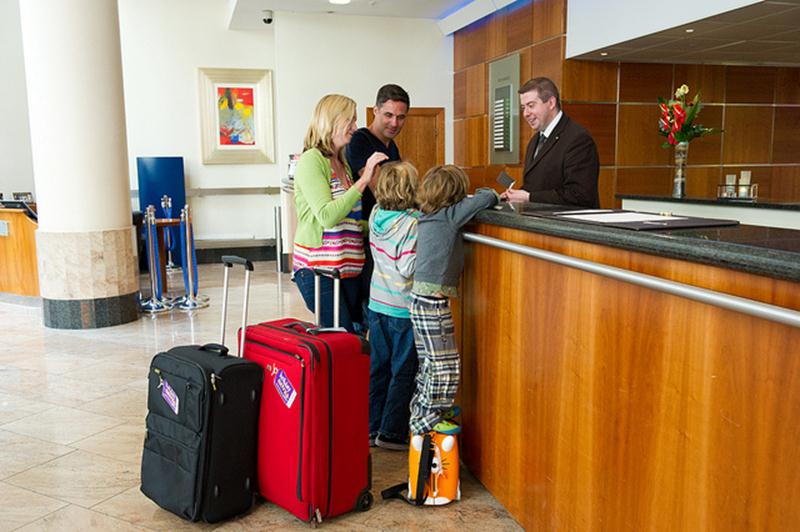
If you are staying at a major hub like The Venetian Las Vegas, there is usually someone at the front desk 24/7. However, if you are checking into a smaller villa in Tuscany, they may require a code or a specific hand-off time for your keys. Always provide your expected time of arrival when booking.
Factors Influencing Room Availability
Several variables dictate whether you can get into your room before the published check-in time. Recognizing these factors can help you manage your expectations.
Peak Season and High Occupancy
If you are visiting a destination during a peak period, such as Dubai during the winter months or Kyoto during cherry blossom season, the hotel is likely at 100% occupancy. When a property is completely full, the hotel cannot “release” a room to you until the previous guest has fully vacated it and housekeeping has completed their task. In these scenarios, early check-in is mathematically impossible until the turnover cycle is finished.
Housekeeping Staffing Levels
The speed at which a hotel recovers its inventory is dependent on its housekeeping team. Larger hotels in Las Vegas have larger staff ratios, allowing them to flip rooms faster. Conversely, a remote eco-lodge in Costa Rica might have limited staff, meaning room preparation will take longer. Patience is key when dealing with smaller operations.
Premium Room Types
Sometimes, specific room types—such as suites, ADA-compliant rooms, or connecting rooms—take longer to clean due to their size or complexity. If you have booked a specialized room, understand that the staff may need extra time to ensure it meets the brand’s standards, potentially pushing your check-in time slightly closer to the end of the window.
Digital Solutions and Modern Convenience
The digital age has fundamentally shifted how we interact with the front desk. Many major chains are now utilizing technology to streamline the process.
Mobile Check-In
Apps provided by hospitality giants like Accor or InterContinental Hotels Group often allow guests to check in digitally before they even step onto the property. In some cases, your smartphone acts as your room key, bypassing the front desk entirely. However, even with digital check-in, you still cannot enter the room until the system confirms it is vacant and cleaned.
The “Stay Over” Advantage
If you are worried about early check-in, some seasoned travelers utilize the “book the night before” strategy. If you have an early morning flight arriving in Singapore, booking the room for the previous night ensures that your room is waiting for you the moment you arrive, no matter how early. While this is an added expense, it is often considered a worthy investment for business travelers who need to shower and change immediately after a long-haul flight.

Communication is Key
Ultimately, the best advice for any guest is to maintain open lines of communication. Whether you are staying at The Savoy or a budget-friendly Holiday Inn, a polite call to the front desk on the day of your arrival usually yields the most accurate information. Staff members are generally happy to help, provided they have the logistical capacity to do so. By understanding these industry standards and preparing accordingly, you can eliminate the stress of the check-in process and focus on the enjoyment of your travels.
LifeOutOfTheBox is a participant in the Amazon Services LLC Associates Program, an affiliate advertising program designed to provide a means for sites to earn advertising fees by advertising and linking to Amazon.com. Amazon, the Amazon logo, AmazonSupply, and the AmazonSupply logo are trademarks of Amazon.com, Inc. or its affiliates. As an Amazon Associate we earn affiliate commissions from qualifying purchases.