
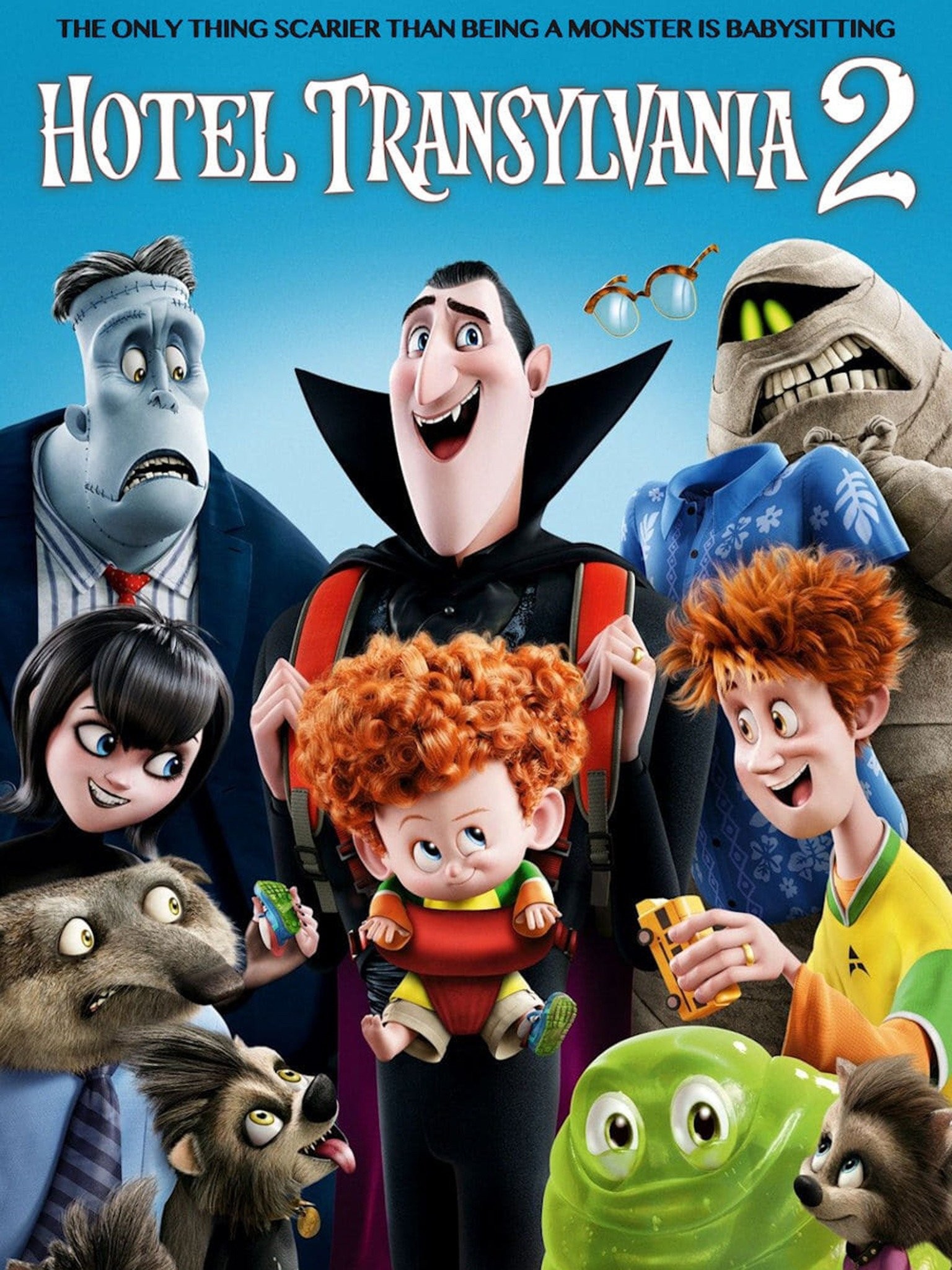
The release of Hotel Transylvania 2 on September 25, 2015, marked a significant milestone for family-oriented travel and the pop-culture portrayal of hospitality. While the film is a work of animation, its thematic foundation—a secluded, luxury getaway for creatures of the night—mirrors the aspirations of real-world travelers seeking unique, immersive, and high-end lodging experiences. Understanding the intersection between cinematic hospitality and the actual travel industry offers a fascinating look at why families gravitate toward resorts that promise more than just a place to sleep, but an entire world of adventure.
The Evolution of Cinematic Hospitality and Travel Trends
The timeline surrounding the release of Hotel Transylvania 2 aligns with a shift in the travel industry. By 2015, the market for themed resorts and immersive family travel had reached a fever pitch. Much like the fictional Dracula and his carefully curated sanctuary, modern vacationers are increasingly looking for properties that provide a comprehensive “experience” rather than simple overnight accommodation.
Creating Immersive Guest Environments
The popularity of the Hotel Transylvania franchise helped normalize the concept of a “total destination resort.” When travelers look for lodging today, they often seek out properties that mirror the complexity of a movie set. Whether it is a boutique Castle in Transylvania or a sprawling family resort in Orlando, the goal remains the same: complete immersion. Resorts now prioritize interior design that tells a story, ensuring that the lobby, the guest rooms, and the dining halls feel like chapters in a larger narrative.
The Rise of Niche-Targeted Resorts
Post-2015, the hospitality sector saw a surge in niche-targeted properties. If a hotel can cater to a specific interest—be it gothic architecture, wellness-focused escapes, or family-focused adventure—it significantly increases its market share. The film’s focus on the tension between traditional monster ways and the modern world highlights the same challenges faced by historic properties in cities like London or Paris, where heritage must balance with modern guest expectations for Wi-Fi, digital check-ins, and contemporary culinary offerings.
What Modern Travelers Look for in Luxury Family Stays
When families plan their vacations, the “Hotel Transylvania” model of providing endless entertainment on-site is a gold standard. The film portrays a destination that prevents the need for leaving, providing swimming pools, dining, and socialization in one massive, Gothic-revival structure. This is essentially the blueprint for the modern all-inclusive resort.
The Appeal of the All-Inclusive Experience
The desire for a self-contained ecosystem—where a guest can wake up in Mexico or the Caribbean and find everything they need within a perimeter fence—has grown exponentially. Much like the characters in the movie, families today appreciate high-security, high-comfort environments. The features that make a hotel successful today include:
- Diverse Recreational Amenities: From expansive water parks to specialized youth clubs that mirror the kid-friendly monsters in the film.
- Unique Culinary Destinations: Moving away from standard hotel buffets toward themed, high-end dining experiences that provide a sense of place.
- Thematic Concierge Services: Personalized attention that treats the guest like a protagonist in their own vacation story.

Navigating the Balance of History and Modernity
One of the central themes in the film is the renovation of a dated facility to suit a younger generation. This is a common hurdle for many real-world historic hotels, such as those found in Rome or Prague. The challenge lies in updating the infrastructure to meet modern luxury standards without losing the “soul” of the landmark architecture. Hoteliers often look at how to integrate smart-room technology and sustainable practices while preserving the antique aesthetic that draws travelers to these iconic locations in the first place.
The Global Impact of Themed Travel and Destination Resorts
The lasting impact of the 2015 release of Hotel Transylvania 2 isn’t just in box office numbers; it is found in the way travelers evaluate their choice of destination. When choosing a place to stay, we are subconsciously asking, “Does this hotel offer a sense of belonging?”
The Psychology of Vacation Escapism
Why do we travel to hotels that feel like different worlds? The escapism provided by themed resorts is a psychological necessity for the modern worker. Whether it is a luxury stay at the Waldorf Astoria or a thematic mountain lodge in Colorado, the transition from one’s mundane home life to a curated environment helps reset the mind. This is the “Hotel Transylvania effect”—the idea that a hotel is not just a room, but a sanctuary that shields the guest from the pressures of the outside world.
Destination Marketing and Pop Culture
Tourism boards and hotel groups have mastered the art of leveraging media to drive travel. Just as film fans are drawn to the aesthetic of the “Drac-pack,” travelers are increasingly drawn to hotels featured in films or those that mirror the style of popular media. When a resort manages to capture a specific mood—be it the spooky luxury of a Transylvanian castle or the bright, airy elegance of a Maldives bungalow—it creates a “bucket list” demand. This alignment between media and travel marketing ensures that properties remain top-of-mind for potential guests who want to “live” the experience they saw on screen.
Future Projections for Immersive Hospitality
As we move further away from the 2015 release date of Hotel Transylvania 2, the hospitality industry continues to evolve toward higher levels of interactivity. The future of the industry lies in personalized technology—AI-driven concierges, augmented reality tours of hotel grounds, and hyper-personalized room settings that adjust to a guest’s preference upon arrival.
Technology Meets Traditional Hospitality
We are seeing a move toward the “invisible” hotel, where the physical structure and the digital experience are seamless. This mirrors the high-tech, high-magic environment of the film’s titular location. While we may not have monsters running our check-in desks, the expectation for instant, efficient, and magical service is at an all-time high. Travelers want to feel as though their needs are being anticipated before they even arrive at the destination, whether they are checking into a high-rise in New York City or a retreat in Bali.

Sustainability in Themed Travel
Finally, the trend toward eco-conscious travel is shaping how these large, resort-style properties are designed. The modern “monster hotel” must be sustainable. Resorts are now integrating green energy, locally sourced food, and water conservation efforts as key amenities. The savvy traveler today values a property that respects the environment as much as it respects their need for a premium, unforgettable vacation. As we look at the legacy of cultural milestones like the 2015 release of Hotel Transylvania 2, we see that while the aesthetics of our dream getaways may change, the core human desire to escape into a perfectly crafted, hospitable, and immersive world remains constant. Travelers will continue to seek out those special places—the resorts, the castles, and the coastal villas—that turn a simple trip into a legendary story.
LifeOutOfTheBox is a participant in the Amazon Services LLC Associates Program, an affiliate advertising program designed to provide a means for sites to earn advertising fees by advertising and linking to Amazon.com. Amazon, the Amazon logo, AmazonSupply, and the AmazonSupply logo are trademarks of Amazon.com, Inc. or its affiliates. As an Amazon Associate we earn affiliate commissions from qualifying purchases.