
The Stanley Hotel, perched majestically against the backdrop of the Rocky Mountains, stands as a definitive icon of American hospitality and architectural grandeur. To understand the origins of this legendary establishment, one must travel back to the dawn of the 20th century, a time when Estes Park, Colorado, was being transformed from a rugged wilderness into a premier destination for the nation’s elite.
The Visionary Origins and Construction Timeline
The story of the Stanley Hotel began with Freelan Oscar Stanley, a co-inventor of the Stanley Steamer automobile. In 1903, Stanley arrived in Colorado seeking a cure for his tuberculosis. At the time, the medical consensus for those suffering from lung ailments included fresh, high-altitude air. After spending a summer in the pristine climate of Estes Park, Stanley’s health improved dramatically, and he became enamored with the breathtaking landscapes of the American West.
Breaking Ground in 1907
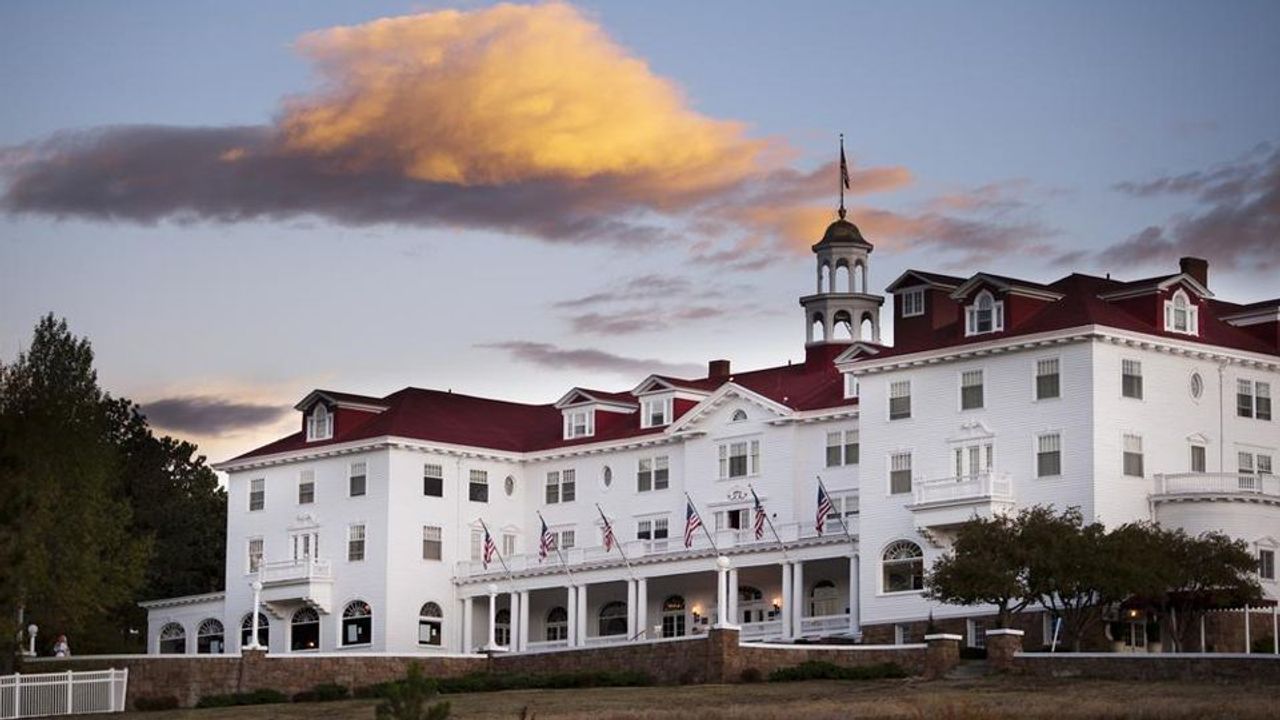
Construction of the hotel officially began in 1907. Unlike the rustic log cabins that characterized much of the frontier architecture of the era, Freelan Oscar Stanley envisioned a structure that mirrored the sophistication of the East Coast. He brought in teams of skilled craftsmen to construct a Colonial Revival masterpiece that would stand as a testament to modernity and comfort in the heart of the wilderness.
Opening Its Doors in 1909
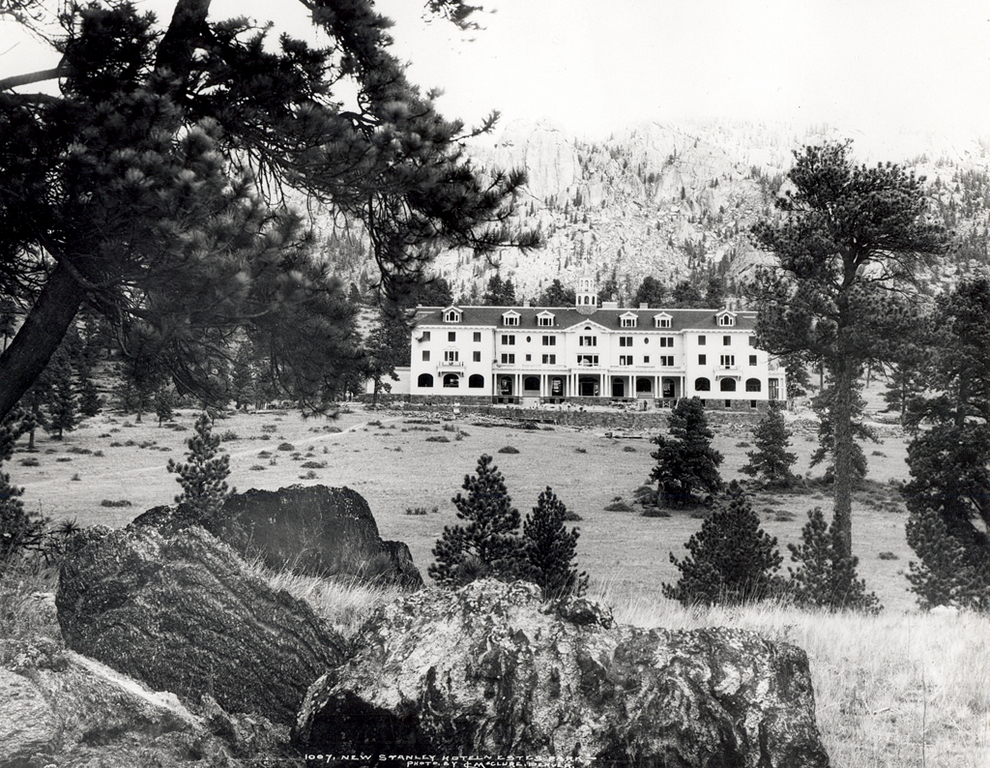
The hotel was completed and officially opened for guests in 1909. Upon its completion, it boasted amenities that were considered revolutionary for such a remote location, including electricity, running water, and a fleet of custom-built steam-powered automobiles designed to transport guests from the nearest rail station in Lyons. The structure was not merely a place to sleep; it was a sanctuary of high culture, boasting a concert hall, a billiard room, and a grand dining hall that served guests traveling from across the United States.
Architectural Significance and Legacy
The Stanley Hotel is an architectural marvel that defines the historical character of Colorado. Its design reflects the ambition of the Gilded Age, characterized by its symmetrical facade, white wood siding, and expansive wrap-around porches that offer panoramic views of Longs Peak.
Colonial Revival Influence
The architecture of the Stanley Hotel is heavily influenced by the Colonial Revival style, which was highly fashionable in the early 1900s. The structure serves as a physical bridge between the burgeoning tourism industry of the American West and the refined aesthetics of the New England region where Freelan Oscar Stanley spent his formative years. Every detail, from the grand lobby staircase to the intricate molding, was designed to convey a sense of permanence and elegance.

Preservation and National Recognition
Today, the hotel is recognized on the National Register of Historic Places. Over the decades, the management has meticulously maintained the original structural integrity while modernizing interior facilities to meet the expectations of contemporary travelers. This balance between historical preservation and functional luxury is precisely why the property remains a pinnacle of landmark hospitality in North America.
Cultural Impact and Global Recognition
Beyond its structural history, the Stanley Hotel has secured a permanent spot in global cultural consciousness. Much of its enduring fame in the modern era can be traced back to its unique atmosphere, which caught the attention of author Stephen King in 1974.
The Inspiration for The Shining
During a stay in Room 217, Stephen King was inspired by the hotel’s isolation, its long, quiet corridors, and its peculiar history. This stay served as the primary catalyst for his iconic horror novel, The Shining. The book, and the subsequent cinematic adaptations, catapulted the hotel to international stardom, shifting its reputation from a quiet resort for the elite to a landmark destination for travelers curious about the intersection of history and folklore.
A Beacon for Tourism
The notoriety gained through popular culture has significantly boosted the tourism profile of Estes Park. Thousands of visitors arrive annually, not just for the proximity to Rocky Mountain National Park, but to experience the history of the Stanley Hotel firsthand. Tours of the property now focus on both its architectural development and the legends that have accumulated within its walls over the past century.
Planning Your Visit to the Historic Site
For those planning to visit this historic landmark, understanding the timeline of its construction provides a deeper appreciation for the effort required to build such a structure in the early 20th century. When Freelan Oscar Stanley looked out over Estes Park in 1907, he saw a vision of the future. Today, the hotel remains a living, breathing component of that vision.
What to Expect Upon Arrival
Visitors today can expect a comprehensive experience that highlights the hotel’s historical roots. The lobby and common areas retain the charm of 1909, while the newer additions, such as the Aspen wing and expanded conference facilities, ensure the comfort expected of a world-class resort. Whether you are an enthusiast of architecture, history, or literary lore, the property offers a unique immersion into the spirit of the early 1900s.
Tips for History Enthusiasts
- Book a Historical Tour: The hotel offers specialized guided tours that detail the engineering feats involved in its construction.
- Explore the Grounds: Taking time to walk the perimeter allows you to view the Stanley Hotel from angles that showcase its impressive scale against the Rocky Mountains.
- Dining and Amenities: Dining in the main restaurant offers a glimpse into the opulent lifestyle of the hotel’s original guests, who arrived by horse-drawn carriage and steamer to spend weeks away from the bustle of the city.
The legacy of the Stanley Hotel is firmly rooted in the dedication of its founder and the timeless beauty of its location. Built in a transformative era, it serves as a monument to human ingenuity and the enduring allure of the Colorado highlands. From the first shovel of earth turned in 1907 to the vibrant destination it is today, the story of this hotel is a testament to the fact that great landmarks are not merely built; they are crafted to stand the test of time, inviting generations of travelers to step back into a world where elegance and nature coexist in perfect harmony.
LifeOutOfTheBox is a participant in the Amazon Services LLC Associates Program, an affiliate advertising program designed to provide a means for sites to earn advertising fees by advertising and linking to Amazon.com. Amazon, the Amazon logo, AmazonSupply, and the AmazonSupply logo are trademarks of Amazon.com, Inc. or its affiliates. As an Amazon Associate we earn affiliate commissions from qualifying purchases.