
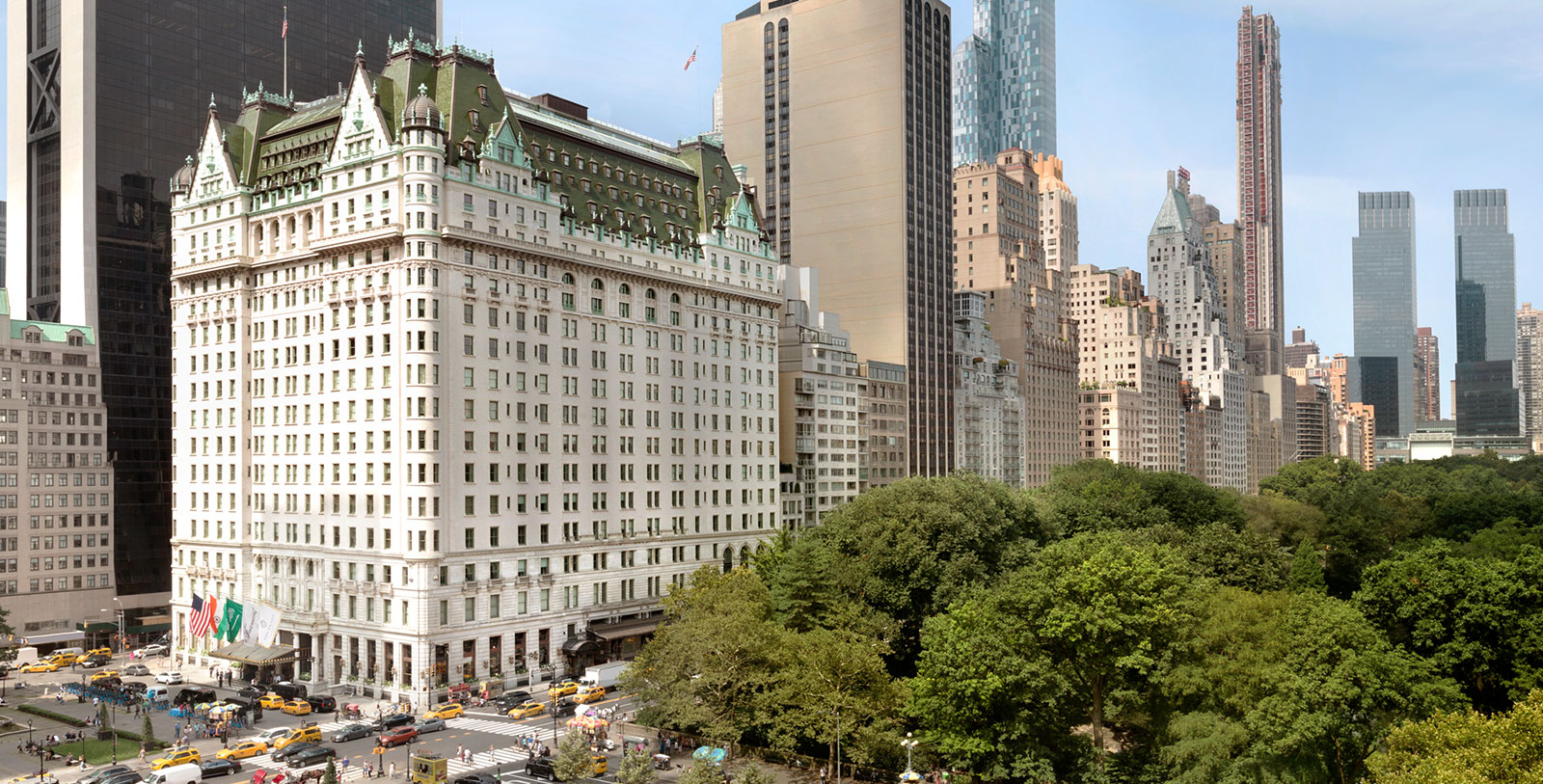
Standing as a regal sentinel at the intersection of Fifth Avenue and Central Park South, The Plaza Hotel is more than just a place to stay; it is a permanent fixture in the cultural lexicon of New York City. To understand the significance of this architectural masterpiece, one must look back to the Gilded Age, a time of rapid economic growth and extravagant ambition in the United States.
The Origins and Construction of an Icon
The story of The Plaza Hotel began in the late 19th century. The current structure, which replaced an earlier hotel of the same name built in 1890, was designed to be the most luxurious hotel in the world. Construction of the current building commenced in 1905 and was completed in 1907.

A Vision of French Renaissance Elegance
The architectural firm of Henry Janeway Hardenbergh was commissioned to bring the grand vision to life. Hardenbergh, who was already renowned for his work on other iconic New York City landmarks, opted for a French Renaissance château style. This design choice was intended to mirror the opulence of European palaces, providing a stark, sophisticated contrast to the rising skyscrapers of Manhattan.
The Grand Opening in 1907
When the doors officially opened on October 1, 1907, the city was spellbound. The construction, which cost approximately $12 million at the time—a staggering sum—resulted in a 19-story limestone structure that occupied an entire block. It was reported that the opening was so highly anticipated that guests were turned away in droves, establishing The Plaza Hotel as the premier destination for the social elite of America.
Architectural Significance and Structural Evolution
The building itself is a testament to the engineering prowess of the early 20th century. Beyond its aesthetic beauty, the hotel was built to offer comforts that were considered revolutionary for the era, including private telephones in every room and an advanced ventilation system.
Defining the Manhattan Skyline
The Plaza Hotel was strategically placed to capture the best views of Central Park. Its facade, characterized by its dramatic mansard roof and intricate detailing, influenced the aesthetic of countless other luxury hotels in North America. The use of white marble, crystal chandeliers, and gold-leaf accents throughout the lobby solidified its reputation as a palace of high society.

Maintaining Heritage Amidst Modernization
Throughout the 20th century, the hotel underwent several renovations to modernize its interiors while meticulously preserving its historic facade. In 1969, the New York City Landmarks Preservation Commission officially designated the hotel an exterior landmark. Later, in 1978, the interior public spaces were also granted landmark status, ensuring that the legacy of Hardenbergh’s design would be protected for future generations.
The Cultural Legacy of The Plaza Hotel
It is impossible to discuss the history of The Plaza Hotel without acknowledging its role in literature, film, and global culture. The hotel has functioned as a secondary character in the lives of the world’s most famous socialites, politicians, and celebrities.
A Setting for Literary and Cinematic History
The fame of the hotel was cemented in popular culture through various mediums. It served as the setting for Eloise at The Plaza, the beloved children’s book series by Kay Thompson. On screen, the hotel has appeared in numerous classic films, most notably Home Alone 2: Lost in New York, where it was showcased as the epitome of luxury travel. These portrayals have helped keep the hotel relevant to younger generations who visit to witness the glamour for themselves.
Global Prestige and Diplomacy
Beyond its fictional fame, The Plaza Hotel has played host to real-world history. It has been the site of significant business mergers, lavish weddings, and diplomatic events. During the Cold War era, it served as a discreet venue for high-level meetings. The hotel’s Palm Court remains one of the most famous dining venues in the world, maintaining its status as a gathering place for the global elite.
Preserving the Vision for the Future
As we look at the hotel today, it remains a pillar of New York City tourism. The challenge of maintaining a 1907 structure in the heart of a bustling modern metropolis is significant, yet the hotel continues to adapt.
Restoration and Renovation
Recent efforts have focused on blending modern amenities—such as smart-room technology and updated spa facilities—with the original architectural features. The goal is to provide a seamless transition between the historical significance of the building and the demands of the modern, affluent traveler. By balancing heritage with high-tech updates, the hotel ensures that guests are not merely staying in a hotel room, but are participating in a living history.
The Plaza’s Enduring Appeal
Whether visitors are coming to marvel at the architecture, partake in the world-famous afternoon tea, or stay in one of the signature suites, the appeal of The Plaza Hotel is timeless. Its construction date, 1907, marks not just the beginning of a building, but the start of a legendary institution. For over a century, it has represented the aspirations of New York City, standing tall against the backdrop of Manhattan as a symbol of grace, wealth, and architectural endurance.
Ultimately, the history of The Plaza Hotel is the history of New York. From its opening in the early 20th century to its position as a global icon today, it reflects the city’s trajectory—an unending pursuit of beauty and excellence. Travelers from every corner of the globe visit Fifth Avenue specifically to stand before the limestone facade of this hotel, recognizing that while it was built in 1907, its spirit remains eternally connected to the heartbeat of the city.
LifeOutOfTheBox is a participant in the Amazon Services LLC Associates Program, an affiliate advertising program designed to provide a means for sites to earn advertising fees by advertising and linking to Amazon.com. Amazon, the Amazon logo, AmazonSupply, and the AmazonSupply logo are trademarks of Amazon.com, Inc. or its affiliates. As an Amazon Associate we earn affiliate commissions from qualifying purchases.