
The cinematic world of the Grand Budapest Hotel is a masterclass in aesthetic precision, symmetry, and architectural nostalgia. For those who have marveled at the pastel-hued façade and the intricate, dollhouse-like interiors of this iconic establishment, the question of its creative origin is inevitable. The film, which elevated the concept of a fictional luxury mountain resort into a cultural phenomenon, was directed by the visionary American filmmaker Wes Anderson.
While the movie is a work of fiction, it serves as a love letter to the golden age of European hospitality. By examining the director’s vision, we can better understand how the hotel itself became the central protagonist of the narrative, bridging the gap between historical Europe and the whimsical imagination of the filmmaker.
The Visionary Behind the Lens
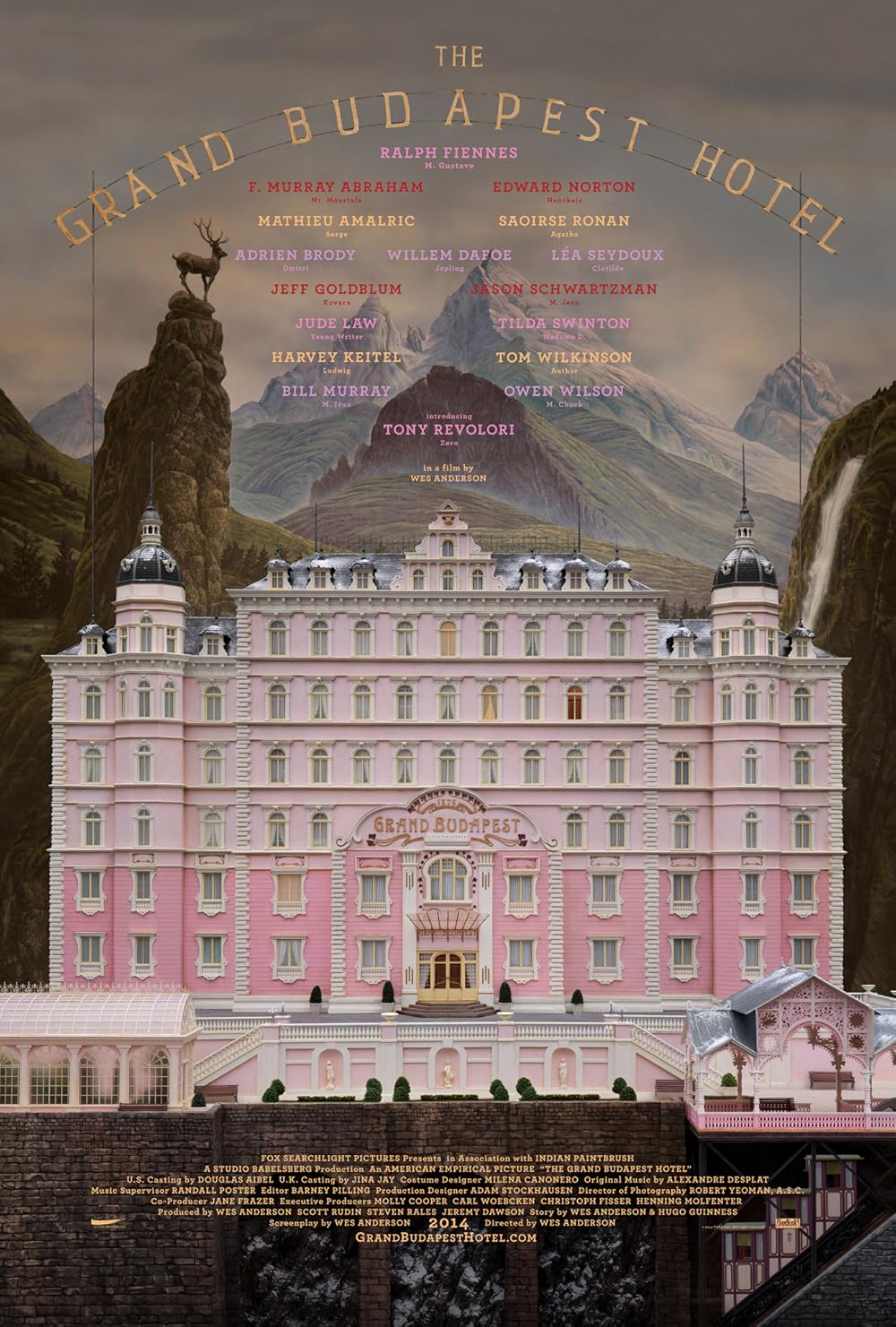
Wes Anderson is renowned for his signature style—a meticulous attention to detail, a vibrant color palette, and a deep-seated affection for the art of staging. When he set out to create the Grand Budapest Hotel, he was not merely directing a story; he was curating an environment. The hotel acts as a vessel for history, representing a lost era of elegance that exists somewhere between Germany and Austria.
A Master of Symmetry
The director’s obsession with symmetry is arguably the most identifiable feature of his work. In the film, every lobby shot, every elevator ride, and every exterior angle of the hotel is carefully measured to create a sense of balanced perfection. This architectural obsession mirrors the high standards of a legendary concierge, suggesting that the structure itself is an extension of the staff’s unwavering commitment to service and order.
The Influence of European Grandeur
The aesthetic of the hotel was heavily influenced by mid-century Central Europe. Anderson drew inspiration from the history of great European spas and mountain retreats. By synthesizing various architectural styles—including Art Nouveau and Art Deco—he created a space that feels both timeless and deeply nostalgic, appealing to the traveler who yearns for the grandeur of a bygone age.
The Architecture of Imagination
The physical manifestation of the Grand Budapest Hotel in the film is a clever illusion. While the film captures the essence of a sprawling mountain resort, the production was not filmed in a single existing hotel, but rather in a combination of locations and a highly detailed model.
The Görlitzer Warenhaus
Much of the interior filming took place in the Görlitzer Warenhaus in Görlitz, a stunning former department store in Saxony. The grand, vaulted ceilings and sweeping staircases provided the perfect canvas for the director to project his vision of a fading luxury destination. By repurposing an architectural gem, the production team was able to capture the authentic spirit of early 20th-century craftsmanship.

Miniature Mastery
For the wide, sweeping exterior shots of the hotel perched high on a snowy cliffside, the director utilized intricate scale models. This choice was deliberate; it reinforced the “storybook” quality of the film. It allows the viewer to see the Grand Budapest Hotel not just as a business, but as a landmark—a solitary, majestic monument standing against the shifting tides of political and social change in Eastern Europe.
Luxury and the Art of Hospitality
Beyond the direction and cinematography, the film highlights the essence of what makes a hotel “grand.” It explores the delicate balance between the physical luxury of a property and the human service that defines the guest experience.
The Concierge as a Guardian
The character of M. Gustave, the legendary concierge, is the beating heart of the establishment. He represents an era where hospitality was treated as a high art form. For travelers visiting iconic establishments like the Hotel Sacher in Vienna or the Badrutt’s Palace Hotel in St Moritz, the film resonates because it captures the intangible quality of dedicated service. The director emphasizes that true luxury is not just found in the ornate decor or the high-thread-count linens; it is found in the meticulous care and the anticipation of a guest’s every need.
The Hotel as a Microcosm of Society
The Grand Budapest Hotel serves as a microcosm for the world at large. Throughout the story, the hotel transitions from a bastion of peace and civility into a place affected by the encroaching shadows of war. This transformation highlights the role of hotels as neutral grounds—places where people from all walks of life converge, share space, and briefly inhabit a common world before moving on. The director uses the hotel to comment on how history is often written in the lobbies and dining rooms of our most storied landmarks.
Why the Film Still Matters to Travelers
Today, the Grand Budapest Hotel remains a benchmark for the travel industry’s interest in “cinematic tourism.” It invites viewers to dream of a type of travel that is slower, more deliberate, and deeply romanticized.
The Allure of Heritage Properties
Travelers are increasingly drawn to heritage properties that tell a story. Whether it is the history of a converted palace in Italy or the colonial charm of a grand dame hotel in India, the public’s appetite for places with a distinct “soul” has never been higher. Wes Anderson understood this desire and crafted a visual language that has inspired a generation of interior designers and hoteliers to embrace bold colors, symmetry, and historical references in their own projects.

A Legacy in Hospitality
Ultimately, the director’s contribution to the legacy of the hotel experience is his ability to elevate a building into an icon. Even though the Grand Budapest Hotel is fictional, it feels as real as any landmark in Paris or London. It reminds us that hotels are not merely places to sleep; they are theaters of human experience, settings for our most memorable chapters, and enduring symbols of the places we call home while we are away.
By understanding that Wes Anderson was the architect of this cinematic dream, one gains a deeper appreciation for the art of the travel experience. The film remains a testament to the idea that with enough care, vision, and attention to detail, a simple structure—or a simple story—can be transformed into something truly legendary.
LifeOutOfTheBox is a participant in the Amazon Services LLC Associates Program, an affiliate advertising program designed to provide a means for sites to earn advertising fees by advertising and linking to Amazon.com. Amazon, the Amazon logo, AmazonSupply, and the AmazonSupply logo are trademarks of Amazon.com, Inc. or its affiliates. As an Amazon Associate we earn affiliate commissions from qualifying purchases.