
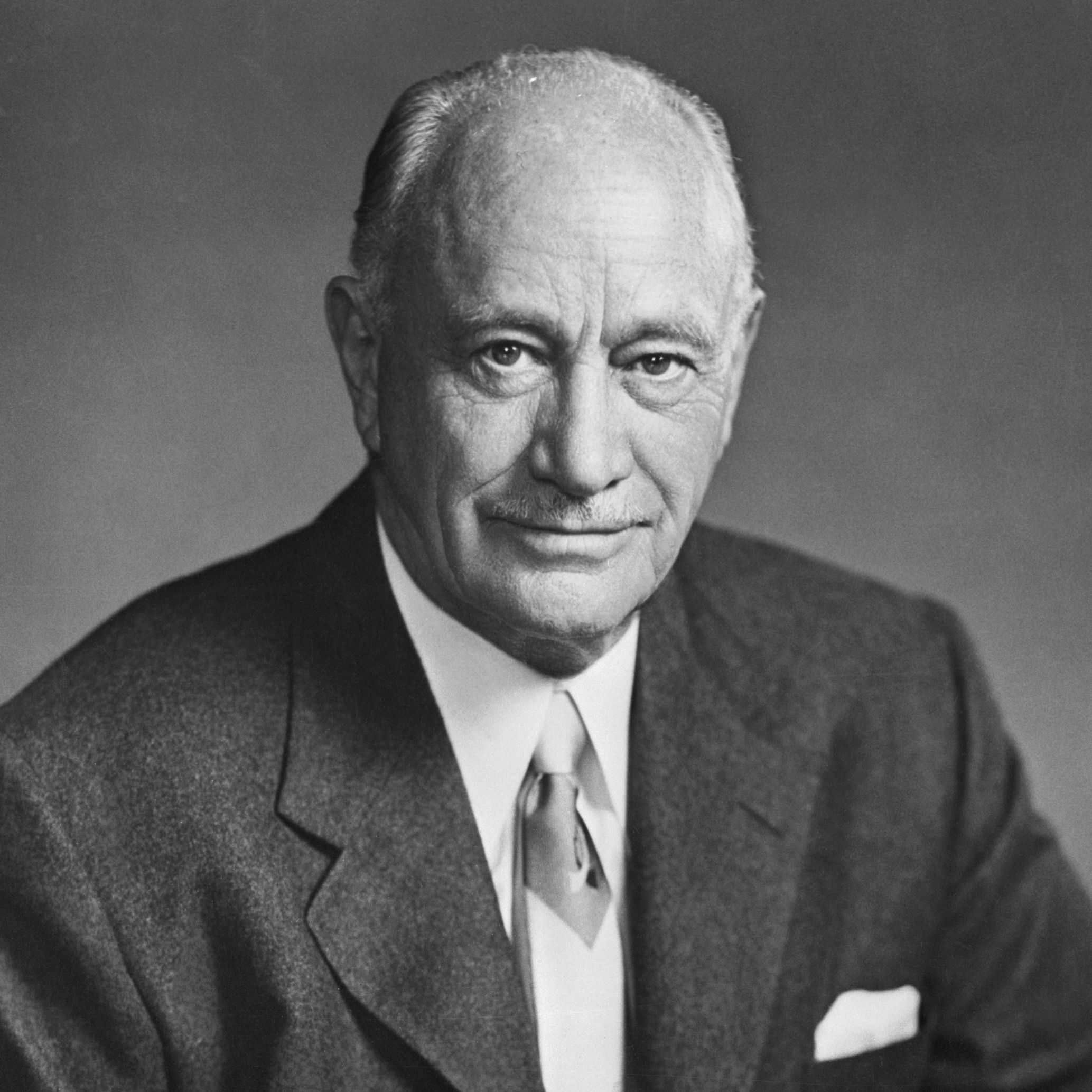
The history of the modern hospitality industry is inextricably linked to the visionary ambition of one man: Conrad Hilton. While today the Hilton Hotels brand is a global titan synonymous with luxury, reliability, and business travel, its origins were remarkably humble, rooted in the dusty landscapes of early 20th-century New Mexico. Understanding the founding of this empire requires a deep dive into the personality of a man who viewed the hotel business not merely as a real estate venture, but as a vehicle for international peace and prosperity.
The Formative Years: From General Store to Lodging
Long before the gleaming glass towers of New York City or the exotic resorts of Hawaii defined the brand, Conrad Hilton was simply a young man working in his father’s general store. Born in San Antonio, Texas, in 1887, Hilton learned the fundamental principles of commerce early on. His father, Augustus Hilton, often rented out rooms in the family home to traveling salesmen, an early exposure to the transient nature of the lodging business that would later spark a career.
The Mobley Hotel: The Spark of an Empire
In 1919, after serving in World War I, Hilton arrived in Cisco, Texas, with the intention of buying a bank. When that deal fell through, he found himself standing in the lobby of the Mobley Hotel. He observed a line of oil workers waiting for rooms, desperate for a place to sleep. Recognizing a massive supply-and-demand imbalance, he purchased the property instead of the bank. This single transaction marked the official birth of the Hilton legacy. Hilton did not just provide a bed; he maximized the property’s utility by renting rooms in shifts to oil workers, demonstrating the innovative financial acumen that would characterize his future expansions.
Expansion and the Great Depression
Following the success in Cisco, Hilton began an aggressive acquisition strategy. He realized that the key to growth was not necessarily in building from the ground up, but in acquiring existing properties that were underperforming and streamlining their operations.
Navigating Economic Turbulence
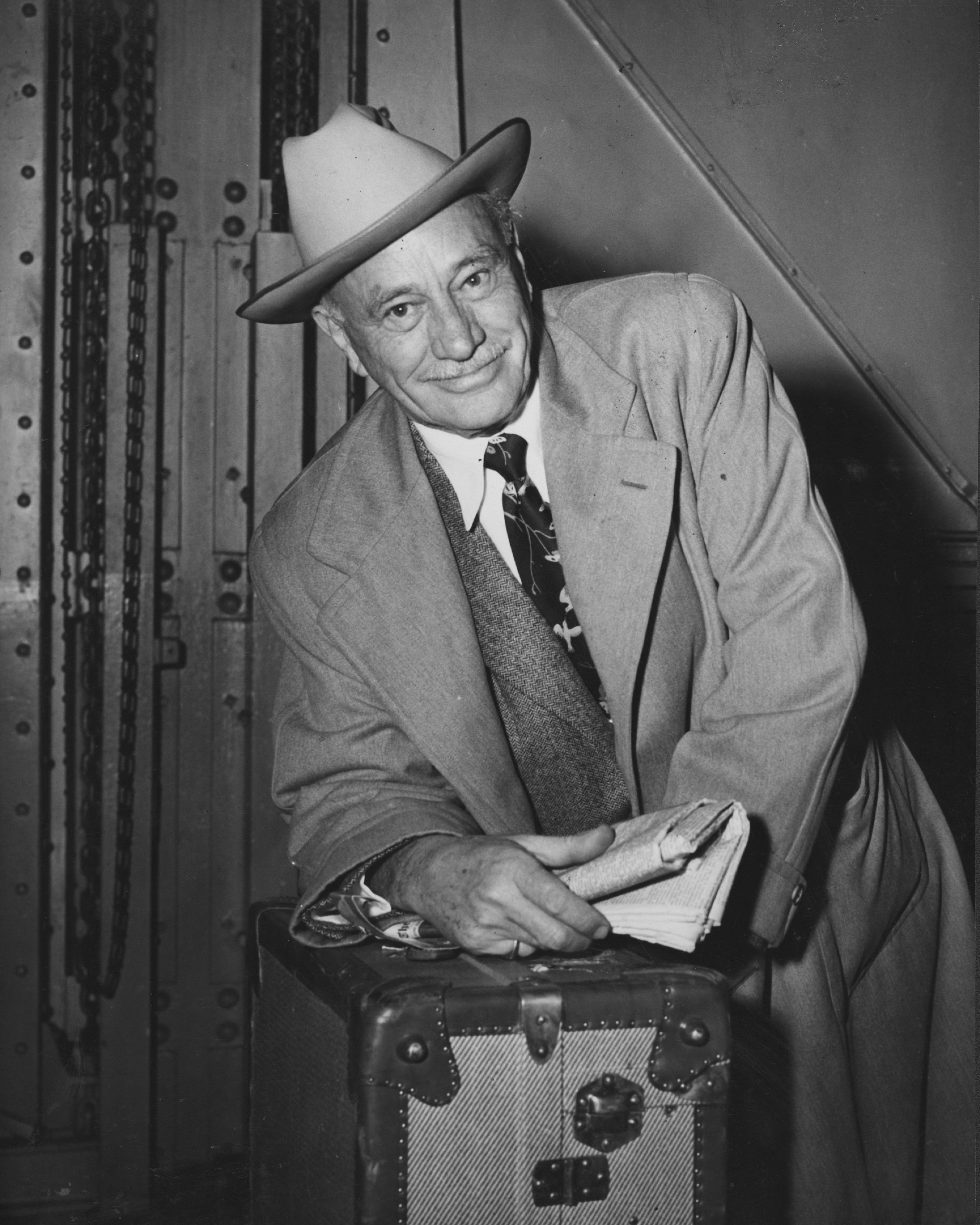
The 1930s proved to be the ultimate test for the burgeoning hotelier. During the Great Depression, many hotels went bankrupt. Hilton’s portfolio was not immune, and at one point, he famously struggled to keep his properties solvent. Yet, his resilience led him to reacquire many of the hotels he had lost through sheer persistence and meticulous renegotiation. This period taught him the value of liquidity and the importance of having a robust corporate structure that could weather the cyclical nature of the global economy. By the time the economy began to rebound, he had positioned his company to acquire high-profile assets that would eventually define the landscape of American hospitality.
Building a Global Hospitality Icon
As the mid-20th century approached, the Hilton Hotels brand began to transition from a regional chain of hotels in the United States to a truly international presence. The shift was driven by the post-war boom and the rising popularity of commercial air travel.
The International Expansion Strategy
Conrad Hilton famously believed that “world peace through international trade and travel” was achievable. To realize this, he established Hilton International, which began opening properties in major capitals around the world. The Caribe Hilton in San Juan, Puerto Rico, opened in 1949 and served as the blueprint for his international strategy. It was the first hotel built by an American company outside the U.S. following the war. By bringing the comfort and standardization of American hotel management to foreign markets, Hilton revolutionized how people traveled. From the Waldorf Astoria in New York City to landmark properties in London, Paris, and Tokyo, the Hilton name became a hallmark of safety and consistency for the global traveler.
Innovation and Legacy: Defining the Modern Hotel Experience
It is impossible to discuss the history of Hilton without acknowledging the innovations that have become standard in the industry today. Hilton was a pioneer in creating a “brand” experience, where a guest knew exactly what to expect regardless of their location.
Amenities and The Hilton Standard
Before the rise of the large-scale hotel chain, travelers were largely reliant on independent, non-standardized inns. Conrad Hilton introduced the concept of the “hotel as a complete system.” This included:
- The Modern Amenities: Standardization of air conditioning, high-speed elevators, and reliable telephone systems within rooms.
- The Business Center: Recognizing that business travelers needed secretarial services and reliable communication, Hilton pioneered integrated business facilities within hotels.
- Customer Loyalty: The concept of rewarding repeat guests, which paved the way for modern loyalty programs such as Hilton Honors.
Beyond the physical hardware, Hilton focused on the service culture. He believed that the staff was the most important element of the hotel experience. This philosophy of “hospitality above all” permeated the corporate culture and ensured that the brand could scale without losing its identity. Even after his passing in 1979, the principles he established—efficiency, reliability, and an unwavering commitment to the guest experience—remain the bedrock of the company.
A Lasting Cultural Impact
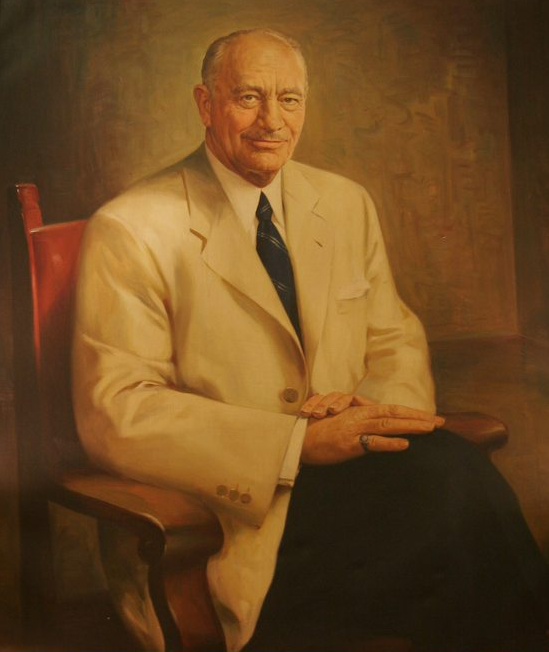
Today, the legacy of Conrad Hilton is felt in every city that boasts a major Hilton property. Whether it is a Hampton Inn for a budget-conscious traveler or the luxury of a Conrad Hotels resort, the foundational DNA of the brand remains the same. The founder’s journey from a small, dusty hotel in Texas to a global network spanning nearly every continent is a testament to the idea that with the right combination of vision, timing, and operational discipline, an industry can be transformed.
Hilton Hotels stands as a monument to the American dream, proving that through consistent innovation, the hospitality industry could foster connection across borders. As travelers continue to traverse the globe, the name Hilton serves as a constant reminder of the man who looked at a line of travelers in the Mobley Hotel and saw not just a transient need, but the future of global tourism. His story remains a vital chapter in the history of travel, teaching us that the roots of world-class service are often found in the simplest, most human moments of connection.
LifeOutOfTheBox is a participant in the Amazon Services LLC Associates Program, an affiliate advertising program designed to provide a means for sites to earn advertising fees by advertising and linking to Amazon.com. Amazon, the Amazon logo, AmazonSupply, and the AmazonSupply logo are trademarks of Amazon.com, Inc. or its affiliates. As an Amazon Associate we earn affiliate commissions from qualifying purchases.