
Navigating the complex landscape of hotel pricing can often feel like deciphering a secret code. Among the various discounts available—from AAA memberships to senior citizen perks—the “government rate” remains one of the most coveted, yet frequently misunderstood, benefits in the lodging industry. For those who qualify, these rates can offer significant savings on Accommodation, often providing flexibility and value that standard public rates simply cannot match. Understanding who is eligible and how to secure these rates is essential for public servants, military personnel, and contractors alike.
Defining the Government Rate
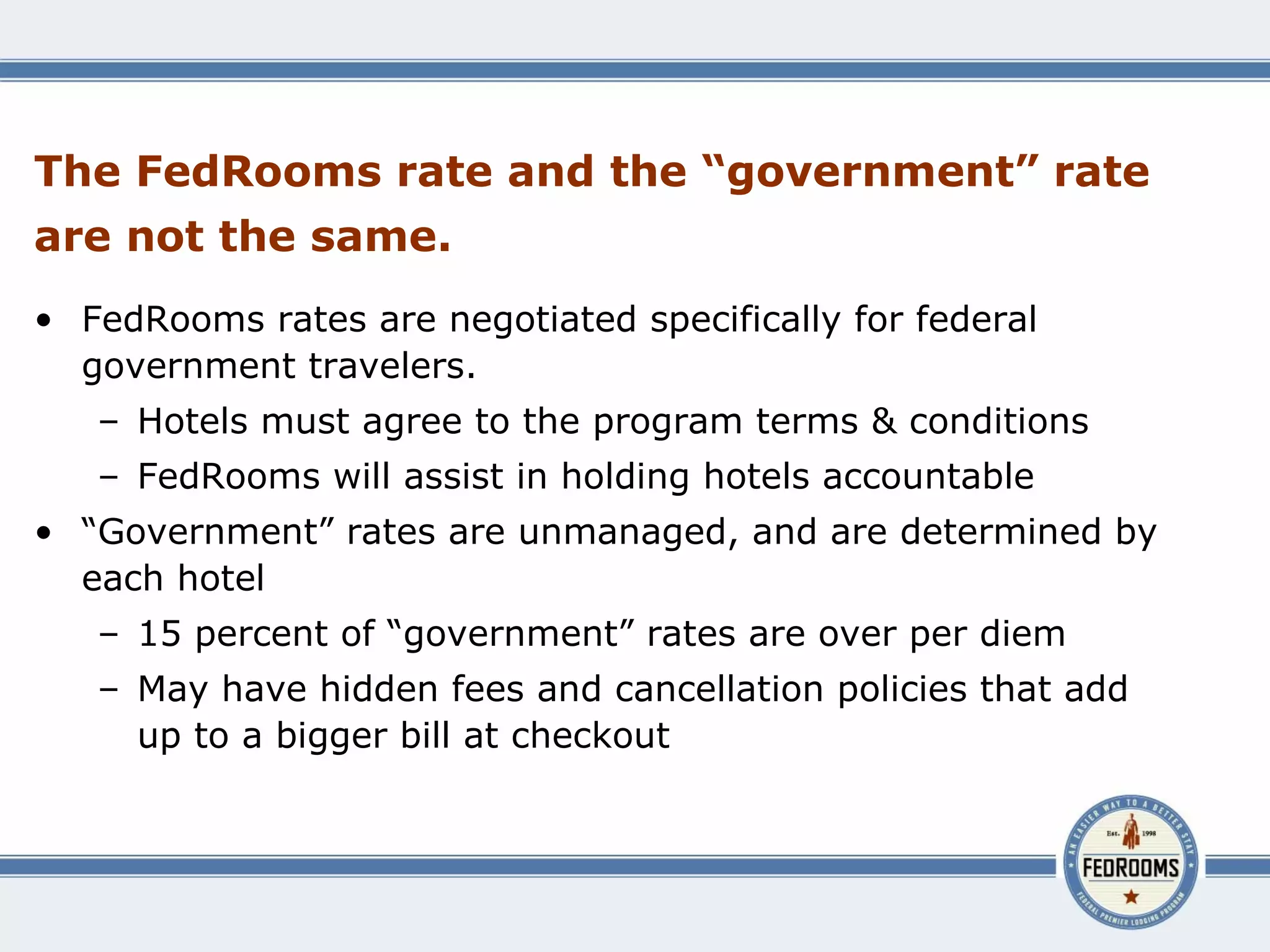
At its core, a government rate is a negotiated or set price offered by hotels to individuals traveling on official government business. These rates are generally subject to per diem guidelines, which are daily allowances set by government bodies to cover lodging, meals, and incidental expenses. While many travelers assume these rates are available to anyone with a government connection, the reality is much more nuanced.

Official Business vs. Leisure Travel
The primary distinction in eligibility hinges on the purpose of the trip. The vast majority of government-specific hotel discounts are reserved strictly for official government business. This means the traveler must be performing duties on behalf of their agency or department. However, some hotel chains and individual properties extend “government leisure” rates, which allow personnel to book rooms at reduced prices even when traveling for personal reasons. Understanding which category applies is the first step in avoiding booking errors.
The Role of Per Diem
In the United States, the General Services Administration (GSA) establishes per diem rates for locations across the country. Hotels participating in government rate programs often align their pricing with these benchmarks. When booking, savvy travelers check the current GSA maximums for cities like Washington DC or Denver to ensure their chosen accommodation falls within acceptable budgetary parameters.
Primary Eligibility Groups
Eligibility for government rates typically falls into a few well-defined buckets. While policies vary by brand—such as Marriott International, Hilton Worldwide, or IHG Hotels and Resorts—most major players recognize the following groups.
Federal, State, and Local Employees
Full-time employees of federal agencies are the most common beneficiaries of these rates. This includes civilian staff working for the Department of Defense, the Department of State, and various regulatory bodies. Additionally, state and municipal employees—including educators, police officers, and firefighters—are frequently eligible, provided they can present valid government-issued photo identification upon check-in.
Active Duty Military and Veterans
Members of the United States Armed Forces, including the Army, Navy, Air Force, Marine Corps, and Coast Guard, are primary candidates for government rates. Many properties extend these benefits to retirees and, in some cases, military family members. Whether stationed at a base in San Diego or traveling for training in Texas, service members should always inquire about these specialized rates during the reservation process.
Government Contractors
A frequent point of confusion involves government contractors. While contractors working on behalf of the government are often authorized to use government rates, they must be traveling on official business. It is standard practice for the hotel to require a copy of the contract or a letter of authorization from the sponsoring government agency to verify that the travel is indeed official.
Best Practices for Booking and Verification
Securing a government rate is not as simple as checking a box on a travel website. Because these rates are restricted, hotels employ strict verification protocols to prevent unauthorized use.
Documentation Requirements
Regardless of your status, you should always arrive at the hotel prepared to prove your eligibility. This usually entails:
- Government-issued Identification: A CAC (Common Access Card), agency-issued ID, or a badge from a state or local office.
- Travel Orders: Official paperwork detailing the purpose, dates, and authorization of the trip.
- Business Identification: For contractors, a business card or signed documentation from the government agency confirming the nature of the project.
Failure to produce these items can lead to a “rate adjustment” at the front desk, where the hotel will strip the government discount and charge you the standard public rate, which is almost always higher.
Booking Through Official Channels
To guarantee the best results, use official portals. Many government agencies utilize designated travel management systems, such as Concur Government Edition. Booking through these portals ensures that the reservation is coded correctly, the per diem is honored, and tax-exempt statuses (where applicable) are properly applied. If booking directly with a hotel brand like Hyatt Hotels Corporation, ensure you select the “Government/Military” rate category explicitly.
Understanding Tax Exemptions
One of the most significant advantages of traveling on official government business is the possibility of tax exemption. In many jurisdictions, government employees are exempt from paying state or local occupancy taxes. However, this is not universal. Some states require a specific tax-exempt form to be completed in advance, while others may require payment via a government-issued credit card to trigger the exemption. Always research the tax laws of your destination—whether you are traveling to Florida or New York—to maximize your savings.
When the Rate is Not Available
There are instances where, despite your eligibility, a government rate may not be available. Hotels have a limited inventory of “government rate” rooms. Once those rooms are sold out for a specific night, the discount is no longer available, regardless of your professional status.
Planning During Peak Season
If you are traveling to a popular destination like Las Vegas or New Orleans during a major convention or holiday, government rate inventory will likely vanish quickly. In these scenarios, it is imperative to book as far in advance as possible. If the government rate is unavailable, consider looking for properties slightly outside the primary city center or searching for properties that have not yet reached their government occupancy quota.

Alternative Discounts
If the government rate is unavailable, do not assume you must pay the full retail price. Many properties offer significant discounts for other affiliations that you might qualify for, such as:
- AARP Membership: Often provides rates comparable to government discounts for travelers over 50.
- Corporate Rates: If you are a contractor, your employer may have negotiated specific rates with hotel chains.
- Loyalty Programs: Being a member of a program like Wyndham Rewards or Choice Hotels can unlock member-only pricing that may be as competitive as government rates.
Ultimately, the government rate is a privilege designed to support those who serve the public interest. By understanding the criteria, carrying the necessary documentation, and utilizing official booking channels, eligible travelers can ensure their lodging expenses remain well within professional guidelines. Always verify with the specific property before arrival to ensure a smooth check-in process and a comfortable stay.
LifeOutOfTheBox is a participant in the Amazon Services LLC Associates Program, an affiliate advertising program designed to provide a means for sites to earn advertising fees by advertising and linking to Amazon.com. Amazon, the Amazon logo, AmazonSupply, and the AmazonSupply logo are trademarks of Amazon.com, Inc. or its affiliates. As an Amazon Associate we earn affiliate commissions from qualifying purchases.