
When travelers book a stay at an InterContinental Hotel, they are often looking for a specific blend of luxury, reliability, and global consistency. The brand has become synonymous with high-end hospitality across major cities worldwide, from the bustling streets of New York to the historic canals of Venice. However, the structure of ownership behind such a massive hospitality empire is often more complex than guests realize. Unlike a small, family-run boutique inn, the InterContinental Hotel Group, commonly known as IHG, operates on a sophisticated model that separates the brand management from the physical property ownership.

Understanding the IHG Corporate Structure
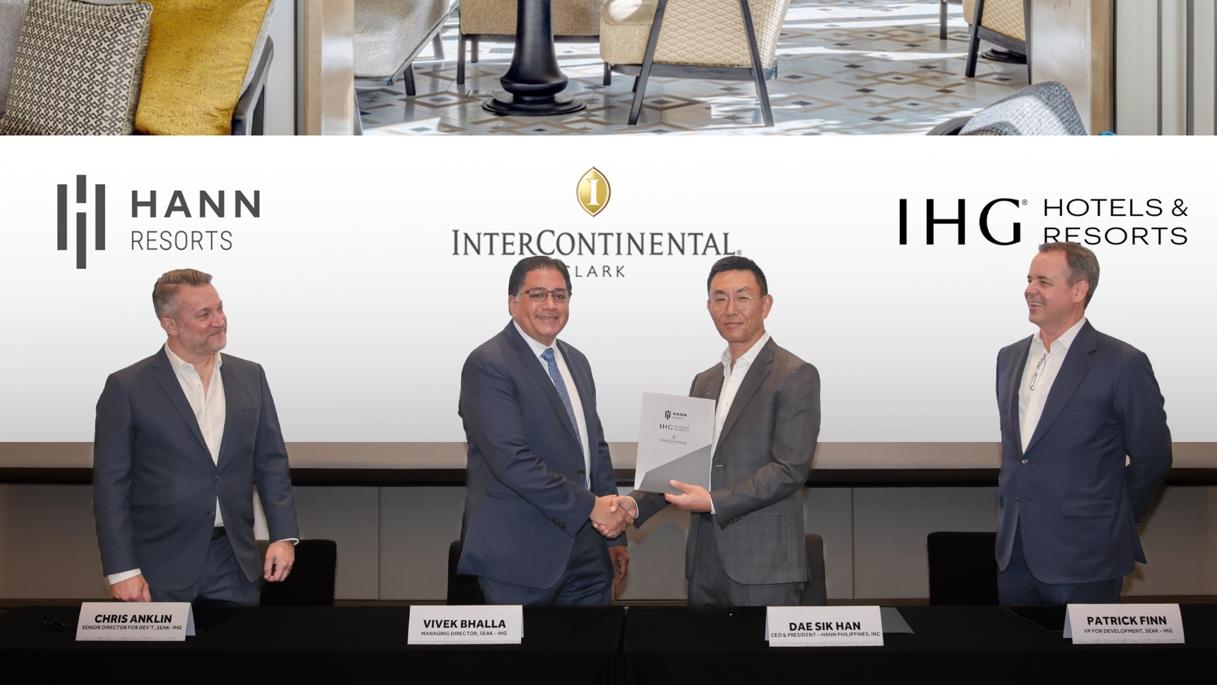
To answer the question of ownership, one must first distinguish between the company that manages the brand and the entities that own the bricks and mortar of the buildings themselves. IHG Hotels and Resorts is a publicly traded company listed on the London Stock Exchange and the New York Stock Exchange. As a corporate entity, it does not typically own the vast majority of the hotels that bear its name.
The Franchising and Management Model
The primary business model of IHG is asset-light. This means the corporation focuses on licensing its brand, providing central reservation systems, offering global marketing support, and setting the service standards that define the guest experience.
In this model:
- Franchise Agreements: A local real estate developer or a private equity group builds or purchases a hotel and pays IHG a fee to operate under the InterContinental banner.
- Managed Properties: In some instances, the property owner hires IHG to manage the day-to-day operations, including staffing, food and beverage, and maintenance, in exchange for a management fee and a percentage of revenue.
This structure allows the brand to scale rapidly across diverse markets like Dubai, Singapore, and London without the massive capital expenditure required to own every building.
The Reality of Property Ownership
Because the brand is a management and franchising company, the actual owners of the InterContinental Hotels are incredibly diverse. They range from individual high-net-worth investors and real estate investment trusts (REITs) to sovereign wealth funds and global hospitality holding companies.
Who Are the Actual Landlords?
The owners of specific properties are often invisible to the average guest checking in for a weekend getaway. For example, a landmark property like the InterContinental London Park Lane may be owned by a large institutional investor or a specialized hotel asset management firm, while a property in Miami might be owned by a group focused on commercial real estate in the United States.

By shifting the financial burden of property ownership to these third-party investors, the InterContinental Hotels Group is able to focus its resources on technology, loyalty programs like IHG One Rewards, and the global expansion of its luxury portfolio. This explains why, despite having a singular brand identity, the guest experience can occasionally vary slightly based on the quality standards upheld by the specific property owner, even while adhering to the core IHG brand promise.
Why This Ownership Model Matters to Guests
For the discerning traveler, understanding this ownership model provides insight into why some hotels feel like modern, renovated marvels while others lean into their historic charm. When you walk into an InterContinental Hotel in Paris or Tokyo, you are experiencing the synergy between a global brand standards and the investment strategy of the property owner.
Consistency Through Standards
Despite having hundreds of different owners globally, IHG enforces rigorous quality assurance. This includes:
- Uniformity in Amenities: Ensuring that the bedding, toiletries, and high-end concierge services meet a consistent global threshold.
- Loyalty Integration: Regardless of who owns the physical hotel, your status and points benefits within the IHG ecosystem remain portable and honored.
- Digital Experience: The mobile app, check-in processes, and booking platforms are centralized, meaning the owner’s identity never disrupts the guest’s digital convenience.
The Influence of Private Equity
In recent years, large private equity firms have become increasingly involved in the hospitality sector, purchasing InterContinental properties as long-term yield assets. These owners are typically interested in the steady cash flow provided by business travelers and luxury tourists. Because these investors rely on the IHG brand power to drive occupancy, they are incentivized to invest in renovations and facility upgrades, which ultimately benefits the guest.
The Evolution of the InterContinental Brand
The InterContinental brand has a long history, dating back to 1946 when it was founded by Juan Trippe, the head of Pan American Airways. His vision was to build high-quality hotels in countries where Pan Am was establishing new flight routes, particularly across Latin America.
Historical Roots and Modern Expansion
From its origins as an aviation-linked hospitality venture to its current status as part of one of the world’s largest hotel companies, the InterContinental brand has constantly shifted its ownership profile. While it was once owned by Grand Metropolitan, a British conglomerate, it was eventually acquired by the company that would later become IHG.
Today, the brand focuses on “modern luxury,” targeting travelers who value sophistication and local cultural immersion. By remaining an operator rather than a landlord, the group ensures it can remain agile. If a property in a city like Sydney or Berlin stops performing, IHG has the flexibility to end its management agreement or franchise contract, ensuring the brand reputation remains untarnished by the financial failures of individual property owners.
Looking Toward the Future
As the travel industry continues to evolve, the distinction between brand managers and asset owners will likely become even more pronounced. New hotel concepts, sustainability initiatives, and the increasing demand for experiential luxury will dictate how properties are managed and sold in the future.
Whether you are staying at an InterContinental Hotel in Hong Kong or Cairo, it is the strength of the IHG network that ties these global landmarks together. While the individual owner might change, the commitment to providing a luxurious, seamless, and globally recognized guest experience remains the driving force of the brand. By understanding that the hotel you stay in is likely owned by an investment group rather than the brand itself, guests can better appreciate the complex machinery required to keep these icons of hospitality running in the world’s most desirable destinations.
LifeOutOfTheBox is a participant in the Amazon Services LLC Associates Program, an affiliate advertising program designed to provide a means for sites to earn advertising fees by advertising and linking to Amazon.com. Amazon, the Amazon logo, AmazonSupply, and the AmazonSupply logo are trademarks of Amazon.com, Inc. or its affiliates. As an Amazon Associate we earn affiliate commissions from qualifying purchases.