
The Hard Rock Hotel and Casino brand stands as one of the most recognizable names in the hospitality and entertainment industry. Known for its eclectic blend of rock-and-roll memorabilia, high-energy casino floors, and luxury resort amenities, the brand has evolved significantly since its humble beginnings. Understanding who owns this global juggernaut requires looking at the complex corporate structure that dictates the trajectory of its various properties worldwide.
The Seminole Tribe of Florida: The Corporate Powerhouse
The primary force behind the Hard Rock International brand is the Seminole Tribe of Florida. In a landmark acquisition in 2007, the tribe purchased the Hard Rock business, including its worldwide trademarks and a vast collection of music memorabilia, from the British company Rank Group. This move was historic, marking the first time a major international gaming brand had been acquired by a federally recognized Native American tribe.

Strategic Expansion Under Tribal Ownership
Since the acquisition, the Seminole Tribe has transformed Hard Rock from a restaurant-centric brand into a massive global hospitality leader. They have invested billions into upgrading their physical assets, most notably the Seminole Hard Rock Hotel and Casino Hollywood in Florida. This property is home to the world’s first “Guitar Hotel,” a feat of engineering and architecture that has become an iconic landmark in South Florida.
Management and Global Vision
While the tribe holds ownership, the day-to-day operations are managed by a sophisticated corporate team. This team oversees the licensing and management of properties across North America, Europe, and Asia. The goal has been to maintain the “authentic” vibe of the original brand while scaling operations to compete with the largest luxury hotel groups in the world, such as Marriott International or Hilton Worldwide.
Distinctions in Property Ownership
It is essential to clarify that not every property bearing the Hard Rock name is owned directly by the Seminole Tribe of Florida. The company operates under a variety of business models that can sometimes lead to confusion for the average guest.
Owned Versus Managed Properties
- Company-Owned and Operated: These properties, such as the Seminole Hard Rock Hotel and Casino Tampa, are fully owned and managed by the Seminole Tribe and its subsidiaries. These locations reflect the brand’s core identity most accurately.
- Managed Properties: In many international markets, such as the Hard Rock Hotel London or various resorts in Mexico, the Hard Rock International entity provides the brand, the design specifications, and the management standards to third-party developers or real estate investors. In these cases, the bricks-and-mortar property belongs to a different entity, while the Hard Rock name serves as the operator and franchisor.
The Role of Real Estate Investment Trusts
In some instances, the physical buildings are owned by Real Estate Investment Trusts (REITs). These trusts own the assets and lease them to the Hard Rock operators. This allows the brand to expand into major tourist hubs like Las Vegas or Atlantic City without necessarily having to tie up capital in the purchase of the actual land and construction costs.
Evolution of the Las Vegas Market
A significant chapter in the ownership history involves the Hard Rock Hotel and Casino Las Vegas. For many years, this off-strip property was the flagship for the brand’s lifestyle identity. However, for a long period, it was not owned by the same company as the rest of the global Hard Rock empire.
The Change of Hands
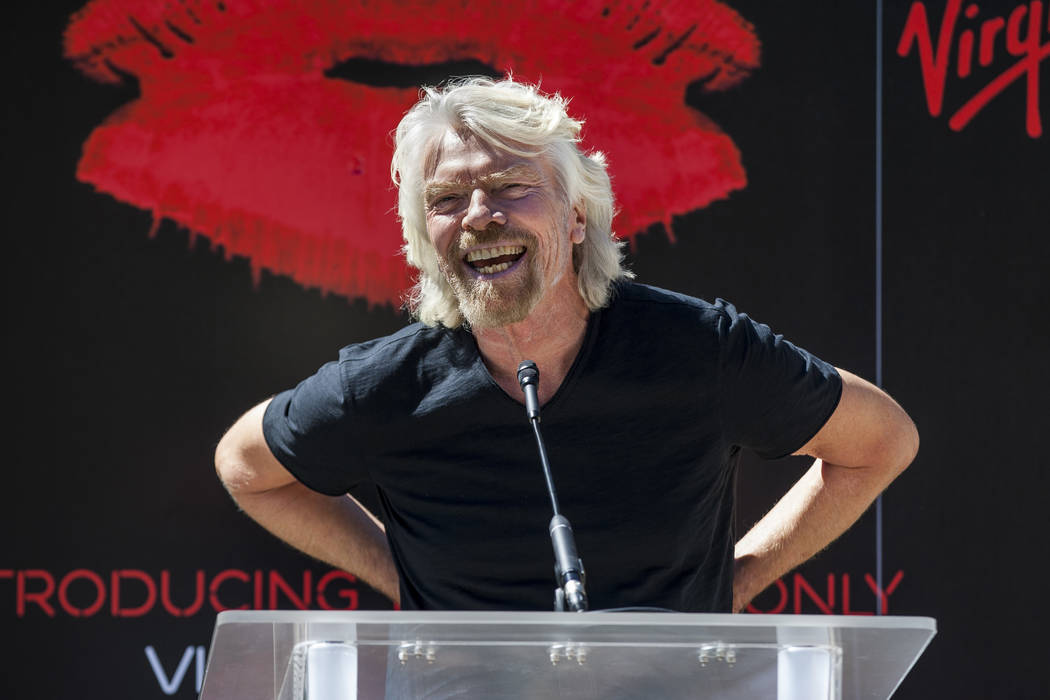
The original Las Vegas property underwent several changes in ownership, including being held by Brookfield Asset Management. Because the Seminole Tribe did not own the Las Vegas location, they eventually rebranded that property into the Virgin Hotels Las Vegas.
Re-entering the Las Vegas Strip
Not to be left out of the most famous gaming destination in the world, the Seminole Tribe of Florida eventually purchased the Mirage Hotel and Casino on the Las Vegas Strip. This acquisition signaled a major shift, as the company moved to rebrand this iconic Nevada location into a new, signature Hard Rock Hotel and Casino. This represents the first time the tribe has operated a major Las Vegas resort under their own direct ownership and branding.
The Future of the Brand
As the hospitality landscape shifts, ownership structures are becoming increasingly complex to ensure scalability. The Seminole Tribe of Florida has proven to be an agile operator, balancing the cultural preservation of their own heritage with the aggressive expansion of a global entertainment brand.
Digital Integration and Gaming
Beyond physical hotels, ownership of the Hard Rock brand now includes significant stakes in the digital gaming space. Hard Rock Digital represents the brand’s move into online sports betting and mobile gaming. This division is critical, as the modern Hard Rock customer expects a seamless experience that transitions from a physical Hard Rock Casino floor to a virtual platform.
Sustaining the Legacy
The core identity of Hard Rock—defined by music, memorabilia, and a rock-and-roll ethos—is protected by the Seminole Tribe. Whether you are visiting a Hard Rock Hotel in Bali or a Hard Rock Cafe in London, the ownership structure ensures a consistency of quality and theme. The transition from a simple restaurant chain founded in the 1970s to a Fortune 500 style hospitality giant is a testament to the business acumen of the current owners.
By maintaining ownership of both the brand identity and many of the key physical assets, the Seminole Tribe of Florida remains in full control of the Hard Rock narrative. This singular focus on brand integrity, combined with massive reinvestment into properties across United States and beyond, solidifies their position as one of the most successful owners in the global hospitality sector. As they continue to expand their Las Vegas presence and modernize their European assets, the Hard Rock name will likely remain synonymous with luxury travel and high-stakes entertainment for decades to come.
LifeOutOfTheBox is a participant in the Amazon Services LLC Associates Program, an affiliate advertising program designed to provide a means for sites to earn advertising fees by advertising and linking to Amazon.com. Amazon, the Amazon logo, AmazonSupply, and the AmazonSupply logo are trademarks of Amazon.com, Inc. or its affiliates. As an Amazon Associate we earn affiliate commissions from qualifying purchases.