
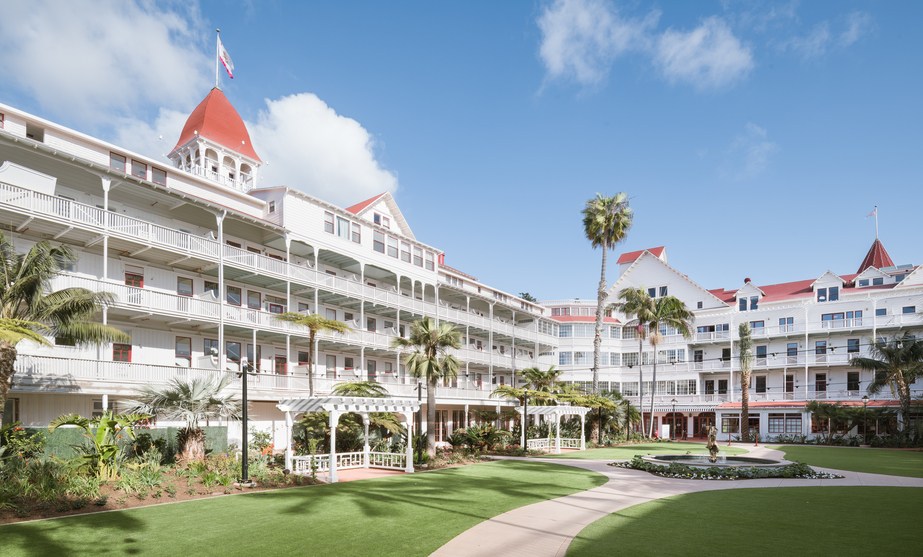
The Hotel Del Coronado is more than just a destination; it is an icon of the United States. Located on the sandy shores of Coronado Island, just across the bay from San Diego, this National Historic Landmark has served as a playground for presidents, royalty, and Hollywood legends for over a century. Yet, behind its signature red-turreted Victorian facade and sprawling seaside lawns, the ownership structure of this architectural masterpiece has undergone complex transformations over the decades, reflecting the shifting tides of the global hospitality industry.
A Legacy of Ownership and Visionary Beginnings
When the Hotel Del Coronado first opened its doors in 1888, it was the brainchild of Elisha Babcock and Hampton Story. These two visionaries saw potential in a desolate sand spit and transformed it into a world-class resort. In the early years, the hotel was managed as a private venture, setting a standard for luxury that defined the Victorian era.

As the decades progressed, the hotel transitioned through various ownership groups, ranging from private syndicates to institutional investors. The prestige of the property often meant that it remained a trophy asset, highly coveted by real estate developers and international hotel conglomerates alike. Understanding who owns the property requires a look at the current institutional landscape that manages some of the world’s most recognizable historical sites.
The Blackstone Group and Institutional Stewardship
In the modern era, the ownership of the Hotel Del Coronado has been characterized by large-scale institutional investment. For many years, the property was held under the umbrella of Blackstone Group, a global investment firm known for its significant real estate portfolio. Blackstone Group has long played a pivotal role in the hospitality sector, acquiring iconic resorts and implementing extensive renovation programs to modernize operations while preserving the historical integrity of their properties.
The Role of Strategic Capital
Under the stewardship of firms like Blackstone Group, the Hotel Del Coronado underwent a multi-million dollar restoration project. This included preserving the original wooden architecture, upgrading the guest amenities to meet 21st-century luxury standards, and expanding the resort’s footprint to include modern residential-style offerings like Beach Village at the Del. This institutional model of ownership focuses on maximizing the value of the asset through careful capital expenditure and brand positioning, ensuring the hotel remains relevant in a competitive luxury travel market.
The Hilton Portfolio and Operational Management
While ownership often resides with investment firms, the day-to-day operations and brand identity of such a property are frequently managed by major hospitality groups. The Hotel Del Coronado is currently part of the Curio Collection by Hilton.

This partnership is crucial to the visitor experience. Hilton Worldwide brings a sophisticated loyalty infrastructure, allowing guests to leverage the Hilton Honors program. For the average guest, the ownership structure is often transparent—what truly matters is the level of service, the maintenance of the historic grounds, and the operational excellence provided by the Hilton brand.
Operational Synergies
The partnership between the investment owners and the management brand is a common dynamic in the hospitality industry. The owner provides the capital and holds the title, while the management brand provides the expertise, human resources, and marketing power. By operating as a Curio Collection by Hilton, the Hotel Del Coronado maintains its unique, independent “story-driven” identity while benefiting from the global reach and rigorous standards of the Hilton network.
The Future of Iconic Landmarks
The ownership of historic properties like the Hotel Del Coronado is rarely static. As the global economy fluctuates and real estate investment strategies evolve, these properties remain primary targets for private equity and institutional investors. The key concern for locals, historians, and frequent guests is not necessarily the name on the deed, but the long-term commitment to preservation.
Balancing Luxury and Preservation
Maintaining a wooden Victorian structure requires specialized care. Future ownership groups must be willing to invest in the perpetual maintenance of the hotel’s historical features, including its iconic rotunda and the sprawling Crown Room. This often creates a tension between the need for commercial profitability and the responsibility of historical stewardship.
Recent developments at the Hotel Del Coronado, including the addition of the Shore House at the Del, demonstrate a trend toward creating multi-faceted resort experiences. By diversifying the types of accommodations available, ownership groups are able to cater to various market segments, from luxury families to business travelers and California staycationers. This diversification is essential to keeping a historic landmark financially viable in an era where travel trends shift rapidly.
Why Ownership Matters to the Guest
Ultimately, why should a guest care who owns a hotel? While the identity of the landlord may seem like a matter of corporate finance, it directly impacts the visitor experience. A property owned by a group committed to historical preservation will look, feel, and function differently than one owned by a group focused solely on short-term profit.
When you check into the Hotel Del Coronado, you are stepping into a narrative that spans generations. Whether it is the preservation of the lobby’s original cage elevator or the maintenance of the immaculate beachfront lawns, the influence of ownership is visible in every corner.
The current landscape of the hospitality industry—where institutional firms manage luxury assets and top-tier hotel brands provide operational oversight—has allowed the Hotel Del Coronado to survive the Great Depression, multiple world wars, and the fast-paced changes of the digital age. As long as the property remains a “trophy” in the eyes of its investors, it is likely that the Hotel Del Coronado will continue to serve as the jewel of Southern California, welcoming new generations of travelers to its storied halls.
For now, the Hotel Del Coronado remains a testament to the fact that while ownership may change, the soul of a landmark—provided it is treated with respect and investment—remains permanent. As a guest, the most important “ownership” of the Hotel Del Coronado is the shared sense of history held by everyone who walks through its doors, from the Pacific Ocean breeze to the glowing warmth of the Victorian-era timber. It is this collective appreciation that ultimately ensures its survival and its continued place at the summit of American hospitality.
LifeOutOfTheBox is a participant in the Amazon Services LLC Associates Program, an affiliate advertising program designed to provide a means for sites to earn advertising fees by advertising and linking to Amazon.com. Amazon, the Amazon logo, AmazonSupply, and the AmazonSupply logo are trademarks of Amazon.com, Inc. or its affiliates. As an Amazon Associate we earn affiliate commissions from qualifying purchases.