
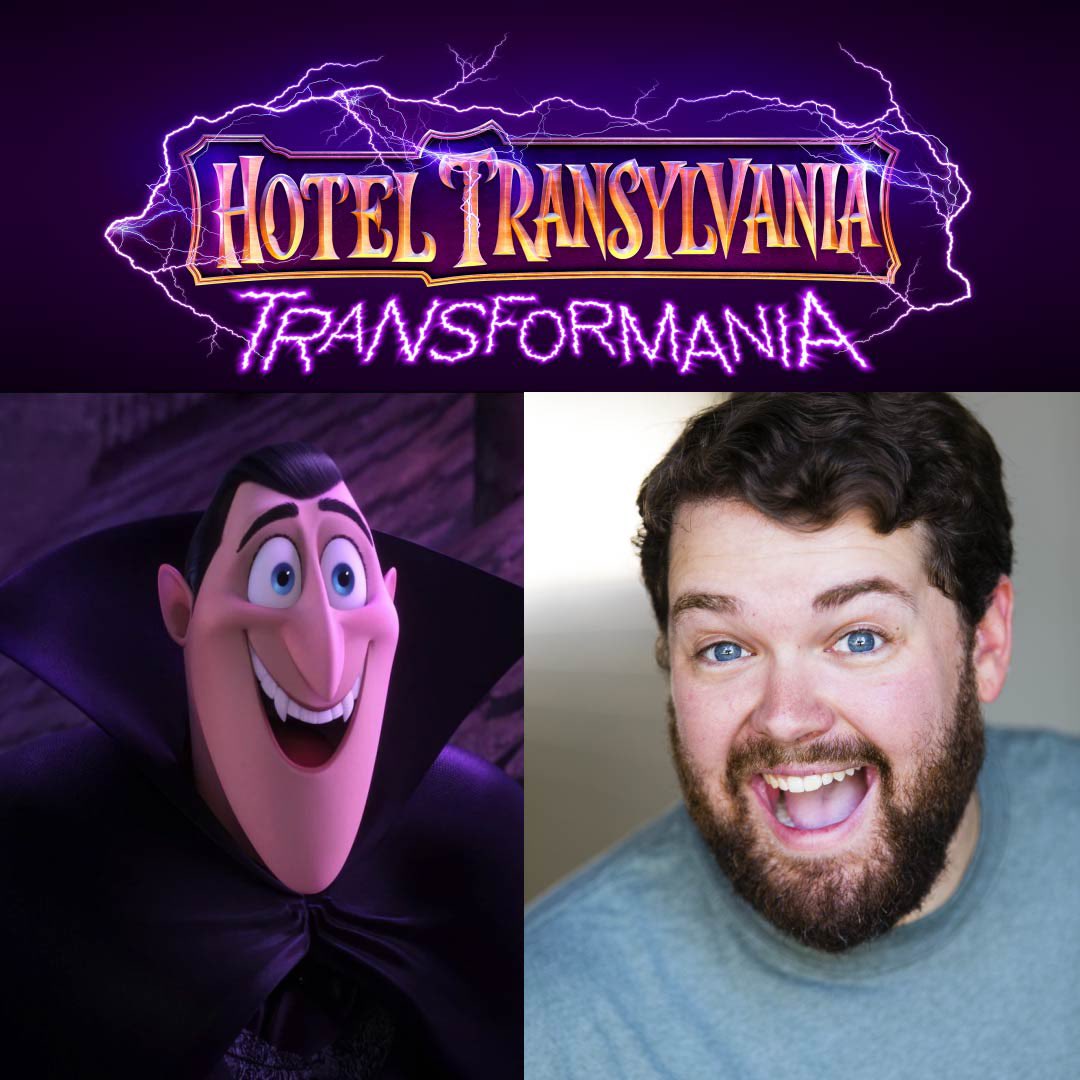
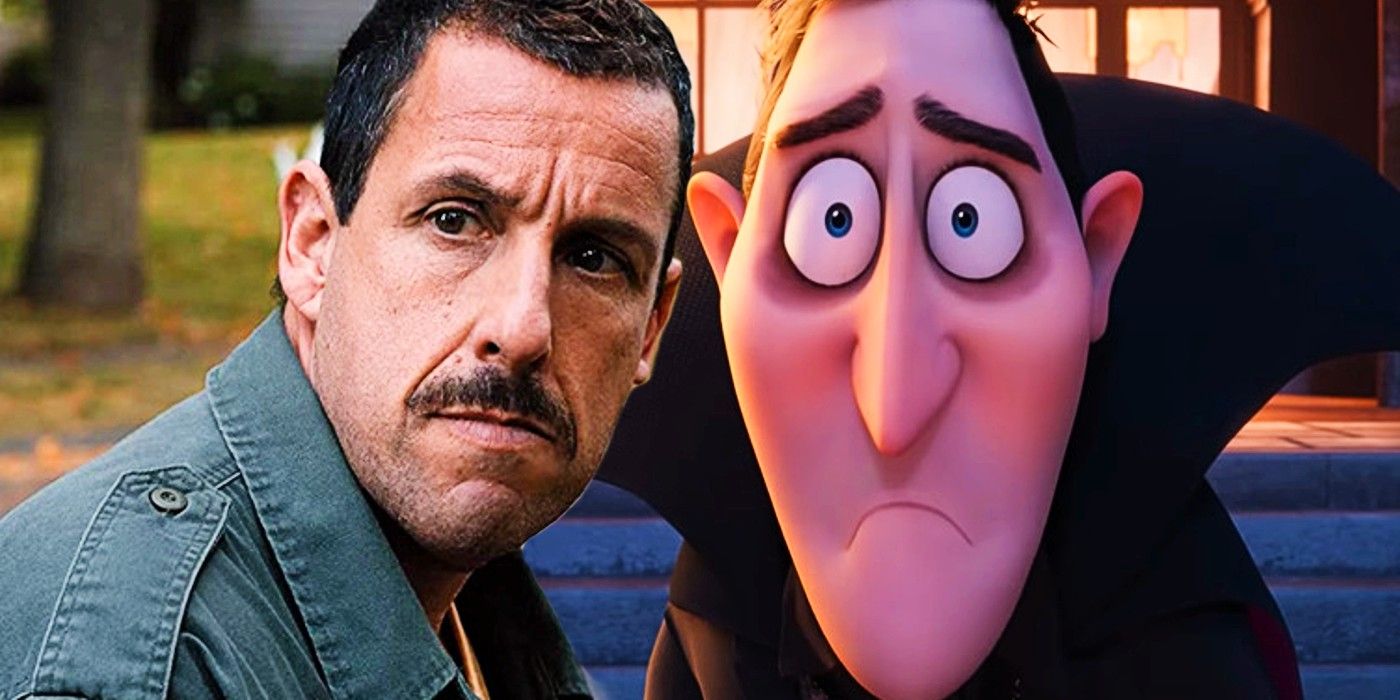
When families settle in for a movie night, few animated destinations are as iconic as the legendary Hotel Transylvania. While the film franchise explores the whimsical world of monsters, the titular resort itself serves as a masterclass in gothic hospitality, luxury creature comforts, and the high-stakes management of a five-star retreat for the undead. In the animated universe, the voice of the sharp-witted, overprotective Count Dracula is provided by the comedic legend Adam Sandler, whose performance brings a unique humanity to the legendary vampire host.
However, the allure of the resort extends far beyond its voice cast. It represents the ultimate fantasy for travelers who appreciate the architecture of the macabre and the logistical marvel of running an establishment in the remote mountains of Romania. Exploring the fictional hospitality standards of such a venue offers a fascinating lens through which to view real-world luxury accommodations that cater to guests looking for immersive, thematic, and historic experiences.
The Architecture of Elite Hospitality
The resort depicted in the film is not merely a haunted mansion; it is a meticulously managed facility designed for the specific needs of its high-profile clientele. Much like the world’s finest resorts in Las Vegas or the historical palaces of Europe, the Count’s establishment focuses on exclusivity, privacy, and tailored amenities.
Designing for the Undead
The structural integrity of a grand hotel requires a blend of aesthetic beauty and functional zoning. In the movie, the layout is expansive, featuring secret passageways, massive banquet halls, and, most importantly, impenetrable security. When luxury travelers book a stay at a historic landmark, such as the Waldorf Astoria or the Fairmont Le Chateau Frontenac, they are looking for that same sense of narrative immersion. They want an environment where the architecture tells a story—be it one of regal opulence or rugged mystery.
Logistics and Guest Services
Running a hotel that caters to werewolves, mummies, and invisible men is a logistical nightmare that mirrors the complexities of managing a sprawling resort like the Atlantis Paradise Island. The primary objective of the Count is guest safety and satisfaction. Whether providing dietary accommodations for a vampire or soundproofing for a party-loving werewolf family, the staff must be highly trained. For real-world hospitality managers, this translates to the importance of personalization. High-end resorts today are moving toward bespoke guest experiences, ensuring that every dietary preference, mobility requirement, or thematic request is handled with the precision of a legendary hotelier.
Drawing Inspiration from Historic Landmarks
While the resort in the film is fictional, its aesthetic is heavily rooted in the architectural traditions of Transylvania. Travelers who visit the real-world counterparts find themselves drawn to the same dark romanticism that makes the film so visually striking.
The Influence of Gothic Revival
The spires, stone gargoyles, and grand entryways seen in animated cinema are often inspired by actual historical sites such as Bran Castle. Known to many as the home of the legendary vampire, this landmark attracts thousands of tourists who wish to experience the intersection of history and folklore. Modern luxury hotels often incorporate these elements of “Dark Academia” into their design, creating an atmosphere that feels timeless and deeply rooted in a sense of place. When guests stay at a property that values its heritage, they aren’t just booking a room; they are checking into a living history book.
Remote Resorts and Seclusion
The charm of the cinematic resort lies in its isolation. It is a refuge from the human world, a place where monsters can be themselves without fear of judgment. This concept of the “sanctuary resort” is a growing trend in global tourism. Destinations that offer complete seclusion, such as private island retreats in the Maldives or mountain lodges in the Swiss Alps, provide the same allure as the Count’s fortress. Travelers are increasingly seeking out accommodations that function as “worlds within worlds,” where they can leave the stresses of everyday life behind in favor of a curated, immersive environment.
Defining the Modern Luxury Experience
The success of a hospitality venue, whether in animation or reality, is built on the foundation of the guest experience. Count Dracula’s commitment to his guests—even if it is driven by his desire to keep them away from the human world—is a masterclass in customer retention.
Personalized Hospitality
What truly makes a hotel stand out is the staff’s ability to anticipate needs before they are even voiced. In the industry, this is known as “anticipatory service.” Whether it is a hotel concierge in New York City arranging an exclusive reservation or the Count’s staff preparing a specific type of rare juice for his guests, the principle remains the same. The goal is to make the guest feel as though the entire facility was designed specifically for them.
Amenities that Transcend the Ordinary
A great hotel is defined by its amenities. From state-of-the-art spas and fine dining to unique entertainment offerings, the modern luxury hotel acts as a holistic destination. In the movie, the indoor pool, the ballroom, and the dining hall serve as hubs of socialization and recreation. This is a mirror to real-life resorts like the Burj Al Arab or The Plaza Hotel, where the physical space is designed to facilitate experiences that guests cannot find anywhere else. The integration of technology—even if it is supernatural technology—into the hotel infrastructure is what keeps these properties ahead of the curve.
Why We Are Drawn to Thematic Travel
The enduring popularity of the Hotel Transylvania films reflects our collective desire for escapism. We enjoy the idea of a place that is safe, luxurious, and entirely removed from the mundane. This is the primary driver of the themed hospitality sector, where hotels and resorts leverage unique stories to attract travelers who want more than just a place to sleep.
The Rise of Narrative-Driven Stays
Travelers today are looking for “storytelling” in their accommodation. They want a hotel with a personality, a history, or a distinct theme that elevates the trip. Whether it’s staying in a renovated Lighthouse in Ireland or a luxury treehouse in Costa Rica, the experience is amplified by the narrative context of the location.
Conclusion: The Legacy of the Host
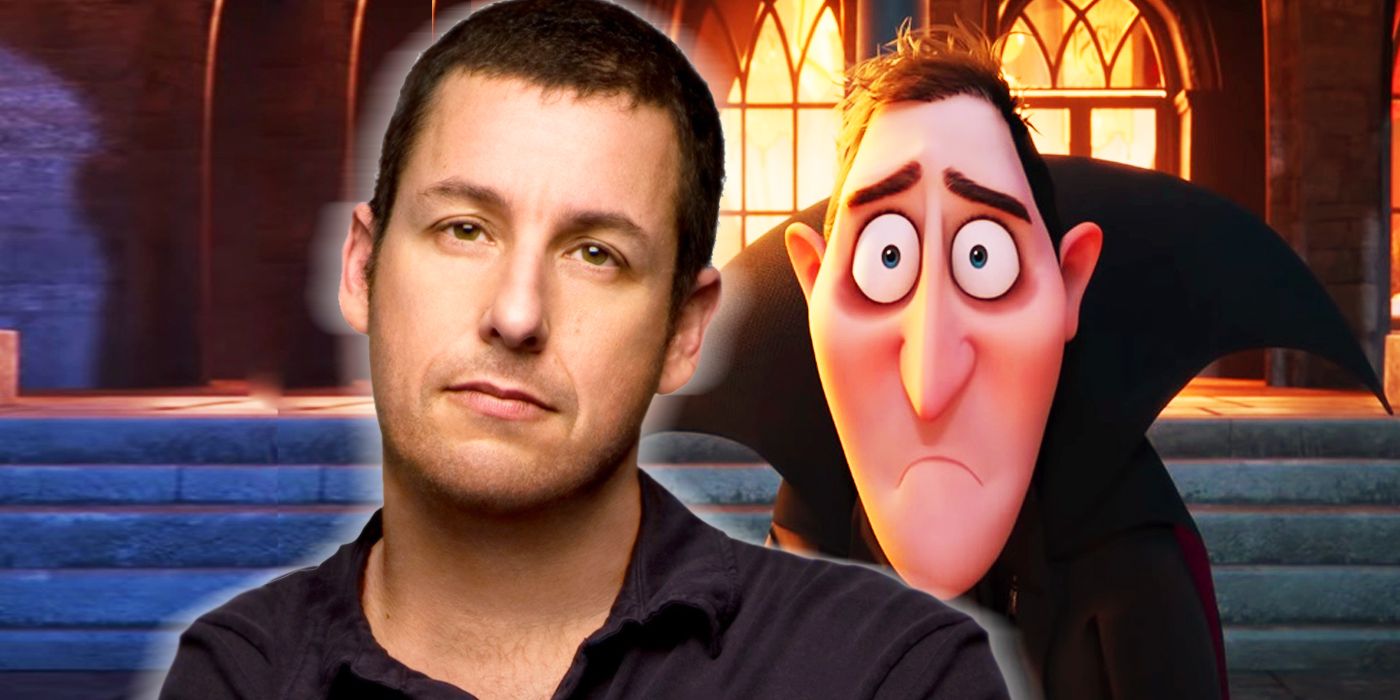
The voice of Dracula may be the spark that draws the audience in, but it is the setting—the grand, sprawling, and delightfully spooky resort—that keeps them coming back. Just as Adam Sandler provides the soul of the character, the hotel provides the soul of the story. In the world of high-end hospitality, this remains the ultimate goal: to provide a guest experience that is so memorable, so immersive, and so perfectly tailored to the individual that it takes on a life of its own. Whether through the lens of a classic animated tale or the reality of a five-star vacation, the importance of the hotel as a sanctuary of experience remains the gold standard in global tourism.
LifeOutOfTheBox is a participant in the Amazon Services LLC Associates Program, an affiliate advertising program designed to provide a means for sites to earn advertising fees by advertising and linking to Amazon.com. Amazon, the Amazon logo, AmazonSupply, and the AmazonSupply logo are trademarks of Amazon.com, Inc. or its affiliates. As an Amazon Associate we earn affiliate commissions from qualifying purchases.