
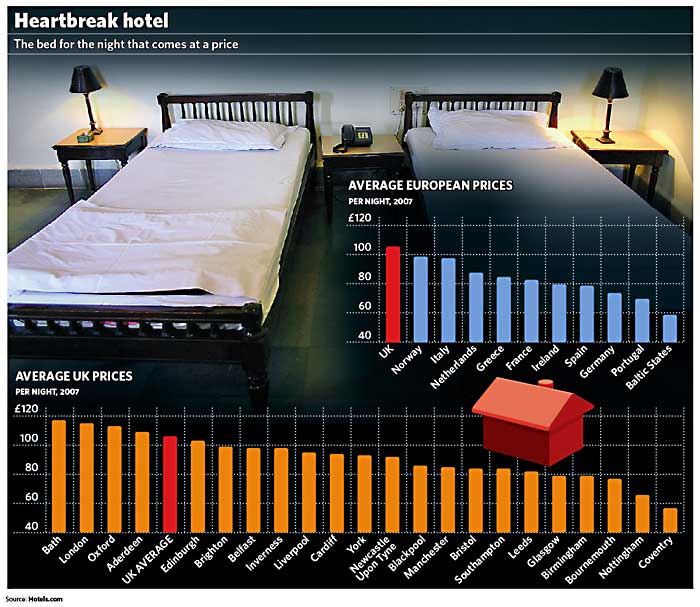
The modern traveler is often greeted by a jarring reality when clicking through booking portals: hotel rates that seem to have decoupled from logic. Whether you are planning a weekend getaway in New York City or a luxury escape to Bali, the price tags on accommodation have surged significantly since the turn of the decade. This isn’t merely a temporary fluctuation; it is the result of a complex interplay of post-pandemic economics, shifting labor markets, and a fundamental change in how the hospitality industry values its inventory.
The Post-Pandemic Correction and Pent-Up Demand
The initial shock of the global health crisis brought the travel industry to a standstill. As borders reopened, the surge in demand—often referred to as “revenge travel”—hit a supply chain that was woefully unprepared to ramp back up.
The Elasticity of Luxury and Mid-Range Rates
When travel demand exploded, hotels found themselves in a unique position. For years, the industry had focused on volume, but the sudden influx of guests allowed properties like the Four Seasons Resort to pivot toward a high-margin business model. By maintaining higher price points, hotels have discovered that they can achieve similar revenue targets with fewer guests, which reduces operational wear and tear.
Supply Constraints in Urban Hubs
In major metropolises like London or Paris, the pipeline for new hotel construction stalled significantly during the downturn. Financing became more expensive, and labor shortages in the construction sector delayed the opening of new properties. Because the supply of rooms has not expanded to meet the renewed appetite for travel, simple market dynamics dictate that prices must rise to clear the market.
The Rising Cost of Operational Excellence
While guests often focus on the room rate, the underlying operational costs have escalated in ways that the average consumer rarely sees on their folio. Running a hotel is an energy-intensive and labor-heavy business that has been disproportionately affected by inflationary pressures.
Labor Shortages and Wage Inflation
The hospitality industry faced a mass exodus of talent during the pandemic. To attract skilled housekeepers, front-desk staff, and managers back to properties like the Ritz-Carlton, brands have been forced to increase wages significantly. These labor costs are inherently “sticky,” meaning that once they rise, they are unlikely to fall. Consequently, these costs are passed directly to the guest to maintain profit margins.
The Energy and Utility Burden
Hotels are massive consumers of energy. From climate control in a desert oasis like Dubai to the continuous operation of laundry facilities and heated pools, utility bills have skyrocketed. Furthermore, the push for “green” initiatives—while essential for long-term sustainability—requires significant capital investment in retrofitting older buildings to meet modern environmental standards. Hotels are effectively amortizing these sustainability investments into their nightly rates.

The Revenue Management Revolution
If you have ever wondered why the price of a room at the Marriott International changes three times in a single afternoon, you are witnessing the power of sophisticated revenue management software.
Data-Driven Dynamic Pricing
Modern hotels no longer set “seasonal” rates. Instead, they employ artificial intelligence and machine learning algorithms that monitor everything from local concert schedules and sporting events to the booking patterns of their competitors. If a major event is announced in Tokyo, pricing algorithms immediately flag increased search interest and adjust rates upwards across the city. This granular level of yield management ensures that hotels capture the maximum possible “willingness to pay” from every segment of their guest list.
Unbundling and Ancillary Revenue
To keep base rates from appearing even higher, many properties have begun to unbundle their services. This is a tactic popularized by airlines. You might see a “base” rate that seems reasonable, only to find that amenities like high-speed Wi-Fi, fitness center access, and even early check-in are now subject to separate fees. This “resort fee” culture allows hotels to inflate their revenue without raising the headline room rate, making it harder for travelers to perform direct “apples-to-apples” comparisons during the booking process.
Shifting Consumer Behavior and Value Perception
The demographic of the modern traveler has also shifted the pricing landscape. There is a growing segment of travelers who prioritize “experiences” over “savings,” creating a market environment where high prices are less of a deterrent than they were in the past.
The Rise of “Bleisure” Travel
The blend of business and leisure—or “bleisure”—has transformed weekday travel patterns. Executives who extend their Los Angeles business trips into the weekend occupy hotel rooms that were historically cheaper during off-peak times. This blurring of the calendar has smoothed out the traditional “low season” in many cities, effectively removing the bargain-hunting window that savvy travelers once exploited.
The Impact of Luxury Branding
There is an increasing prestige associated with stays at iconic properties like the Hotel du Cap-Eden-Roc. As social media continues to drive the “Instagrammability” of travel, demand for ultra-luxury and boutique properties has decoupled from general economic trends. For these guests, the price is not a barrier; it is often perceived as a signal of quality, exclusivity, and status.
How Travelers Can Navigate the New Landscape
While the cost of travel has undeniably risen, there are still strategies to mitigate the impact. Booking directly with major groups like Hilton Worldwide often unlocks loyalty member rates that are not available on third-party aggregators. Furthermore, shifting travel dates by even 48 hours—often just avoiding a Friday or Saturday night stay—can result in significant savings.
Ultimately, the current era of expensive hotels is a manifestation of an industry that is recalibrating. As technology becomes more entrenched in how rooms are sold and as the global middle class continues to grow, the days of finding ultra-cheap luxury accommodation may be behind us. The savvy traveler must now view hotel booking as a strategic decision, requiring as much research and planning as the flights themselves. Understanding the “why” behind these prices is the first step toward reclaiming value in a market that shows little sign of returning to pre-2020 pricing structures. As we look toward the future of tourism in hotspots like Italy or Greece, value will be found not by waiting for prices to drop, but by being more intentional about when, where, and how we choose to book our stay.
LifeOutOfTheBox is a participant in the Amazon Services LLC Associates Program, an affiliate advertising program designed to provide a means for sites to earn advertising fees by advertising and linking to Amazon.com. Amazon, the Amazon logo, AmazonSupply, and the AmazonSupply logo are trademarks of Amazon.com, Inc. or its affiliates. As an Amazon Associate we earn affiliate commissions from qualifying purchases.