
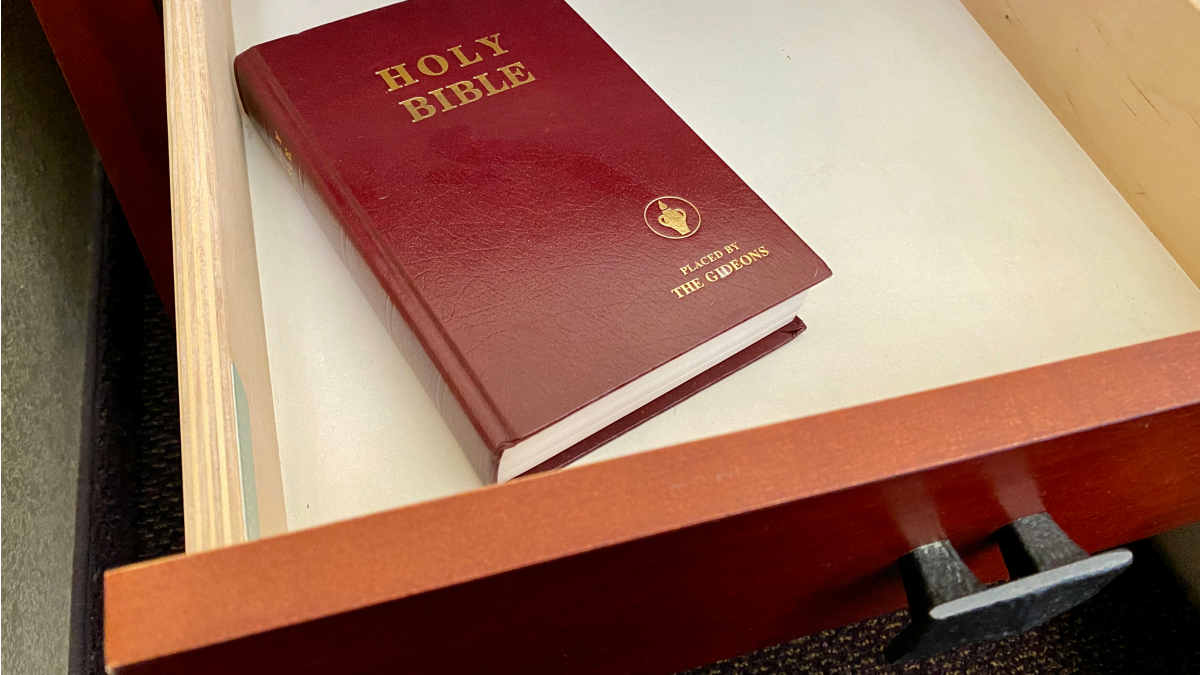
For decades, travelers checking into a room at a Hilton Hotels and Resorts property or a modest roadside motel have been greeted by a familiar sight: a Gideon Bible tucked inside the nightstand drawer. While the hospitality industry has evolved significantly—incorporating high-speed Wi-Fi, smart room controls, and luxury spa amenities—this tradition has remained an enduring fixture. Understanding the origins of this practice requires a look at the intersection of religious outreach and the history of modern accommodation.
The Origins of the Gideons International
The practice is almost exclusively attributed to a specific organization known as The Gideons International. Founded in Boscobel, Wisconsin, in 1899, the group began as a small association of traveling businessmen who wanted to provide spiritual support to others on the road.
A Chance Meeting in a Hotel
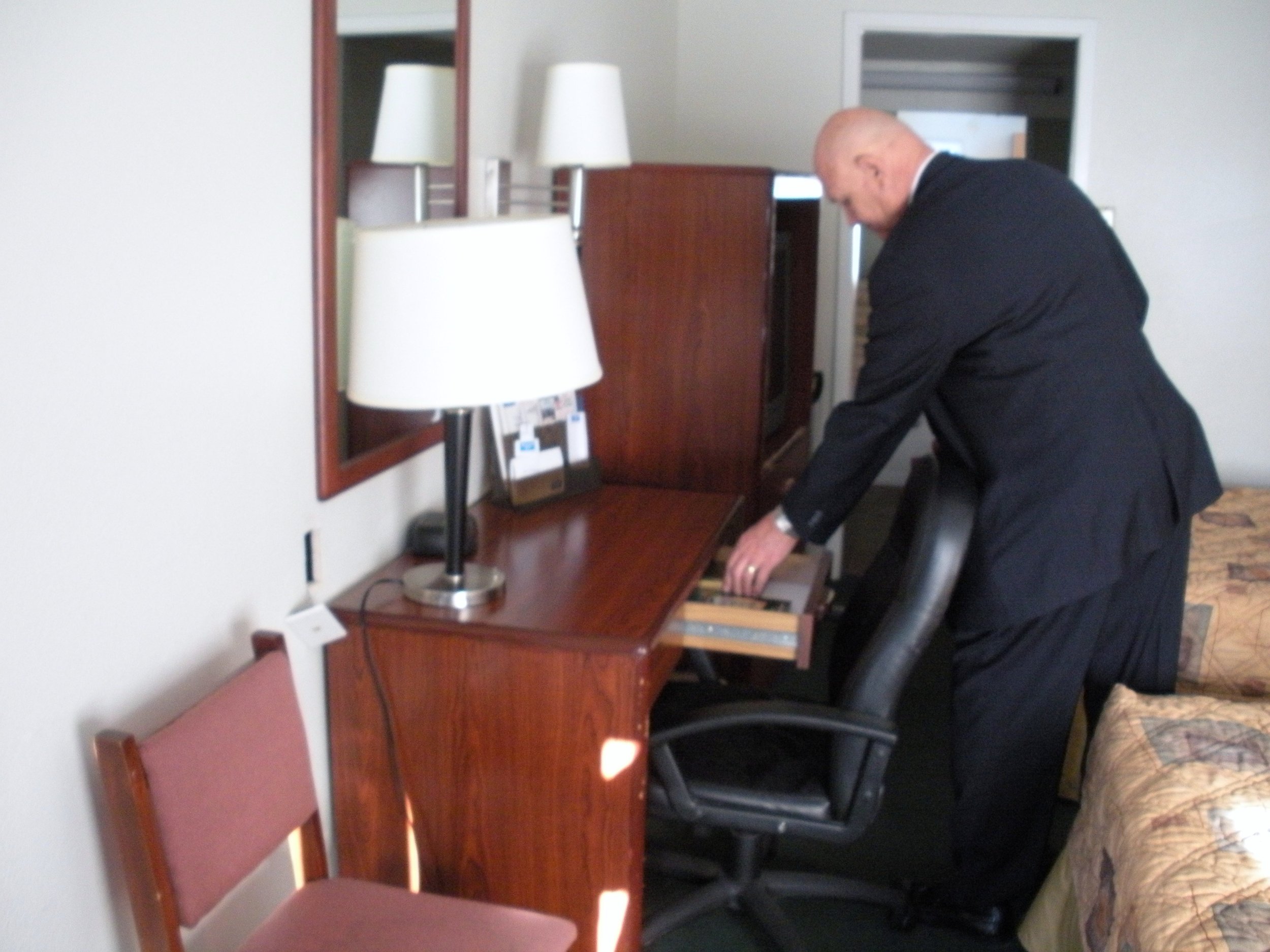
The story goes that two salesmen, John H. Nicholson and Samuel E. Hill, were forced to share a room at a hotel in Boscobel due to a lack of available accommodations. During their stay, they discovered a shared faith and a common frustration: the loneliness and moral challenges faced by commercial travelers. They envisioned an organization that would offer companionship and scripture to those forced to spend nights away from their families and home congregations.
The Expansion of the Mission
By 1908, the organization decided to expand its reach by placing a Bible in every guest room of every hotel in the United States. They believed that a Bible provided a source of comfort, guidance, and familiarity for travelers navigating the stressors of business trips and long-distance transit. This mission proved incredibly successful, eventually spreading globally to hotels in Europe, Asia, and beyond.
The Role of Hotels in Distributing Scripture
From an operational perspective, the presence of these Bibles was never a result of a hotel’s desire to proselytize. Instead, it became a standard hospitality amenity that required almost no investment from the property owners themselves.
Why Hotels Agreed to the Practice
For early 20th-century hoteliers, accepting the donation of Bibles was a practical business decision. In an era when travel was often arduous and hotels were viewed as transitory, somewhat anonymous spaces, a Bible offered a sense of “home” to the weary guest. It provided a silent, non-intrusive amenity that signaled respectability and comfort. Because The Gideons International covered the entire cost of production and distribution, hotels were essentially receiving a complimentary guest amenity that cost them nothing in terms of maintenance or capital expenditure.
The Changing Standards of Amenities
As the hospitality industry moved toward the mid-to-late 20th century, the landscape of what guests expected in their rooms changed. Luxury chains like the Marriott International began to differentiate themselves through high-end service, yet many maintained the tradition of placing religious texts in rooms. For a long time, the absence of a Bible was even considered a minor deviation from the “standard” guest room experience, much like the absence of soap or fresh towels.
Modern Trends and the Decline of Religious Materials
In recent years, the ubiquity of the hotel Bible has begun to wane. A shift in demographics, increased secularism, and a desire for hotels to remain neutral in an increasingly diverse global market have led many properties to rethink their room contents.
Adapting to Diverse Guest Demographics
Today’s hotel landscape is defined by international travel. A guest checking into the Four Seasons Hotel in Dubai or a boutique property in Tokyo may have vastly different religious backgrounds. Many modern hotel groups argue that by providing only one type of religious text, they may unintentionally alienate a portion of their clientele. Consequently, some brands have shifted toward a “request only” policy, where a Bible or other religious texts are available at the front desk rather than being permanently housed in every room.
The Rise of Minimalism and Digitalization
Modern hotel design increasingly favors minimalism. Bedside tables are now often occupied by tablets, charging stations, and sleek lighting controls, leaving less physical space for secondary items. Furthermore, the rise of digital technology means that any traveler seeking scripture can access it on their smartphone in seconds. The physical Bible, once a crucial lifeline for the disconnected traveler, is now often viewed as clutter.
The Future of the In-Room Bible
Despite these shifts, the tradition has not vanished entirely. Many independent hotels and specific franchises continue to welcome the distribution of Bibles.
Institutional Memory and Loyalty
For many legacy properties, the Bible represents a connection to their history. It serves as a reminder of a simpler time in the hospitality industry when hotel managers felt a sense of duty to provide for the spiritual needs of their guests. For guests who are regular travelers—much like the original Gideons—the presence of a Bible can still evoke a sense of warmth and familiarity.

A Neutral Stance
Many contemporary hotel chains, such as Wyndham Hotels and Resorts, often leave the decision up to the individual property owner. This allows hotels in more traditional or rural settings to maintain the practice, while urban or highly internationalized properties can pivot toward a more neutral room profile. This fragmentation of the “Bible in every room” mandate reflects the broader trend of personalization in the travel industry.
Ultimately, the Bible in the hotel nightstand is a historical artifact that has successfully survived over a century of cultural change. Whether one views it as a helpful amenity or an outdated relic, it remains a fascinating window into the evolution of hospitality. It speaks to a time when hotels were not just places to sleep, but community hubs that sought to provide more than just a bed—they sought to provide comfort for the human spirit. As travel continues to evolve, the room drawer—once a repository for spiritual literature—will continue to reflect the changing values and priorities of the modern guest, marking the end of one era and the quiet arrival of another.
LifeOutOfTheBox is a participant in the Amazon Services LLC Associates Program, an affiliate advertising program designed to provide a means for sites to earn advertising fees by advertising and linking to Amazon.com. Amazon, the Amazon logo, AmazonSupply, and the AmazonSupply logo are trademarks of Amazon.com, Inc. or its affiliates. As an Amazon Associate we earn affiliate commissions from qualifying purchases.