
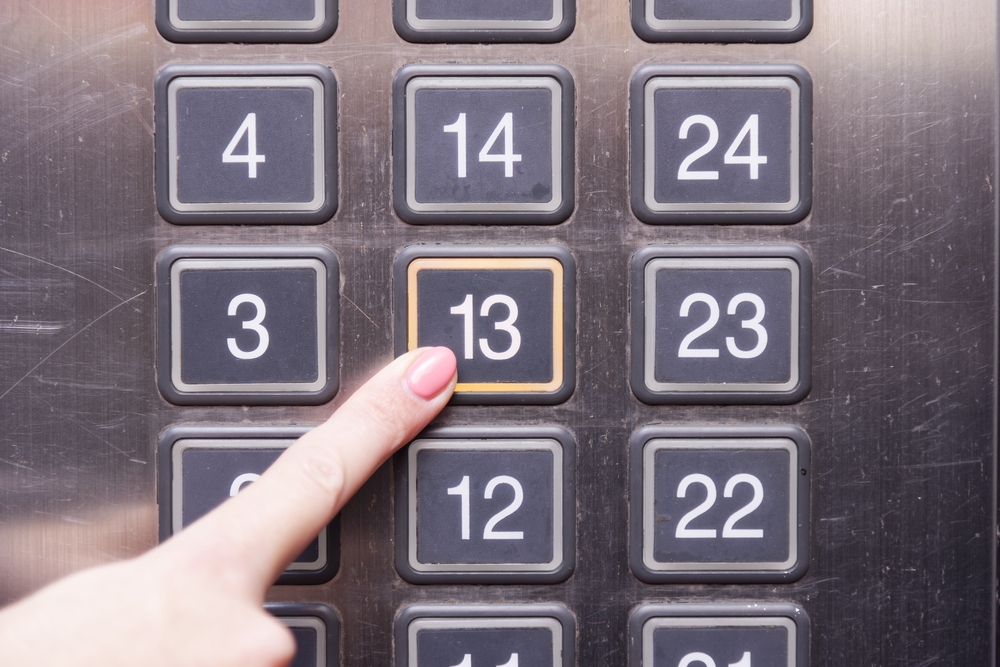
The phenomenon of the missing 13th floor is one of the most curious quirks in the hospitality industry. Guests checking into a skyscraper in New York City or a luxury property in Chicago often find that the elevator buttons jump directly from 12 to 14. This architectural sleight of hand is not a structural necessity or a miscalculation by engineers; rather, it is a deliberate concession to a centuries-old cultural superstition known as triskaidekaphobia.
The Roots of Triskaidekaphobia in Hospitality
The fear of the number 13 is deeply embedded in Western culture, often linked to religious and historical anxieties. In Christian tradition, there were 13 guests at the Last Supper, an event that ultimately led to the crucifixion of Jesus. Similarly, in Norse mythology, the trickster god Loki is famously cited as the 13th guest at a banquet of the gods, which resulted in chaos and tragedy.

Psychological Impact on Hotel Design
For hoteliers, particularly those managing high-end establishments like the Waldorf Astoria, the goal is to provide a seamless, stress-free experience for every guest. If a significant percentage of the traveling public views the number 13 as an omen of bad luck, the hotelier’s duty is to mitigate that anxiety before the guest even reaches their suite. By simply removing the label from the elevator panel, management eliminates a potential point of friction.
Consistency Across the Industry
This practice is not isolated to a few quirky boutique hotels. It is a widespread standard across the hospitality sector. Whether you are staying at a Hilton or a Marriott in London, the omission of the 13th floor is a common thread that binds global property management. It serves as a subtle, silent amenity—a gesture acknowledging that the guest’s peace of mind is prioritized above mathematical or architectural literalism.
The Economic and Practical Realities
While superstition is the primary driver, there is an underlying economic rationale for skipping the 13th floor. Hotels operate on the premise of perception. If a guest refuses to book a room on the 13th floor, or requests a room change upon realizing their assignment, it creates operational bottlenecks for the front desk staff.
Minimizing Room Change Requests
Front desk operations at massive resorts like the Bellagio in Las Vegas are complex enough without the added burden of reassigning rooms based on numerical superstition. By ensuring that “bad luck” rooms simply do not exist, the hotel streamlines the check-in process. This efficiency allows housekeeping teams and concierge staff to focus on high-priority guest needs rather than addressing complaints rooted in personal beliefs.
The Perception of Value
Luxury hospitality is built on the foundation of comfort. For guests paying premium rates at properties like The Ritz-Carlton, the environment should be curated to maximize tranquility. If a room’s floor number is perceived as a detriment to the stay, it devalues the product in the eyes of the customer. By omitting the 13, hoteliers avoid the possibility of a guest feeling unsettled in their environment, thereby maintaining the perceived value of the room.
Regional Variations and Cultural Nuances
It is fascinating to observe that the fear of the number 13 is not a universal constant. While it is pervasive in the United States, Canada, and parts of Europe, other cultures have entirely different sets of numerical taboos that influence building design and room numbering.
The Tetraphobia Phenomenon
In many parts of East Asia, including China, Japan, and South Korea, the number 4 is considered the ultimate symbol of misfortune. This is known as tetraphobia. In the Mandarin and Japanese languages, the pronunciation of the number four is phonetically similar to the word for “death.” Consequently, hotels operating in Tokyo or Shanghai are far more likely to omit the 4th, 14th, and 24th floors than the 13th.
A Globalized Industry
As major hotel chains expand their footprints into Asia, they must become cultural chameleons. A property that adheres to Western standards might struggle to gain local acceptance if it ignores regional superstitions. Therefore, high-end developers now conduct localized market research before finalize their floor plans. A hotel in Hong Kong might skip the 4th floor, while a sister property in Paris skips the 13th. This level of granular attention to detail illustrates how sensitive the hospitality industry is to the psychological landscape of its clientele.
The Future of Numerical Floor Naming
As we move toward a more secular, tech-driven future, one might wonder if these architectural quirks will eventually vanish. However, the data suggests that these traditions remain resilient. Even as we embrace digital check-ins and keyless entry, the physical structure of a building remains a permanent legacy.
The Role of Branding and Tradition
For historic hotels like the Fairmont Le Chateau Frontenac in Quebec City, maintaining traditions is part of the brand identity. Guests expect these properties to honor the idiosyncrasies of the past. The missing 13th floor is not just a superstition; it is a conversation piece and a recognized quirk of the hotel experience. It adds a layer of character to the building, a silent nod to the history of the guests who have walked those halls before.
Is It Really Missing?
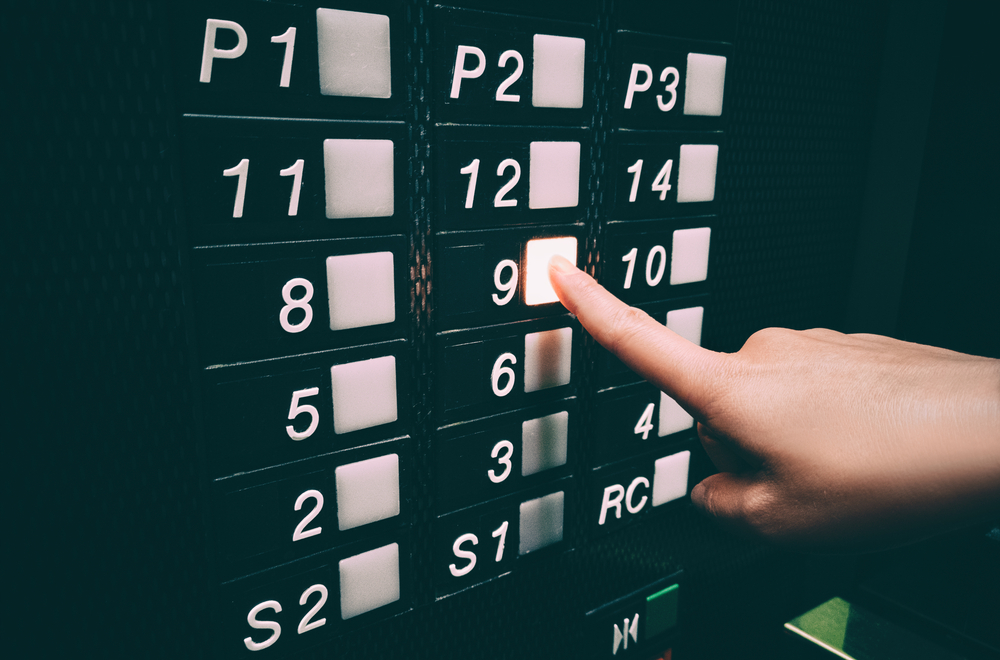
The irony of the “missing” 13th floor is that it is never actually missing. The structural space between the 12th and 14th levels still exists. It might be used for mechanical equipment, HVAC systems, or maintenance storage. In many modern high-rises, the space is merely rebranded as the 14th floor, meaning the “14th floor” is technically the 13th level of the building. The superstition is satisfied, the guests are appeased, and the building remains as sturdy as ever.
Whether these practices feel like an antiquated superstition or a thoughtful courtesy, the “skip” in floor numbering is a testament to the fact that hotels are not just machines for sleeping—they are delicate ecosystems built around human psychology. By respecting the preferences and fears of their guests, hoteliers ensure that a stay, regardless of the floor number, is defined by comfort and care. When you next step into an elevator in Dubai or San Francisco and notice that familiar jump in numbers, you are witnessing the intersection of engineering, marketing, and the enduring power of human belief.
LifeOutOfTheBox is a participant in the Amazon Services LLC Associates Program, an affiliate advertising program designed to provide a means for sites to earn advertising fees by advertising and linking to Amazon.com. Amazon, the Amazon logo, AmazonSupply, and the AmazonSupply logo are trademarks of Amazon.com, Inc. or its affiliates. As an Amazon Associate we earn affiliate commissions from qualifying purchases.