
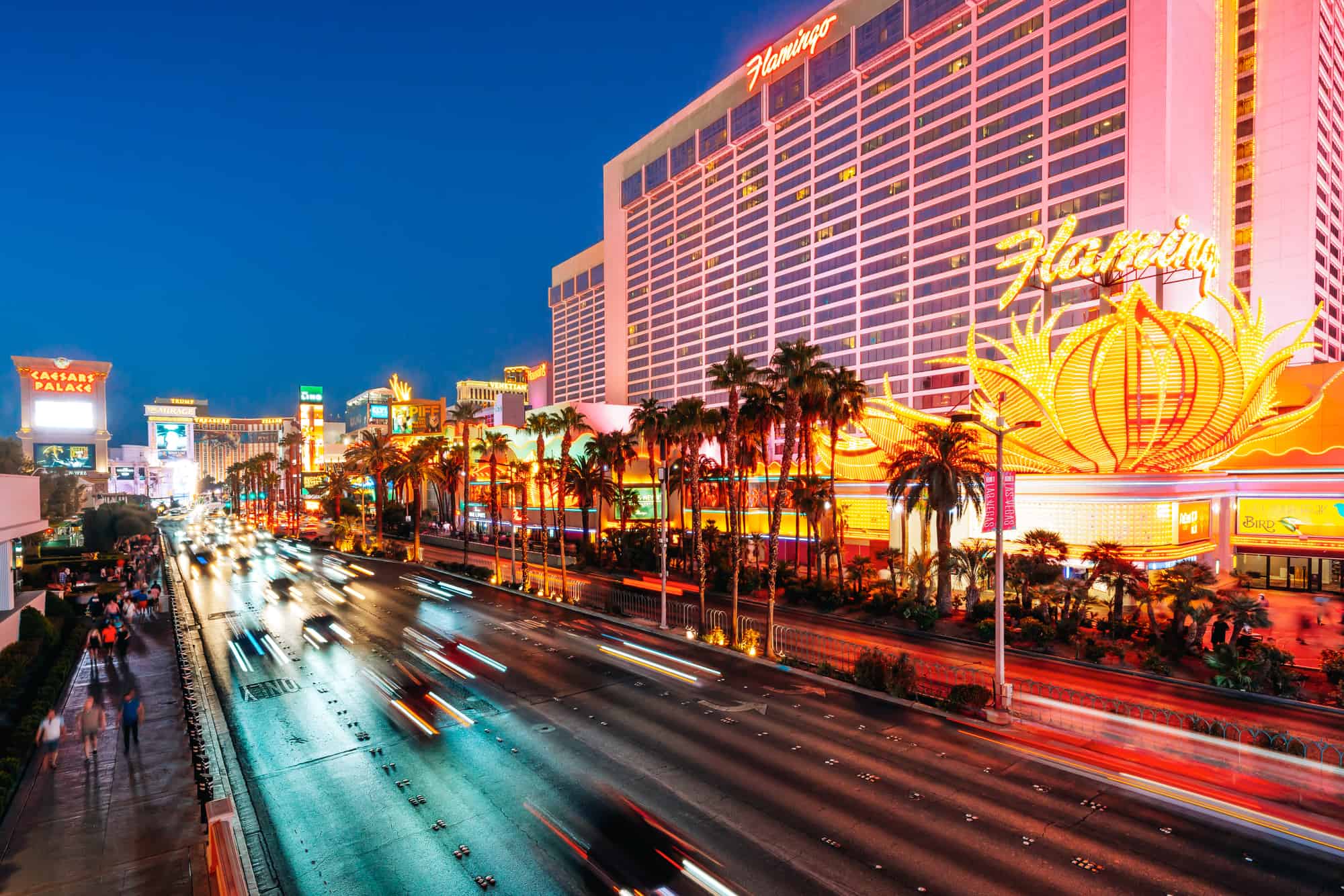
When planning a trip to Las Vegas, travelers are often struck by the stark disparity in pricing between various properties on the Las Vegas Strip. Amidst the glittering high-end resorts and hyper-luxury suites, the Flamingo Hotel often appears as an anomaly, frequently offering rates that seem too good to be true. To the uninitiated, this low price point might raise concerns about quality or safety. However, the affordability of this iconic property is not a result of a decline in standards, but rather a strategic outcome of its history, business model, and operational scale.

The Economics of Scale and Location
The pricing strategy of any major resort is governed by a complex set of variables, ranging from room inventory to location logistics. For a property as massive as the Flamingo Las Vegas Hotel & Casino, the sheer volume of rooms allows for a unique pricing flexibility that smaller boutique hotels simply cannot replicate.
Massive Room Inventory
With thousands of rooms available, the hotel relies on a high-occupancy model. By maintaining a lower base rate, the property ensures a consistent flow of foot traffic. This volume is essential because, in the Nevada gaming industry, the hotel room is often viewed as a “loss leader.” The primary objective of the property is to get guests through the doors and into the casino. Once a guest is on the property, the revenue generated from gaming, dining, and resort fees often far outweighs the margin made on the nightly room rate.
Prime Central Positioning
Situated at the intersection of Las Vegas Boulevard and Flamingo Road, the hotel occupies what is arguably the most valuable real estate in the city. Because the property is already paid for—having been a staple of the skyline for decades—it does not face the same debt-servicing pressures as newer, ultra-luxury builds like the Wynn Las Vegas or the Resorts World Las Vegas. This lower overhead cost allows management to price rooms more competitively while still remaining highly profitable.
Historical Context and Branding
The history of the property plays a significant role in its current market position. As the oldest resort still operating on the Strip, the brand carries a legacy of “Old Vegas” charm that is distinct from the modern, minimalist aesthetic found elsewhere.
The Legacy of Bugsy Siegel
Founded by Bugsy Siegel, the property was the pioneer of the luxury desert resort concept. Over the decades, the hotel has undergone numerous renovations and ownership changes, eventually becoming part of the Caesars Entertainment portfolio. Being part of a massive corporate conglomerate allows the hotel to benefit from centralized booking systems, massive loyalty program databases, and streamlined supply chains, all of which keep operating costs—and therefore room prices—artificially low compared to independent properties.

Target Demographic Alignment
The brand positioning of the hotel is purposefully aimed at the middle-market traveler. While other properties cater exclusively to high-rollers or those seeking a “six-star” experience, the hotel has carved out a niche for itself as the go-to destination for budget-conscious vacationers who want to be in the heart of the action. By choosing to target this massive segment of the population, the property ensures that it is rarely empty, which keeps the revenue stream stable even when room rates are low.
The Role of Ancillary Revenue Streams
If you look closely at your final bill, you will often notice that the “cheap” room rate is only the beginning of the financial picture. Understanding how the hotel makes money beyond the nightly rate is crucial to understanding why the initial price can be so low.
The “Resort Fee” Factor
Like most major properties in United States tourist hubs, the hotel utilizes a mandatory daily resort fee. These fees cover access to amenities like the Flamingo Wildlife Habitat, high-speed internet, and gym access. When a traveler sees a “cheap” price online, it often excludes these mandatory add-ons. Once these fees are added, the room rate reaches a level that aligns with the property’s operating costs, even if the advertised rate looks significantly cheaper.
Casino and Entertainment Synergy
The hotel is designed to keep guests on-site. With a bustling casino floor, numerous bars, and a variety of shows, the property earns a significant portion of its profit through spending behavior. The low barrier to entry for the room is a calculated move; it attracts visitors who might otherwise stay at an off-strip property. Once these guests are on-site, the convenience of the location prevents them from leaving, leading to higher spending on food, drinks, and gaming.
Analyzing the Guest Experience
There is a common misconception that low prices equate to low quality. While it is true that the hotel does not offer the same level of white-glove service or expansive square footage as the Bellagio Hotel and Casino or The Venetian Resort, the experience provided is entirely adequate and often superior for the price point.
Room Renovations and Modernization
Over the years, the hotel has invested heavily in room renovations. The “Flamingo Rooms” and the upgraded suites feature modern decor and updated technology, ensuring that guests do not feel like they are staying in a dated environment. These strategic renovations maintain the property’s appeal without requiring the massive capital expenditure of a full-scale rebuild.
The Value Proposition
Ultimately, the hotel offers a specific value proposition: you are paying for the location and the experience, not for excessive luxury. For the average traveler who intends to spend their time exploring The Strip, visiting the High Roller Observation Wheel, or enjoying the Pools at the Flamingo, the room is essentially a base of operations. By providing a clean, safe, and well-located space at a competitive price, the property fills a vital gap in the Las Vegas market.
In summary, the affordability of this resort is a masterclass in hotel management. By leveraging its historic location, benefiting from its massive corporate affiliation, and utilizing a loss-leader strategy centered on gaming and ancillary services, the property manages to remain one of the most accessible and popular destinations in the world. It is not cheap because it is lacking; it is cheap because it understands exactly who its customers are and how to provide them with the best possible value in an incredibly competitive landscape.
LifeOutOfTheBox is a participant in the Amazon Services LLC Associates Program, an affiliate advertising program designed to provide a means for sites to earn advertising fees by advertising and linking to Amazon.com. Amazon, the Amazon logo, AmazonSupply, and the AmazonSupply logo are trademarks of Amazon.com, Inc. or its affiliates. As an Amazon Associate we earn affiliate commissions from qualifying purchases.