
When planning a trip to the scenic landscapes of the American West, travelers often focus on the excitement of their itinerary, the beauty of the Sawtooth Mountains, or the best time to visit Sun Valley. However, savvy travelers know that understanding the local tax environment is a crucial part of budgeting for a trip. If you are preparing for a getaway to the Gem State, you might be asking: Does Idaho have a sales tax?
The short answer is yes. Like most states in the United States, Idaho imposes a statewide sales tax on the retail sale, rental, or lease of tangible personal property, as well as on certain services. For tourists, this means that your final bill at hotels, restaurants, and retail shops will likely include an additional charge beyond the sticker price. Understanding how this tax works and how it applies to your travel expenses will help you avoid sticker shock and keep your vacation budget on track.
Understanding Idaho’s Sales Tax Structure
To navigate the costs of your trip effectively, it is important to understand the base rate and how it is applied across the state. While some states have fragmented tax systems that vary drastically from one neighborhood to the next, Idaho maintains a relatively uniform approach, though there are nuances that travelers should be aware of.
The Base Rate
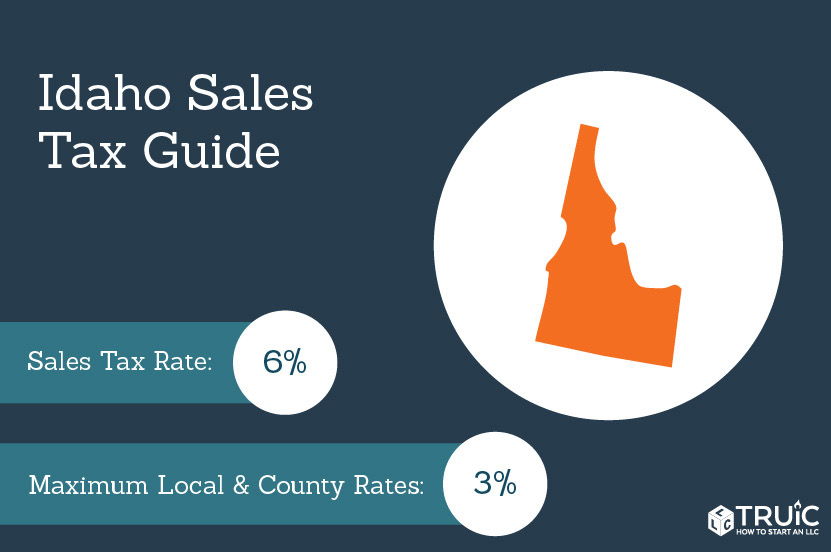
As of the current regulations, the statewide sales tax rate in Idaho is 6%. This rate applies to most taxable goods you will encounter while traveling. Whether you are buying a souvenir in Boise or picking up gear at an outfitter in Coeur d’Alene, you should anticipate this 6% base tax on your purchases.
Local Option Taxes
While the state sets the baseline, Idaho allows certain municipalities and resort towns to implement “local option taxes.” These are additional sales taxes that are specifically designed to support infrastructure, tourism, and community services in high-traffic areas.
For example, popular destination towns like Ketchum or Sandpoint may have local option taxes on top of the state’s 6%. These taxes are often directed toward enhancing the visitor experience—such as maintaining trails or funding cultural events—but they can push the total sales tax rate higher than the state average. When checking into a resort in McCall or dining out, check your receipt to see the breakdown of state versus local taxes.
How Sales Tax Impacts Your Travel Expenses
Your travel budget is usually divided into three primary categories: accommodation, dining, and activities. Because each of these interacts differently with Idaho tax law, it is helpful to look at them individually.
Lodging and Accommodations
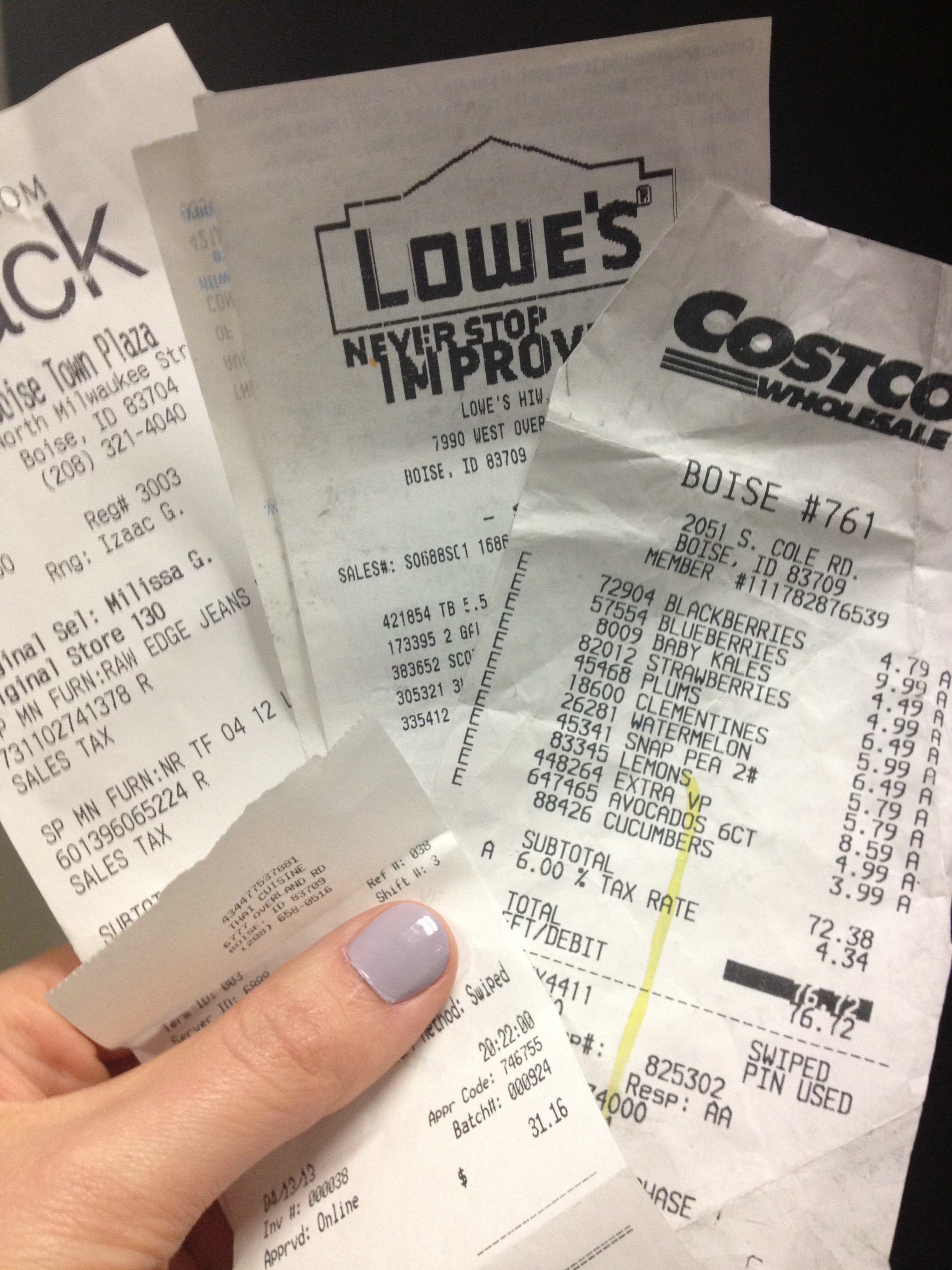
If you are booking a room at a boutique hotel or a luxury resort, be prepared for more than just the nightly room rate. Lodging in Idaho is typically subject to state sales tax. Furthermore, many cities charge an additional “lodging tax” or “hotel tax” to fund local tourism boards. If you are staying in a popular hub like Idaho Falls, your invoice will often clearly separate the base rate, the state sales tax, and the local lodging tax. Always verify if the tax is included in the advertised price when booking online, as some platforms show the “tax-free” rate until you reach the final checkout screen.
Dining Out
Food is a significant portion of any travel budget. In Idaho, prepared food—such as meals at a restaurant, coffee shop, or bistro—is fully taxable. If you are stopping for lunch at a local spot in Twin Falls, you will be charged the combined state and local sales tax on your meal. Keep in mind that this applies to prepared hot food and often to grab-and-go deli items, depending on the establishment’s categorization.
Retail Purchases and Souvenirs
Whether you are buying handmade jewelry in Stanley or outdoor apparel from a shop in Nampa, retail items are subject to the standard 6% state tax. Unlike some states that offer exemptions for clothing or footwear under a certain price point, Idaho generally taxes retail items uniformly. If you are planning on making a large purchase, such as high-end photography equipment or specialized winter sports gear, remember to factor the 6% (plus any local rate) into your total expenditure.
Tips for Budgeting and Saving in Idaho
Navigating taxes is just one part of smart travel planning. By being proactive, you can ensure that your Idaho adventure remains within your financial comfort zone.
Factoring Tax into Your Daily Per Diem
When calculating how much to spend per day, do not calculate your expenses based solely on the menu or price tag. A simple trick is to add 8–10% to your expected daily spending to account for sales tax and potential local surcharges. If you expect your meals and activities to cost $100 per day, setting aside $110 ensures you won’t be surprised when the final receipt arrives.
Comparing Locations
If you are traveling on a strict budget, remember that your choice of base camp can influence your tax burden. Visiting larger metropolitan areas like Meridian might offer more variety, while staying in smaller, unincorporated areas might mean you are only subject to the state’s 6% sales tax without the additional local option taxes found in heavily touristed mountain resort towns.
Understanding Tax-Exempt Goods
While most items are taxable, it is worth noting that certain grocery items are generally exempt from sales tax in Idaho. If you are embarking on a long backpacking trip through the Frank Church-River of No Return Wilderness and decide to stock up on bulk snacks, bottled water, or pantry staples at a grocery store, you may find that these are tax-exempt, unlike the prepared meals you buy at a restaurant. This is a great way to save money if you are cooking for yourself during a cabin stay or a camping trip.
Final Considerations for Travelers
Idaho offers some of the most spectacular natural beauty in the Pacific Northwest, from the rugged peaks of the Bitterroot Range to the winding beauty of the Snake River. While sales tax is a reality of commerce in the state, it is a relatively straightforward system compared to many other regions.
By familiarizing yourself with the 6% baseline and checking for local option taxes in popular destination spots, you can plan your budget with confidence. Whether you are hiking through Craters of the Moon National Monument or enjoying the vibrant downtown scene in Pocatello, being informed about your expenses allows you to spend less time worrying about your wallet and more time soaking in the incredible landscape that Idaho provides. Always save your receipts if you have any questions about the charges, and consider the tax as a small investment in the state’s ability to keep its parks, trails, and tourist infrastructure pristine for visitors from around the world.
LifeOutOfTheBox is a participant in the Amazon Services LLC Associates Program, an affiliate advertising program designed to provide a means for sites to earn advertising fees by advertising and linking to Amazon.com. Amazon, the Amazon logo, AmazonSupply, and the AmazonSupply logo are trademarks of Amazon.com, Inc. or its affiliates. As an Amazon Associate we earn affiliate commissions from qualifying purchases.