
For travelers looking to traverse the high desert landscapes of the American West, the journey between Boise and Twin Falls represents one of the most accessible and scenic road trips in Idaho. Spanning approximately 130 miles, the drive typically takes about two hours via Interstate 84. While the mileage is straightforward, the experience of moving between these two distinct cultural and geographic hubs offers a unique glimpse into the heart of the Gem State. Whether you are a business traveler, a weekend adventurer, or a family looking to explore the volcanic history of the Snake River Plain, understanding the logistics of this route is essential for a seamless excursion.

Navigating the Route Between Idaho’s Key Cities
The drive from Boise to Twin Falls is defined by its wide-open vistas, sagebrush-covered plains, and the dramatic geological features that characterize southern Idaho. Most travelers opt for the most direct route: Interstate 84 East.
The Logistics of the Drive
Taking the interstate is the fastest and most efficient way to travel between these two cities. Spanning roughly 130 miles, the drive usually takes two hours, depending on traffic levels departing from the Boise metropolitan area. Throughout the journey, travelers will find well-maintained infrastructure and clear signage, making it a stress-free experience for those comfortable with highway driving. Along the way, the elevation remains relatively stable, though motorists should be mindful of high-wind warnings common in this region during the spring and fall.
Optimal Travel Times
While the distance remains static, the experience of the drive can fluctuate based on the time of day and season. Departing Boise during the morning commute can add time to your trip, so scheduling your departure for mid-morning or mid-afternoon is often recommended. If traveling during the winter months, it is vital to check road conditions through the Idaho Transportation Department before heading out. While Interstate 84 is a major thoroughfare, Idaho winters can bring sudden snowstorms and icy conditions that necessitate a more cautious approach.
Attractions and Stops Along the Way
Rather than rushing the two-hour drive, many travelers find that breaking up the journey with a few strategic stops enhances the overall experience. The stretch between Boise and Twin Falls passes by several interesting locales that showcase the history and natural beauty of the region.
Exploring Mountain Home
Located about 45 minutes southeast of Boise, Mountain Home serves as a convenient midpoint for a quick stretch or a coffee break. It is a hub for outdoor recreation, offering proximity to Anderson Ranch Reservoir, which is popular for boating, fishing, and camping. Taking a short detour off the highway can provide a welcome change of pace from the monotony of long-distance driving.
The Magic of the Snake River Canyon
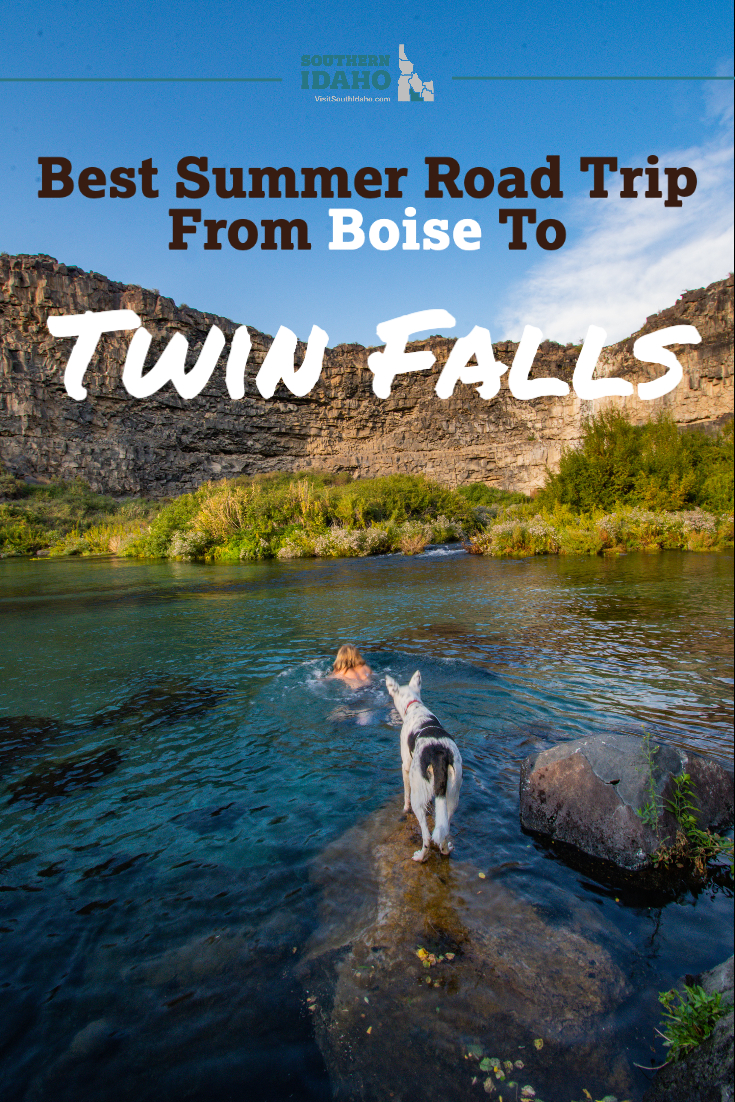
As you approach Twin Falls, the landscape shifts dramatically. The city is famous for its proximity to the Snake River Canyon, an awe-inspiring chasm carved by the Snake River. This feature is not just a geological marvel; it is an adventure destination. The Perrine Bridge offers spectacular views of the canyon floor and is a world-renowned site for BASE jumping. Spending an afternoon walking the rim trails is an excellent way to transition from the highway to your destination.
Why Visit Twin Falls?
While Boise is the state capital and a bustling urban center, Twin Falls offers a different, more rugged charm. It is the agricultural and natural heart of the Magic Valley, and it serves as a gateway to some of the most impressive natural landmarks in the Pacific Northwest.
Shoshone Falls: The Niagara of the West
No trip to Twin Falls is complete without visiting Shoshone Falls. Often called the “Niagara of the West,” these falls are actually taller than their famous counterpart in New York. Viewing the water cascading over the volcanic basalt cliffs is a transformative experience, especially during the spring runoff when the volume is at its peak. It is a short, scenic drive from the center of town and offers ample parking and viewing platforms.
Diving into Local History and Culture
Twin Falls has a rich history tied to early settlers and the development of irrigation systems that transformed the arid landscape into fertile farmland. Visitors can explore the Herrett Center for Arts and Science to learn about the regional anthropology and gaze at the cosmos in the Faulkner Planetarium. Additionally, the city’s downtown area has seen a revitalization, with local cafes, breweries, and boutiques that reflect the character of a community built on grit and ingenuity.
Practical Tips for Your Idaho Journey
To ensure your trip from Boise to Twin Falls is as smooth as possible, consider these practical suggestions that cater to the unique nature of travel in Idaho.
Vehicle Preparation
Given the distance and the nature of the terrain, ensure your vehicle is in good working order before departure. Check your tire pressure and fluid levels, as the heat of the summer months can be taxing on older vehicles. If you are renting a car, consider opting for a model with good highway gas mileage, as the distance between service stations can occasionally be significant.
Connectivity and Navigation
While cell service is generally reliable along Interstate 84, there are pockets of lower signal strength in more remote sections of the Snake River Plain. It is always a wise practice to download offline maps on your mobile device before heading out, particularly if you plan on exploring secondary roads or accessing trailheads near Twin Falls.

Essential Gear
Whether you are a casual traveler or an outdoor enthusiast, bringing the right gear will elevate your trip. During the warmer months, carry plenty of water and sunscreen. If you are visiting during the autumn or winter, layering your clothing is essential, as the weather in the high desert can change rapidly. A pair of comfortable walking shoes will serve you well if you decide to explore the trails surrounding the Snake River Canyon or the local parks in Twin Falls.
In summary, the journey from Boise to Twin Falls is more than just a commute; it is a gateway to the diverse beauty of Idaho. By planning your route, respecting the variable climate, and making time for the natural wonders that dot the landscape, you will find that the two hours spent on the road are as memorable as the destination itself. Whether you seek the urban amenities of the capital or the geological splendor of the Magic Valley, this path connects you to the very best of the American West.
LifeOutOfTheBox is a participant in the Amazon Services LLC Associates Program, an affiliate advertising program designed to provide a means for sites to earn advertising fees by advertising and linking to Amazon.com. Amazon, the Amazon logo, AmazonSupply, and the AmazonSupply logo are trademarks of Amazon.com, Inc. or its affiliates. As an Amazon Associate we earn affiliate commissions from qualifying purchases.