
For families considering a move to the scenic landscapes of Idaho, understanding the local educational landscape is a critical component of the relocation process. Whether you are moving to the bustling capital of Boise or the outdoor-focused communities near Sun Valley, navigating the academic requirements for your children is essential for a seamless transition. While many families focus on local culture, recreational activities, and housing, the graduation requirements set by the state serve as the framework for a student’s future success.
State-Mandated Graduation Requirements
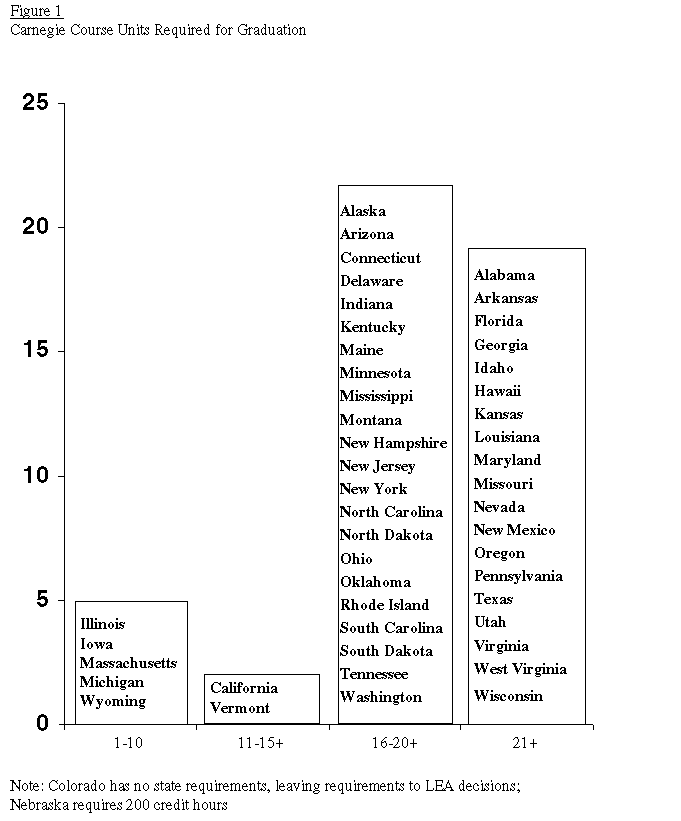
In the state of Idaho, the Department of Education establishes a standardized set of requirements to ensure that every student leaves high school with a robust foundation of knowledge. To earn a high school diploma, students are generally required to complete a minimum of 46 semester credits. These credits are earned through successful completion of state-approved courses, typically spanning the four years of high school from grades 9 through 12.

Core Academic Credits
The distribution of these 46 credits is strictly regulated to ensure a well-rounded education. Core subjects represent the majority of the graduation portfolio:
- Language Arts (English): Students must complete 8 credits, which typically cover literature, composition, and communications.
- Mathematics: A minimum of 6 credits is required. Crucially, these must include Algebra I and Geometry, with at least 2 credits taken during the senior year to ensure mathematical proficiency is maintained through graduation.
- Science: 6 credits are mandatory, with at least 4 of those credits involving laboratory-based instruction. This ensures students gain hands-on experience in biological or physical sciences.
- Social Studies: 5 credits are required, which typically include United States History, Government, and Economics.
- Humanities: 2 credits are necessary to fulfill the artistic and cultural appreciation requirements.
- Health and Fitness: 2 credits are required to promote physical wellness and nutritional education.
Electives and Personalized Learning
Beyond the core requirements, students must complete additional elective credits to reach the total of 46. These credits allow students to pursue personal interests, such as foreign languages, vocational training, or fine arts. Many school districts, particularly those in larger metropolitan areas like Meridian or Nampa, offer specialized programs that allow students to align their elective credits with potential career paths.
Senior Project and College Readiness
A unique aspect of the graduation process in Idaho is the Senior Project. This capstone experience is designed to challenge students to apply the knowledge they have gained throughout their academic career to a real-world problem or interest.
The Senior Project Components
The project is not merely a writing assignment; it requires students to demonstrate mastery in several distinct areas:
- A Research Paper: Students must conduct in-depth research on a chosen topic, providing a scholarly basis for their project.
- A Product or Performance: This acts as the practical application of the research, allowing students to create something tangible or perform a demonstration.
- A Portfolio: Students compile their work to showcase their journey and academic progress.
- A Presentation: Finally, students present their findings to a panel, which often includes community members and educators.

This requirement encourages students to engage with their local community, whether they are based in Coeur dAlene or the more rural expanses of the Sawtooth Mountains. It fosters a sense of responsibility and independence that serves as a bridge between high school and higher education or the workforce.
College Entrance Exams
While the Senior Project focuses on experiential learning, colleges and universities often look for standardized testing benchmarks. Idaho provides opportunities for students to take college entrance exams, such as the SAT or ACT, at no cost during the school day. This initiative is part of a broader push to ensure that every student, regardless of their background, has access to post-secondary education opportunities.
Navigating Academic Transitions and Local Context
Moving to a new state can be daunting, particularly for families concerned about credit transfers. When relocating to Idaho, it is vital to contact the guidance department of the local high school as soon as a move is finalized. Administrators are accustomed to evaluating transcripts from out-of-state institutions and will work with families to ensure that existing credits are mapped to the state’s requirements.
School District Variations
While the 46-credit requirement is a state-wide baseline, individual districts may have additional expectations. For instance, districts near Twin Falls or Idaho Falls may offer unique Advanced Placement (AP) courses or dual-enrollment options that allow students to earn college credits while still in high school. These programs can significantly enhance a student’s college application and reduce the overall cost of their future education.
Support Systems for Families
The educational culture in Idaho is deeply collaborative. Parents are encouraged to participate in parent-teacher organizations and attend district board meetings to stay informed about changes to graduation criteria. For families who are relocating for work—perhaps to join the burgeoning tech scene in Boise—many employers offer resources to help navigate the local school systems, including information on private school options and extracurricular activities that complement the state curriculum.
Planning for the Future in the Gem State
Education is the cornerstone of life in Idaho. By meeting the credit requirements and completing the Senior Project, students prove they are prepared for the rigors of adulthood. Whether they plan to attend the University of Idaho or pursue a trade certification, the path is clearly defined by the state’s commitment to academic rigor.
As you plan your transition, remember that graduation requirements are just one piece of the puzzle. The vibrant local culture, the stunning Snake River Canyon, and the proximity to the Grand Teton National Park (just across the border in neighboring Wyoming) provide a rich backdrop for a well-rounded upbringing. By staying organized and proactive regarding credit management, you can ensure that your child’s transition to an Idaho school is as smooth and rewarding as the mountain vistas that define the region.
Ultimately, the goal of these requirements is to equip the next generation with the tools to contribute meaningfully to their communities. From the high-tech corridors of the Treasure Valley to the agricultural heartlands, Idaho schools remain focused on academic excellence, personal growth, and preparing every student for a bright future. By understanding the credit system early, families can spend less time worrying about administrative hurdles and more time enjoying the unparalleled lifestyle that this unique state has to offer.
LifeOutOfTheBox is a participant in the Amazon Services LLC Associates Program, an affiliate advertising program designed to provide a means for sites to earn advertising fees by advertising and linking to Amazon.com. Amazon, the Amazon logo, AmazonSupply, and the AmazonSupply logo are trademarks of Amazon.com, Inc. or its affiliates. As an Amazon Associate we earn affiliate commissions from qualifying purchases.