
For travelers planning an epic road trip across the American West, understanding fuel costs is a fundamental part of the budgeting process. When navigating the diverse landscapes of Idaho, from the jagged peaks of the Sawtooth National Forest to the sweeping plains near Boise, the price of gas can fluctuate significantly based on geography, supply chain logistics, and seasonal demand. Whether you are driving a fuel-efficient sedan or a heavy-duty recreational vehicle, keeping an eye on the pump is essential to maintaining your travel budget.
Factors Influencing Fuel Prices in the Gem State
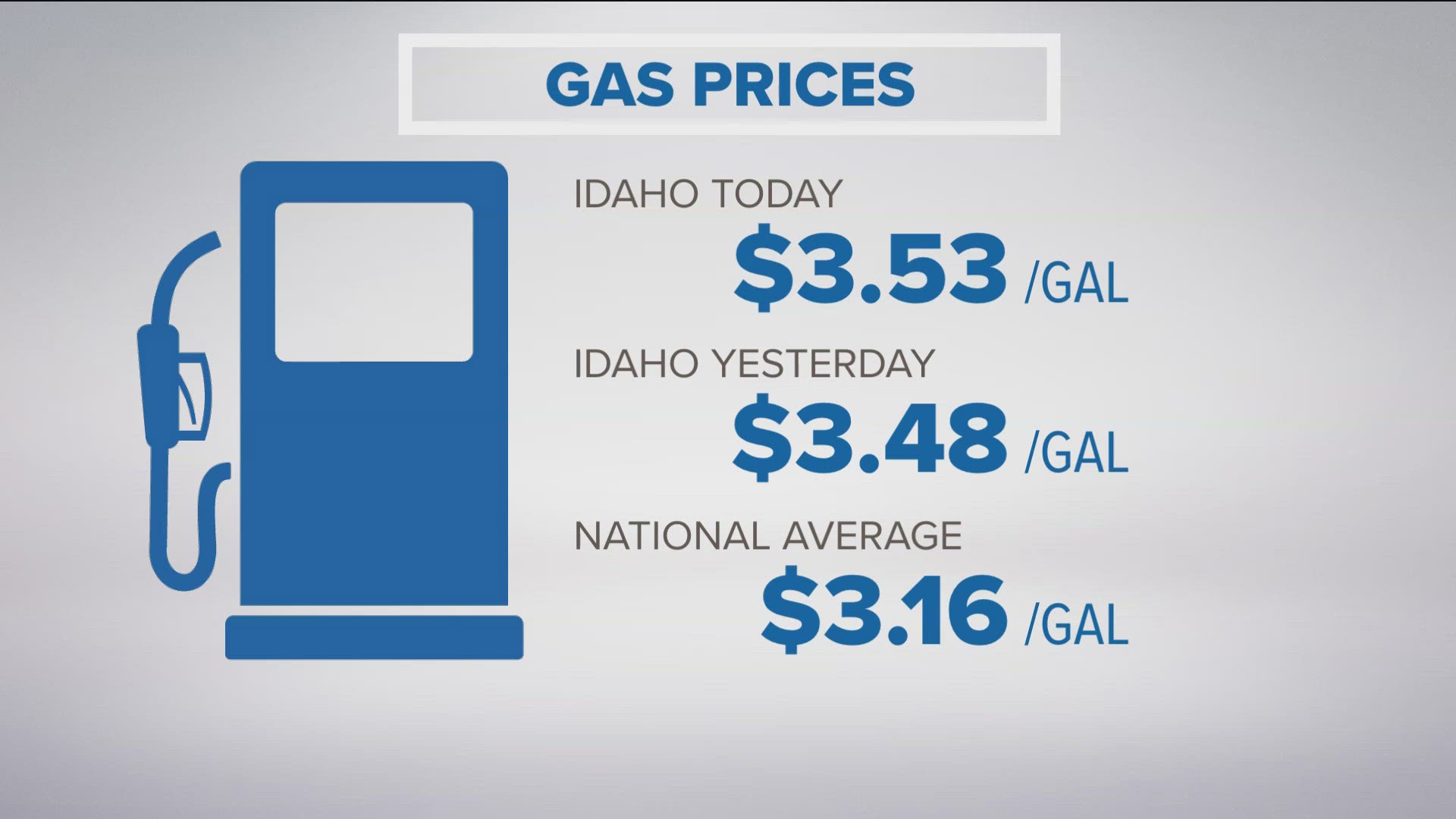
The cost of fuel is rarely static. In Idaho, residents and visitors alike often notice that prices shift based on several distinct economic and geographical factors. Understanding these variables can help you anticipate spikes or dips during your journey.
Geographical Isolation and Supply Chains
Unlike coastal regions that benefit from proximity to major shipping ports, Idaho is largely landlocked. Most of the state’s refined petroleum products are transported via pipeline or rail from refineries in Utah or the Pacific Northwest. When these supply chains experience disruptions—due to extreme weather conditions in the Rocky Mountains or maintenance shutdowns at regional refineries—the scarcity immediately drives up prices at the pump.
Seasonal Fluctuations and Tourism Peaks
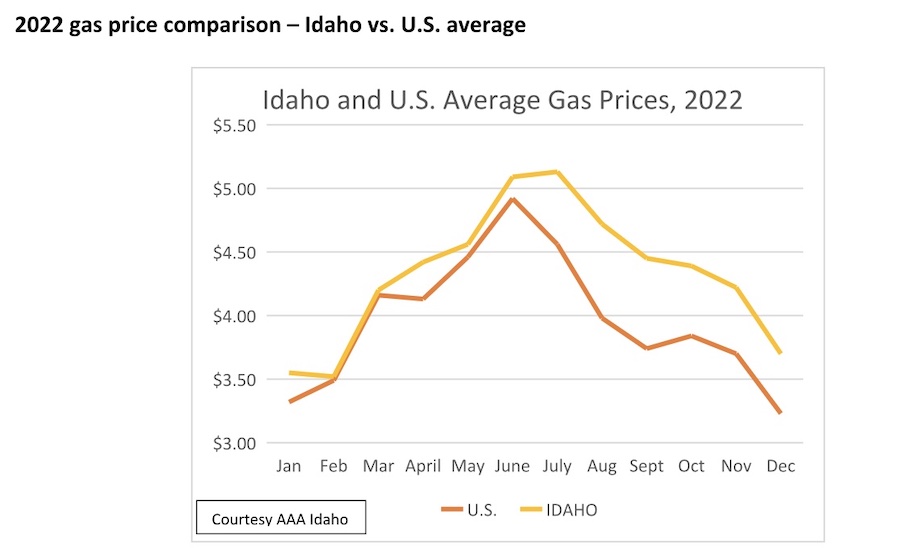
Tourism serves as a major economic driver for the region. During the peak summer months, when families flock to Sun Valley for hiking or Coeur d’Alene for water sports, the increased demand for fuel often leads to a localized price hike. Conversely, as winter sets in and travel slows down, prices may stabilize, though the transition to winter-blend fuel—which is more expensive to produce—can sometimes offset these potential savings.
Regulatory and Tax Environments
The state government sets specific motor fuel taxes that contribute to the maintenance of Idaho’s extensive highway system. While these taxes are generally lower than those in neighboring states like Washington or Oregon, they are a fixed component of the final price you see at the pump. Being aware of these state-level policies allows travelers to better estimate their total transport costs when crossing borders.
Regional Variations: Where to Find Better Rates
It is a common observation among frequent travelers that prices in Idaho are not uniform. If you are traversing the state, your route may dictate how much you end up spending per gallon.

Urban Centers vs. Rural Outposts
Generally, major cities such as Meridian or Nampa see more competition between gas stations, which often results in slightly lower prices compared to remote, unincorporated areas. If you are venturing deep into the wilderness of the Frank Church River of No Return Wilderness, prepare for higher costs. In remote locations, the logistical difficulty of transporting fuel results in a “convenience premium” that locals and tourists must pay.
Proximity to State Borders
Travelers entering Idaho from Montana or Wyoming often compare local prices to those they just left behind. It is often wise to check regional price trackers before filling up near the border. Sometimes, fueling up a few miles inland can save a significant amount of money depending on the tax differential between the two jurisdictions.
Budgeting Tips for the Road-Tripping Explorer
Managing your travel expenses shouldn’t take the joy out of visiting landmarks like Shoshone Falls or Craters of the Moon National Monument. By employing a few strategic habits, you can keep your travel costs under control.
Leveraging Digital Tools and Loyalty Programs
The modern traveler has a significant advantage: real-time data. Numerous apps and websites provide live updates on gas prices by city, zip code, or even specific street corners. Additionally, signing up for fuel loyalty programs at major regional chains can save you several cents per gallon. While it may seem like a small amount, these savings accumulate quickly over the course of a multi-day road trip through the vast distances of the American West.
Maintaining Your Vehicle for Efficiency
Fuel economy is just as important as the price at the pump. Before embarking on your trip, ensure your tires are properly inflated and your engine is tuned. Driving at moderate speeds on the highways near Idaho Falls can significantly improve your miles-per-gallon rating, effectively lowering your fuel expenditure regardless of how high the local prices climb. Reducing the weight of your vehicle by removing unnecessary gear can also help you squeeze more miles out of every tank.
Strategic Planning of Your Route
When traveling to destinations like Twin Falls, consider planning your stops around fuel availability. If you are hauling a trailer or driving a large camper, prioritize stops with ample space to maneuver. These stations are often located near major transit corridors, which typically feature competitive pricing due to high traffic volume. Planning your refueling stops during the early morning or late evening can also save you time, as you avoid the peak traffic congestion of urban areas.
The Future of Fuel in the Mountain West
As the travel industry evolves, the landscape of refueling is shifting. With an increasing number of electric vehicles on the road, Idaho is gradually expanding its charging infrastructure. While gas remains the primary energy source for most travelers exploring the scenic beauty of the Bitterroot Range, the availability of alternative energy sources is something to keep in mind for future trips.
Whether you are here to explore the history of the Oregon Trail or simply passing through on your way to Canada, staying informed about local fuel trends is a smart way to protect your travel budget. By understanding the factors that move the needle on prices—from refinery logistics to seasonal tourism trends—you can focus your energy on the adventure ahead rather than the cost of getting there. Idaho offers an incredible array of landscapes to explore, and with a bit of financial foresight, you can enjoy every mile of the journey without unnecessary stress.
LifeOutOfTheBox is a participant in the Amazon Services LLC Associates Program, an affiliate advertising program designed to provide a means for sites to earn advertising fees by advertising and linking to Amazon.com. Amazon, the Amazon logo, AmazonSupply, and the AmazonSupply logo are trademarks of Amazon.com, Inc. or its affiliates. As an Amazon Associate we earn affiliate commissions from qualifying purchases.