
When planning a budget for your next adventure to the “Gem State,” understanding the local tax landscape is essential for managing your expenses. Whether you are fueling up for a road trip through the Sawtooth National Forest or booking a stay in the vibrant capital city of Boise, knowing how much sales tax you will encounter ensures your finances remain as orderly as your itinerary. Idaho’s tax structure is relatively straightforward, but as with any state, there are nuances for travelers to navigate.
The Statewide Baseline and Local Additions
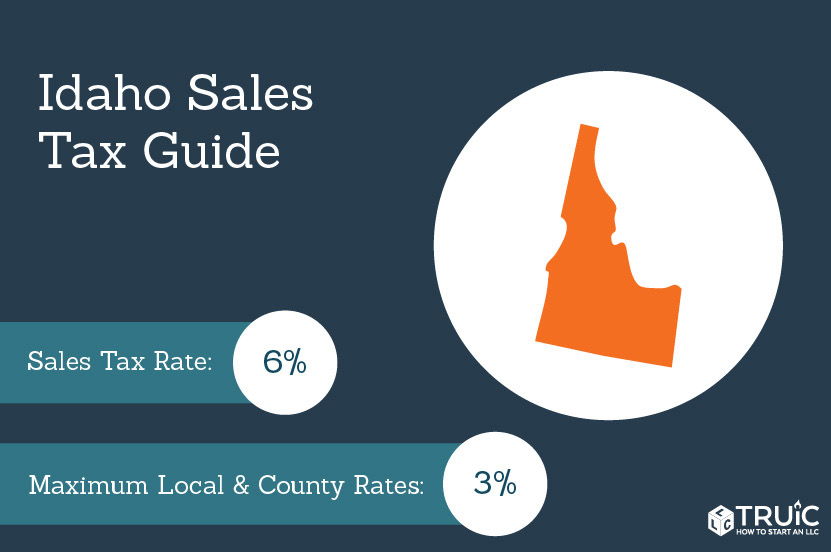
In Idaho, the base state sales tax rate is set at 6 percent. This rate applies to most tangible personal property and certain services purchased across the state. However, the total amount you pay at the register is often slightly higher due to local option taxes.
Understanding Local Option Taxes
Many municipalities in Idaho have been granted the authority by the state legislature to impose additional sales taxes. These are known as “local option taxes.” These taxes are primarily utilized to fund tourism-related projects, infrastructure improvements, and public safety initiatives that directly benefit visitors and residents alike.
If you are visiting popular tourist destinations such as Sun Valley or the historic town of Ketchum, you may notice the combined rate on your receipt reaching up to 8 or 9 percent. These local additions are specifically designed to help resort communities manage the influx of seasonal guests without placing an undue burden on their year-round property tax base.
What is Taxable for Travelers?
For those exploring the state’s many National Parks and urban centers, it is helpful to know what is subject to tax:
- Retail Goods: Clothing, souvenirs, and gear purchased at local outfitters are subject to the standard tax rate.
- Prepared Food: Unlike some states that offer exemptions for food, Idaho generally taxes prepared meals at restaurants and cafes.
- Short-term Rentals: Hotels, motels, and vacation rentals are subject to sales tax, and frequently, an additional “lodging tax” or “auditorium district tax” may apply in cities like Coeur dAlene.
Budgeting for Your Idaho Getaway
Navigating the costs of a trip to the American West requires a clear view of your overhead. By factoring in the tax variations between rural areas and resort towns, you can avoid surprises when you settle your bills.
Estimating Daily Expenses
When you calculate your daily travel budget, add a 7 to 9 percent buffer to your total estimated spending for meals and shopping. For example, if you are planning a weekend trip to Twin Falls to see the Shoshone Falls, keep in mind that the sales tax applies not just to your hotel room, but also to your park entry fees or equipment rentals if they are provided by private commercial vendors.
Tips for Tax-Conscious Travelers
- Check the Receipt: Always look at your receipt to see the breakdown. If you are in a high-traffic area, you will often see a “Local Option Tax” line item separate from the state tax. This is perfectly normal and contributes to the upkeep of the beautiful trails and parks you are enjoying.
- Purchase in Bulk Strategically: If you are planning a multi-day hike or a camping trip, consider picking up your non-perishable supplies and gear in larger regional hubs. The tax rates in major cities are generally consistent, whereas small, isolated resort towns sometimes have higher specific tax levies to support local tourism infrastructure.
- Lodging Inquiries: When booking your stay, the online platform might show you the “all-in” price, but always confirm the tax rate with the property manager or hotel front desk. Some properties in regions like Stanley have unique tax structures that include resort fees which are distinct from state sales tax.
Navigating Specific Regional Tax Landscapes
Not all parts of the state are taxed identically. The state’s geography plays a role in how local governments choose to fund their operations through sales tax.
The Resort Town Factor
Resort communities often have higher tax ceilings. This is a common practice in places like McCall, where the population swells significantly during the winter ski season and the summer lake season. By implementing a local option tax, these towns ensure that the services required to support thousands of tourists—such as waste management, road plowing, and public parking—are subsidized by the people using them.
Rural and Unincorporated Areas
If your journey takes you off the beaten path into the vast, unincorporated regions of the state, you will likely pay only the base state rate of 6 percent. These areas do not have a municipal government to levy local option taxes, making them the most cost-effective places to purchase fuel and essential supplies. If you are traversing the long stretches of highway through the Frank Church-River of No Return Wilderness, be sure to stock up on essentials, as the lower tax rate is a small bonus to the breathtaking scenery.
Preparing for Your Trip to the Gem State
Knowing the financial structure of Idaho allows you to focus on what truly matters: the experience. Whether you are fishing in the Salmon River or exploring the lava tubes at Craters of the Moon National Monument, a bit of preparation goes a long way.
Staying Informed
Tax laws can occasionally shift. Before embarking on your trip, a quick visit to the Idaho State Tax Commission website can provide the most current rates for the specific counties you plan to visit. This is particularly useful if you are planning an extended stay or a business trip, where tax exemptions for long-term residency (often exceeding 30 days) might come into play.
The Value of the Experience
While sales tax is a necessary component of modern travel, it is helpful to remember where that money goes. In Idaho, the revenue generated from tourism taxes plays a vital role in preserving the natural wonders that attract millions of visitors every year. From maintaining the cleanliness of the Snake River to ensuring the Hells Canyon overlooks remain accessible, your tax dollars are an investment in the longevity of the destinations you cherish.
By remaining aware of these figures, you can allocate your funds more efficiently, allowing you to splurge on that extra dinner at a fine dining establishment in Boise or perhaps add an extra day to your stay at a luxurious mountain lodge in Sun Valley. Preparation turns travel stress into travel confidence, leaving you free to enjoy the pristine landscapes and welcoming culture of one of the most beautiful states in the United States.
Remember that while the 6 percent base is your starting point, being prepared for that slight increase in resort areas is the mark of a seasoned traveler. As you traverse from the northern panhandle down to the southern desert regions, you will find that the diversity of Idaho is matched only by the efficiency of its travel planning tools. Whether it’s a quick weekend getaway or an extensive cross-state expedition, staying informed is the best way to ensure your visit is as smooth as possible. Enjoy the winding roads, the expansive wilderness, and the unique local charm that makes this state a must-visit destination for any adventurer.
LifeOutOfTheBox is a participant in the Amazon Services LLC Associates Program, an affiliate advertising program designed to provide a means for sites to earn advertising fees by advertising and linking to Amazon.com. Amazon, the Amazon logo, AmazonSupply, and the AmazonSupply logo are trademarks of Amazon.com, Inc. or its affiliates. As an Amazon Associate we earn affiliate commissions from qualifying purchases.