
The journey to Cave Falls is one of the most rewarding excursions for those exploring the southwestern corner of Yellowstone National Park. Located just across the border in the Caribou-Targhee National Forest, this hidden gem offers a spectacular display of power and natural beauty. However, for many travelers planning their trip from Ashton, Idaho, the primary concern is the road itself. When you are venturing into the remote backcountry, the quality of the terrain dictates not only your comfort but the type of vehicle you choose to bring.
Understanding the Road Conditions to Cave Falls
The route to Cave Falls Road, commonly referred to by locals as the Cave Falls Approach, is a unique mix of paved and gravel surfaces. Understanding the transition between these types is essential for a stress-free experience.

The Paved Transition
Starting your drive from Ashton, you will initially find yourself on well-maintained state highways. As you head northeast, the transition toward the national forest boundary is generally smooth. The state-maintained sections are predictable and suitable for any standard passenger sedan. However, as you move deeper into the Greater Yellowstone Ecosystem, the character of the road begins to shift, demanding more attention from the driver.
The Gravel Experience
Once you transition onto the gravel sections of Cave Falls Road, the “smoothness” factor changes based on seasonal maintenance and recent weather patterns. The road is a wide, groomed gravel path for much of its duration. It is regularly graded by the United States Forest Service, ensuring that it remains accessible to most vehicles. You will find that while it is not paved, it is significantly better than many of the rugged off-road trails found elsewhere in the Rocky Mountains.
Managing Expectations for Washboards
While the road is generally well-maintained, “smoothness” is a relative term in the wilderness. During the peak of the summer, high traffic volumes can lead to the formation of “washboard” ripples in the gravel. These small, rhythmic ridges can cause a persistent vibration in your vehicle. To minimize this, adjusting your tire pressure slightly—if you are comfortable doing so—or simply moderating your speed can make the trip significantly more comfortable for your passengers.
Seasonal Impacts on Road Smoothness
In the American West, the seasons play a massive role in the accessibility and quality of secondary roads. Cave Falls Road is no exception to this rule.
Spring Thaw and Mud
If you plan your visit in late spring, you may encounter the “mud season.” As the winter snowpack in Idaho melts, the ground beneath the gravel can become saturated. In these conditions, even a well-graded road can become soft. During this period, the road is at its least smooth, with potential for ruts if vehicles pass through while the surface is saturated. It is highly recommended to check with the Ashton Ranger District before heading out in May or early June.
The Stability of Mid-Summer
From mid-July through September, the road is at its peak. The gravel has had time to settle, the forest service has typically completed their initial grading cycle, and the surface is packed hard. During this window, you can expect a very smooth ride, even in a lower-clearance vehicle. This is the optimal time for families or travelers with rented cars to visit the falls without worrying about vehicle damage.
Autumnal Maintenance
As fall approaches, the road often sees increased traffic from hunters and leaf-peepers. While the surface remains stable, expect a bit of dust. The Caribou-Targhee National Forest authorities often conduct final grading sessions before the first major snows, keeping the path clear and relatively smooth for the final stretch of the season.
Vehicle Suitability and Driving Tips
Knowing the conditions is only half the battle. Choosing the right approach to driving on Cave Falls Road will ensure your vehicle stays in top shape.
Is Four-Wheel Drive Necessary?
For the majority of the summer and early fall, four-wheel drive is not strictly necessary. You will see plenty of minivans and small sedans parked at the Cave Falls Trailhead. However, having a vehicle with slightly higher ground clearance—such as a crossover or a truck—provides an extra margin of safety against the occasional sharp rock or deep pothole that can appear after a heavy rainstorm.
Driving Techniques for Gravel
To maintain comfort on gravel roads:
- Maintain Moderate Speed: Driving too fast increases the risk of rock chips and loss of traction on corners.
- Watch the Shoulders: Gravel roads can have soft edges. Keep your wheels centered in the lane where the road base is most compacted.
- Give Space: If you are following another vehicle, leave a significant gap. Dust clouds can obscure your vision, and rocks kicked up by tires can damage your windshield.
- Respect the Wildlife: This area is home to Grizzly Bears and Moose. Animals often cross the road, and they do not always look both ways. A smooth drive is a safe drive, so stay vigilant.
Why the Journey to Cave Falls Is Worth the Effort
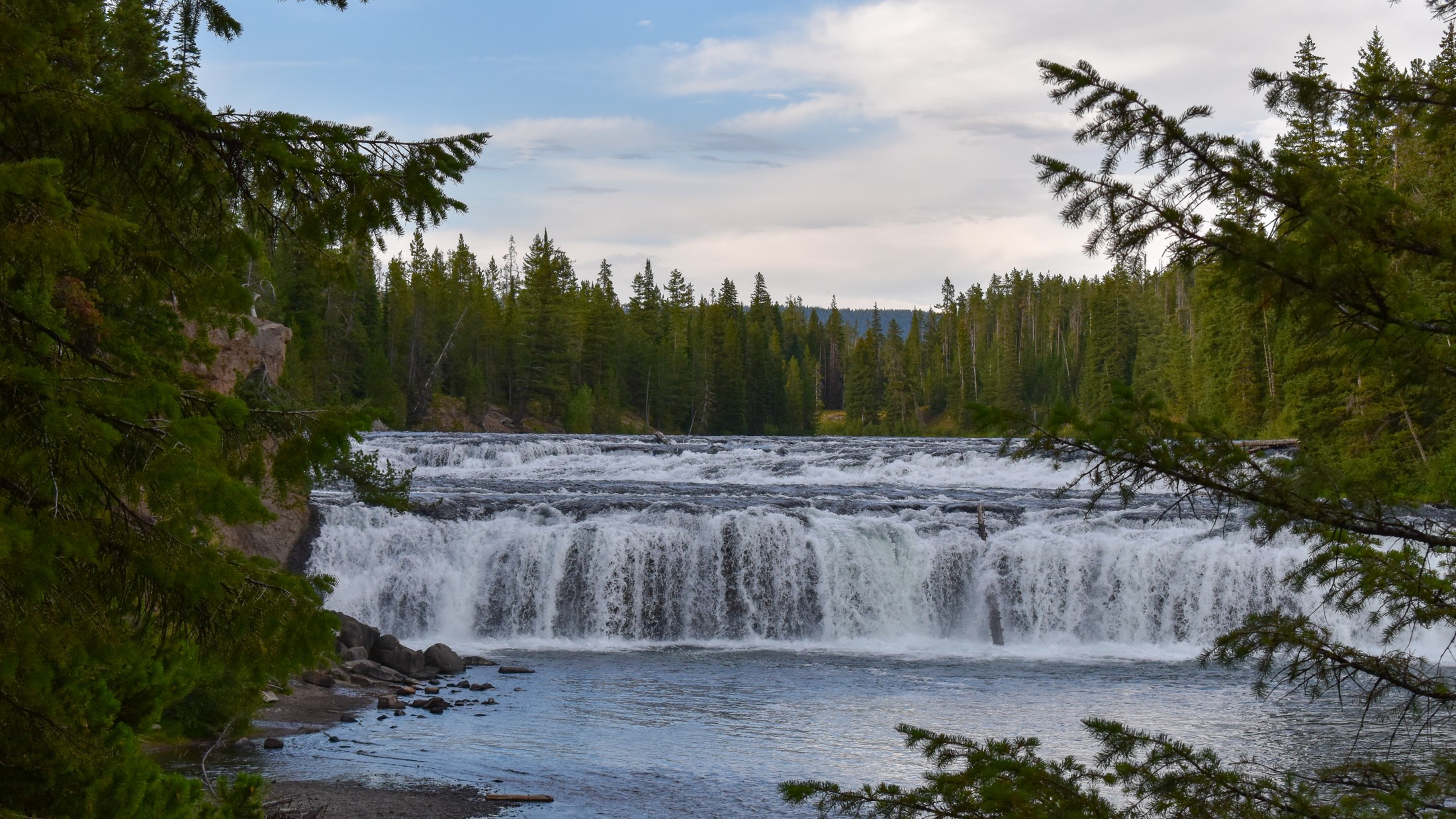
While the question of how smooth Cave Falls Road is matters, it is important to remember that the destination is truly spectacular. As you reach the end of the road, you are greeted by the roar of the Falls River. Unlike the vertical plunges seen elsewhere, Cave Falls is a wide, powerful curtain of water that cascades over a broad shelf.
Accessibility and Ease of Access
One of the best aspects of this location is how accessible it is once you arrive. The Cave Falls Trail is a short, easy walk from the parking area. This makes it an ideal stop for families with children or those who want to see a world-class waterfall without embarking on a grueling multi-day hike. The proximity to Yellowstone National Park also makes it an excellent side trip for those staying in West Yellowstone.

Connecting with Nature
Traveling through the Targhee National Forest provides a sense of solitude that is often harder to find within the crowded main entrances of Yellowstone. The road to the falls takes you through lush meadows and dense pine forests, offering ample opportunities for bird watching and spotting large mammals. By the time you reach the falls, the slight bumpiness of the gravel road will be a distant memory, replaced by the awe-inspiring sight of one of the widest waterfalls in the region. Whether you are driving a luxury rental or a well-loved adventure van, the path is manageable, and the reward is undeniably one of the highlights of Idaho.
LifeOutOfTheBox is a participant in the Amazon Services LLC Associates Program, an affiliate advertising program designed to provide a means for sites to earn advertising fees by advertising and linking to Amazon.com. Amazon, the Amazon logo, AmazonSupply, and the AmazonSupply logo are trademarks of Amazon.com, Inc. or its affiliates. As an Amazon Associate we earn affiliate commissions from qualifying purchases.