
Navigating the healthcare landscape can often feel like trekking through the rugged wilderness of the Sawtooth Mountains. For residents of Idaho, understanding how to access public health assistance is a vital step toward securing long-term well-being. Whether you are a local resident planning for your family’s future or a newcomer settling into cities like Boise or Coeur dAlene, the process of applying for Medicaid is designed to be systematic and accessible. By following a structured approach, you can ensure that your application for government-sponsored health coverage is handled with accuracy and efficiency.
Understanding Eligibility and Program Requirements
Before beginning the application process, it is essential to determine if you meet the baseline criteria set by the state. Medicaid in Idaho, often managed through the Idaho Department of Health and Welfare, is designed to provide coverage for low-income individuals, families, children, pregnant women, and the elderly or disabled.
Categorical Eligibility
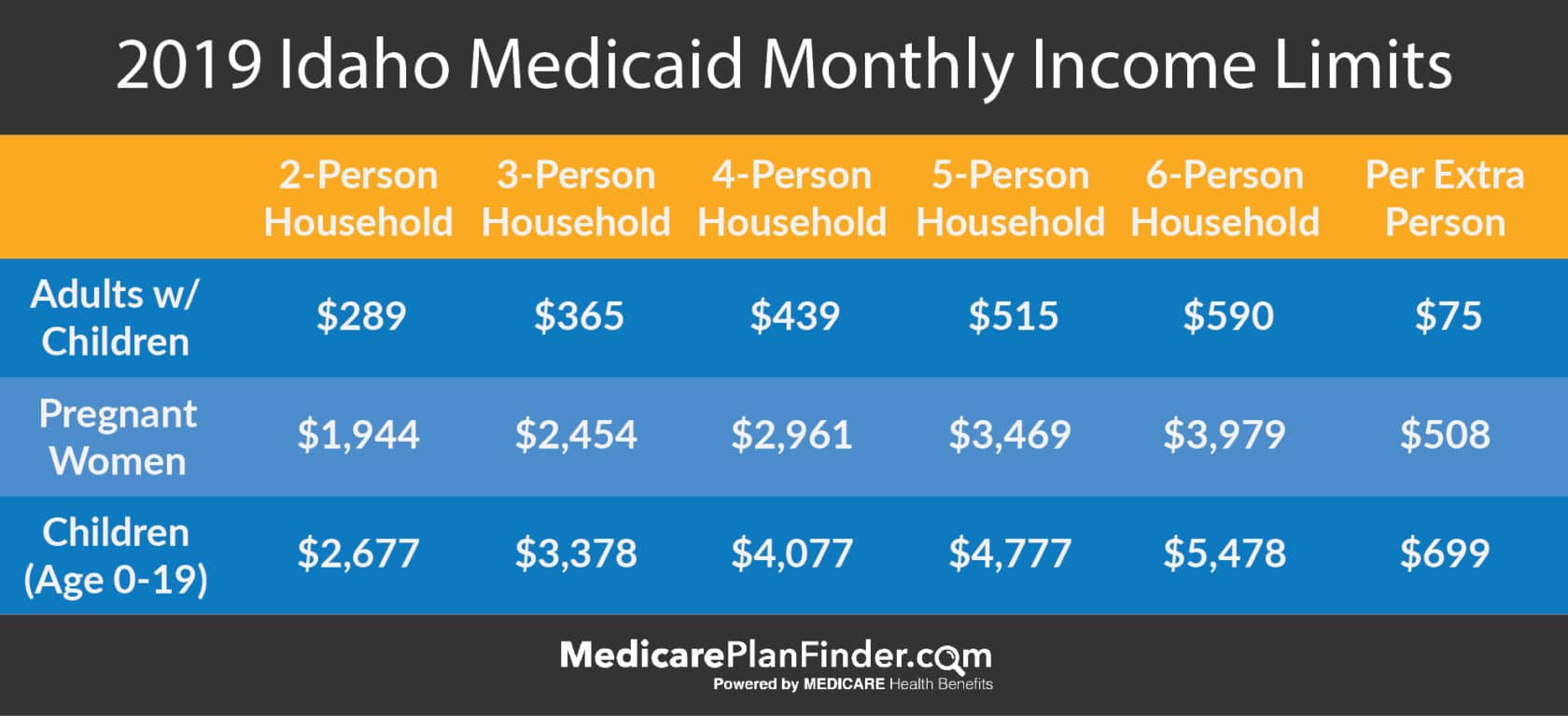
The state evaluates your eligibility based on several key factors, including your household size, age, and income level. For those residing near the scenic Snake River, the eligibility thresholds are adjusted annually to reflect the federal poverty level. It is important to note that Medicaid is not just for the unemployed; many working families in vibrant areas like Twin Falls or Idaho Falls qualify for coverage if their earnings fall within the mandated brackets.
Financial Thresholds
When calculating your income, the agency considers your “Modified Adjusted Gross Income” (MAGI). This includes most taxable income. If you are applying as a senior or an individual with a disability, the financial requirements may differ slightly, as the program considers your assets in addition to your monthly income. Keeping organized financial records—including pay stubs, tax returns, and bank statements—is the most effective way to expedite this phase of your application.
The Application Process: Step-by-Step
Once you have confirmed your potential eligibility, the next step involves submitting the necessary documentation to the state. Technology has made this transition much smoother for those living in both urban centers and the quiet, sprawling landscapes of Sun Valley.
Online Submission
The most efficient way to apply is through the Idalink portal. This digital gateway allows you to track your application status, upload sensitive documents securely, and communicate with case workers. By creating an account, you can revisit your progress at any time, which is particularly helpful if you need to gather additional documents like proof of residence or citizenship.
Paper-Based and In-Person Applications
While digital applications are encouraged, the state also provides options for those who prefer traditional methods. You may print an application form from the official website and mail it to your local field office. If you reside in historic towns near Craters of the Moon National Monument, you might find that visiting a regional office in person is the best way to ask specific questions about your unique situation. Field workers are trained to assist applicants in navigating the paperwork, ensuring that nothing is overlooked.
Documentation Requirements
To avoid delays in your eligibility determination, ensure you have the following items ready:
- Proof of Identity: A valid government-issued ID, such as a driver’s license from the Idaho Transportation Department.
- Citizenship Verification: A birth certificate or U.S. passport.
- Income Verification: Recent pay stubs or a letter from your employer.
- Residency Proof: Utility bills or a lease agreement that ties you to a physical address in the state.

Managing Your Benefits and Renewals
Receiving approval is the first milestone; maintaining your benefits requires active engagement with the system. Coverage is not always permanent, and you must adhere to periodic reporting requirements to keep your account in good standing.
The Renewal Cycle
Medicaid benefits typically require renewal once every twelve months. The Idaho Department of Health and Welfare will usually send a packet via mail or an alert through your digital portal well in advance of your renewal date. Ignoring this notification can lead to a lapse in coverage, which could be particularly disruptive for those utilizing frequent medical services in regions like Pocatello or Nampa.
Reporting Life Changes
If your household income changes, if you move, or if the size of your household increases, you are legally required to report these changes within a specific timeframe—usually within ten days. Failing to report significant shifts in your financial status can result in overpayment or the disqualification of benefits. Always update your account through the online portal immediately to ensure your case remains accurate.
Appeals and Advocacy
If you find that your application was denied, do not be discouraged. The state provides a formal appeals process. If you believe there has been a calculation error or a misunderstanding regarding your eligibility, you have the right to request a fair hearing. During this process, you may present additional evidence or testimony to support your claim. Many residents seek assistance from local legal aid organizations that specialize in public benefits to help navigate this bureaucratic layer of the process.
Essential Tips for a Smooth Experience
Applying for public assistance is a serious administrative task, but it does not have to be an overwhelming one. By maintaining a proactive attitude, you can move through the process with confidence.
Prepare for the Long Term
Consider the Medicaid application as a component of your long-term health strategy. If you are a resident of the Gem State, familiarizing yourself with the network of providers who accept Medicaid in your specific county is wise. Once approved, you will likely be assigned to a managed care plan. Researching which doctors, clinics, and hospitals in Lewiston or Moscow participate in your assigned plan will save you time later when you need to book an appointment.
Keep Records Organized
Maintain a dedicated folder—physical or digital—for all your interactions with the state. Store copies of your initial application, any correspondence regarding your case status, and records of your reported income changes. If you ever need to speak with a caseworker, having your “case ID” and historical documents ready will make the conversation significantly more productive.

Utilize Available Resources
You are not alone in this process. Community health centers often employ patient navigators whose sole job is to help people apply for Medicaid. These professionals understand the local nuances of Idaho healthcare regulations and can often clarify the “fine print” that might otherwise cause confusion. Whether you are living in the bustling capital or enjoying the quietude of the Salmon River valley, reaching out to local health resources can provide you with the support you need to ensure your application is submitted correctly the first time.
By taking the time to understand these steps, you are effectively securing a safety net that protects your health and your family’s future, allowing you to focus on the things that matter most while enjoying the beauty and community that defines the great state of Idaho.
LifeOutOfTheBox is a participant in the Amazon Services LLC Associates Program, an affiliate advertising program designed to provide a means for sites to earn advertising fees by advertising and linking to Amazon.com. Amazon, the Amazon logo, AmazonSupply, and the AmazonSupply logo are trademarks of Amazon.com, Inc. or its affiliates. As an Amazon Associate we earn affiliate commissions from qualifying purchases.