
Navigating the landscape of unemployment benefits requires a clear understanding of regional regulations and administrative procedures. While many associate Idaho with its stunning natural vistas and the rugged charm of the Rocky Mountains, the state also maintains a robust framework to support its workforce during periods of economic transition. Whether you are a professional in Boise or a seasonal worker in Sun Valley, understanding the eligibility criteria and the filing process is the first step toward financial stability.
Eligibility Requirements and Qualifying Criteria
Before initiating a claim, it is essential to determine if you meet the state-mandated criteria. The Idaho Department of Labor oversees the administration of these benefits, and they evaluate applicants based on specific monetary and non-monetary requirements.

Employment History and Wages
To qualify, you must have earned sufficient wages during a designated “base period”—generally the first four of the last five completed calendar quarters. This ensures that the insurance system is funded appropriately by the taxes paid by your previous employers. You must have worked and been paid for a specific amount of time, and your separation from the job must be due to no fault of your own.
Separation from Employment
“No fault of your own” is a critical distinction. If you were laid off due to a lack of work, a business closure, or a downsizing event, you are generally eligible. However, if you voluntarily quit without good cause or were terminated for misconduct, your eligibility may be challenged. In cases where you believe your termination was unjust, the state provides an appeals process, allowing you to present your side of the story before a hearing officer.
The Application Process: Filing Your Claim
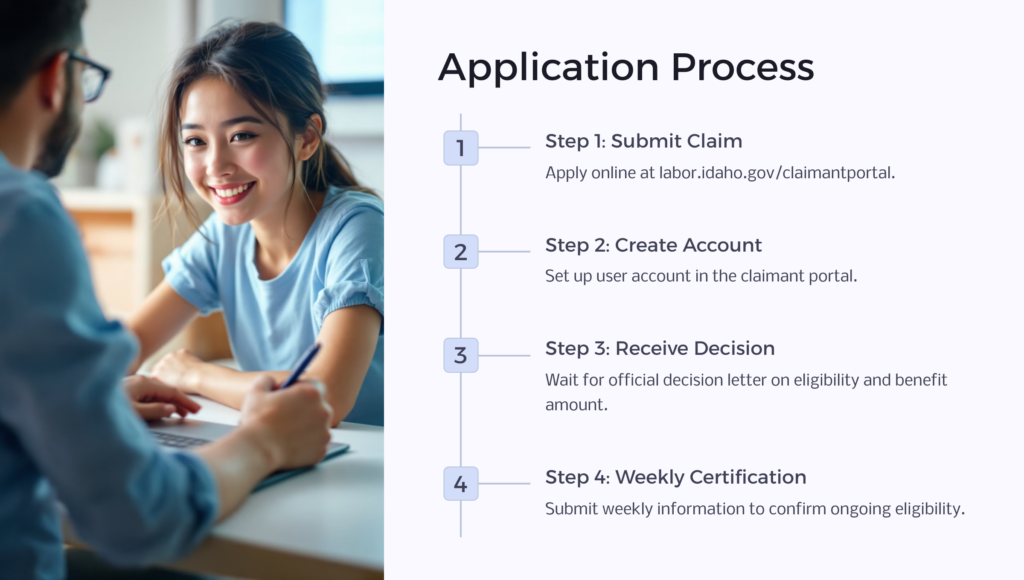
Once you have verified your eligibility, the next step is the actual filing of your claim. The process has been streamlined to accommodate digital access, recognizing that many residents may be moving between major hubs like Coeur d’Alene or Twin Falls in search of new opportunities.
Preparing Your Documentation
Preparation is key to a smooth application. Before logging into the portal, ensure you have the following information readily available:
- Your Social Security Number and driver’s license or state ID.
- The complete contact information for all employers you worked for in the last 18 months, including names, addresses, and phone numbers.
- Your separation details, including the exact dates of employment and the specific reason for your job loss.
- If you are not a U.S. citizen, your Alien Registration Number.
Filing Online vs. Telephone
The Idaho Department of Labor strongly encourages filing online through their dedicated claimant portal. This method is the most efficient, as it provides instant confirmation and allows you to track the status of your claim in real-time. For those who may have limited internet access or specific questions that require human intervention, the department also offers a toll-free telephone line. Regardless of the method chosen, consistency in your information is vital to prevent delays in processing.
Maintaining Your Benefits and Weekly Reporting

Filing the initial claim is merely the beginning. To continue receiving benefits, you must adhere to a strict schedule of weekly certifications. This is a common point of confusion for new claimants, and failure to report on time can lead to a cessation of payments.
The Weekly Certification Process
Every week that you remain unemployed, you are required to submit a weekly claim. This report confirms that you are still unemployed, that you are physically and mentally able to work, and that you are actively seeking employment. You must report any earnings from part-time work or side hustles during the week, as these may offset the benefit amount you receive.
Active Work Search Requirements
Idaho law mandates that claimants remain attached to the labor market. This means you cannot simply wait for a new position to find you. You are expected to conduct a reasonable number of work searches each week. This includes:
- Submitting job applications to companies relevant to your skill set.
- Networking with professional contacts or attending career fairs in hubs like Pocatello or Idaho Falls.
- Utilizing the state’s official job board to match your profile with local employers.
- Keeping a detailed log of every company contacted, the date of contact, and the outcome, as you may be audited by the department at any time.
Navigating Challenges and Appeals
The system is not always straightforward, and disagreements regarding benefit eligibility can arise. If your claim is denied or if you disagree with a decision regarding your benefit amount, you have the right to appeal.
Understanding the Denial
A denial of benefits typically arrives in the form of a formal “Determination of Eligibility.” This document will outline exactly why your claim was rejected. Do not panic if this occurs; it is a standard part of the administrative process. Carefully read the reasoning, as it may be based on a simple clerical error or a misunderstanding of your separation reason.
The Appeals Hearing
If you choose to appeal, you must do so within the timeframe specified in your determination letter. The process involves a hearing before an appeals examiner. During this hearing, both you and your former employer will have the opportunity to provide evidence, testimonies, and documents to support your respective cases. It is professional practice to gather all emails, severance agreements, and performance reviews before the hearing date. Representing yourself is common, but you may also choose to have an advocate assist you if you feel the situation is particularly complex.
Financial Planning During Unemployment
While waiting for your benefits to process, it is vital to manage your finances with care. Unemployment serves as a temporary bridge rather than a permanent solution, and utilizing the resources available through local workforce development centers can help you shorten the duration of your unemployment.
Resource Utilization
Idaho offers several Workforce Development Centers that provide more than just unemployment support. These centers often feature workshops on resume writing, interview techniques, and industry-specific training programs. For those looking to pivot their career paths, these resources can be invaluable. Even if you are an expert in your field, the market is constantly evolving. Staying current with local industry trends, whether in the tourism sector near Yellowstone National Park or the agricultural landscape of the Snake River Plain, is essential for long-term career resilience.
Conclusion
Claiming unemployment benefits in Idaho is a structured, rights-based process designed to provide security during transitions. By staying organized, adhering to weekly reporting deadlines, and maintaining an active search for employment, you can maximize your chances of a successful outcome. Remember that the system is there to support you; by approaching it with diligence and transparency, you can navigate your period of unemployment effectively and emerge ready for your next professional chapter. Regardless of whether you live in the shadow of the Sawtooth Mountains or near the bustling urban centers, keep your documentation secure, stay proactive in your job search, and utilize the state’s employment resources to your full advantage.
LifeOutOfTheBox is a participant in the Amazon Services LLC Associates Program, an affiliate advertising program designed to provide a means for sites to earn advertising fees by advertising and linking to Amazon.com. Amazon, the Amazon logo, AmazonSupply, and the AmazonSupply logo are trademarks of Amazon.com, Inc. or its affiliates. As an Amazon Associate we earn affiliate commissions from qualifying purchases.