
When you walk into a grocery store in Boise or visit a high-end restaurant in New York City, the term “Idaho Potato” carries a certain weight. It is more than just a label on a sack of starchy vegetables; it is a mark of quality recognized globally. But what exactly defines an Idaho potato, and why does this specific agricultural product hold such a prestigious place in American culinary culture?
The answer lies in a unique convergence of geology, climate, and meticulous farming practices that occur nowhere else on Earth. To understand the Idaho potato, one must look beyond the kitchen and into the volcanic landscapes of Idaho.

The Geological and Climatic Secrets of the Snake River Plain
The prestige of the Idaho potato is inextricably linked to the geography of the Snake River Plain. This vast, crescent-shaped region is the backbone of the state’s agricultural industry. The soil here is not merely dirt; it is a mineral-rich tapestry formed by millions of years of volcanic activity.
Volcanic Soil and Mineral Density
The ancient lava flows that shaped the landscape eventually weathered into nutrient-dense, volcanic soil. This soil provides the perfect environment for potatoes to thrive. It is light, porous, and aerated, which allows the potato tubers to expand without resistance. This structural ease of growth, combined with high levels of potassium and other essential minerals, results in a potato that is remarkably uniform in shape and texture.
The Thermal Advantage
Potatoes are sensitive to temperature fluctuations. Idaho offers a “Goldilocks” climate that is ideal for tuber development. During the growing season, the state experiences warm, sunny days that promote photosynthesis, followed by cool nights that slow the plant’s respiration. This cycle forces the plant to store its energy—the starch—directly into the tuber rather than burning it off to maintain body heat. This is why Idaho potatoes have a higher starch-to-water ratio than potatoes grown in more humid or warmer climates, giving them that signature “fluffy” interior when baked.
Understanding the “Idaho Potato” Certification
Not every potato grown within the borders of the state is automatically entitled to carry the coveted brand name. There is a distinct difference between a potato grown in Idaho and an “Idaho Potato.”
The Idaho Potato Commission
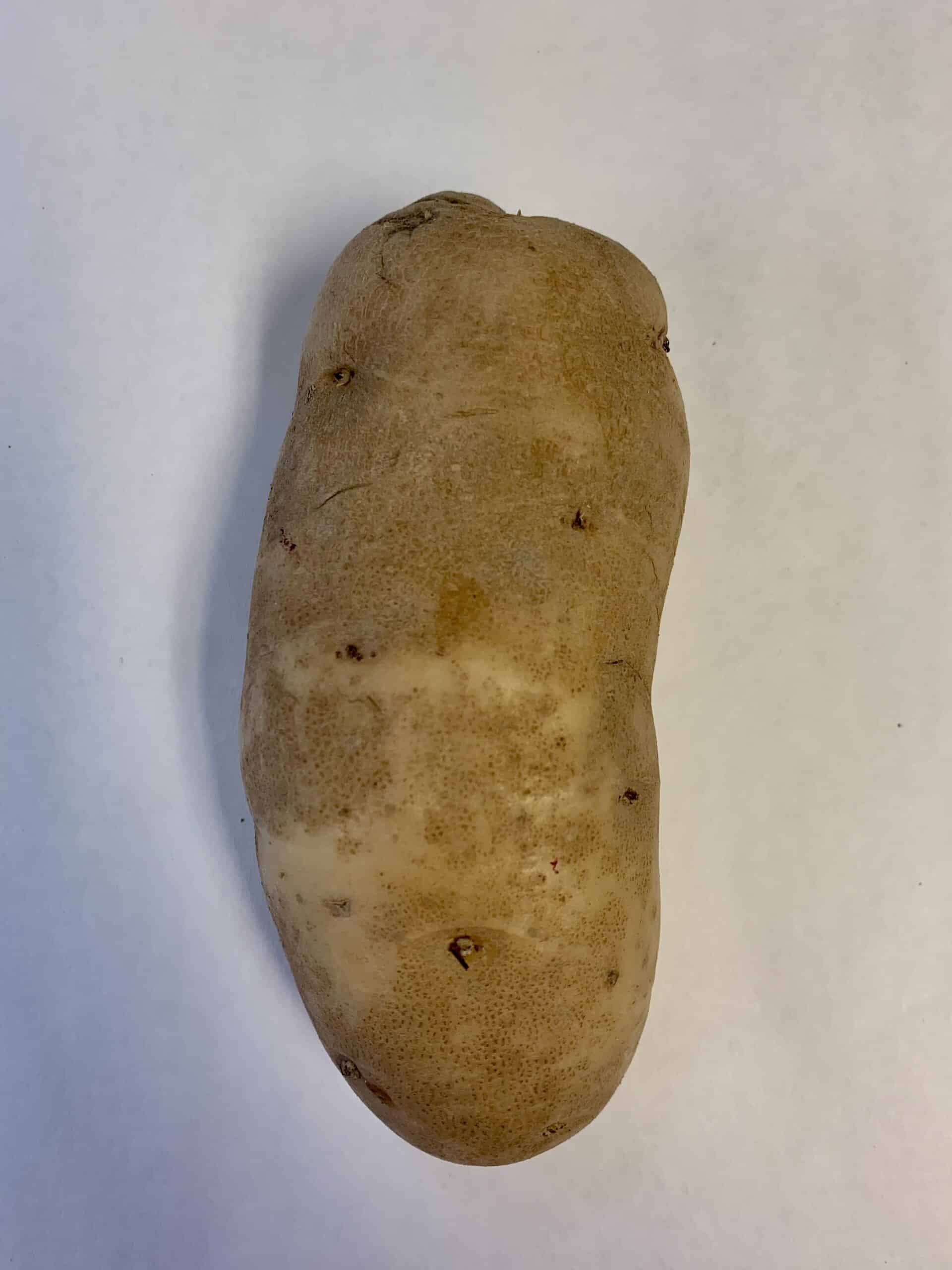
The Idaho Potato Commission serves as the primary guardian of this reputation. This organization oversees the certification marks and ensures that any product bearing the “Grown in Idaho” seal meets rigorous quality standards. They focus on maintaining the prestige of the Russet Burbank variety, which is the quintessential Idaho potato known for its brown, netted skin and white, mealy flesh.
Varietal Diversity
While the Russet Burbank is the undisputed king, the state also produces a wide array of other varieties, including Yukon Golds, Reds, and specialty fingerlings. However, the designation is strictly monitored to ensure that the consumer receives the high level of consistency they expect. Whether you are in Los Angeles or Chicago, when you buy a bag labeled with the Idaho seal, you are buying a product that has undergone stringent inspection for size, shape, and internal quality.
Culinary Excellence: Why Chefs Choose Idaho
For professional chefs and home cooks alike, the Idaho potato is the gold standard for specific culinary applications. Its physical properties make it the most reliable ingredient for a variety of classic dishes.
The Art of the Baked Potato
The high starch content is the secret to a perfect baked potato. When exposed to heat, the starch granules expand and rupture, creating that light, airy texture that absorbs butter, sour cream, and chives perfectly. Potatoes with higher water content tend to be “waxy” or “gummy,” which prevents the fluffy texture desired in a baked potato. In Paris or Tokyo, chefs often look specifically for high-starch tubers because they provide the reliable texture needed for sophisticated preparations.
Superior Frying and Mashing
Beyond baking, the Idaho potato’s low moisture content makes it the premier choice for frying. Because there is less water to turn into steam, the exterior can crisp up perfectly while the interior remains tender. This is why the industry standards for French fries almost always cite Idaho-grown tubers. Similarly, for mashed potatoes, the ability of the potato to break down into a smooth, cloud-like consistency is a direct result of its unique growing conditions in the American West.
Cultural Significance and Tourism
The impact of the potato extends far beyond the plate; it is a cornerstone of the state’s cultural identity. In towns like Blackfoot, which is often referred to as the “Potato Capital of the World,” the spud is celebrated as a cultural icon.
The Idaho Potato Museum
A trip to the Idaho Potato Museum reveals the deep historical connection between the land and the people. Visitors can explore the history of potato farming, see antique agricultural equipment, and even view the world’s largest potato chip. This museum provides a fascinating look at how a simple agricultural product shaped the growth of North America.
Farm-to-Table Tourism
As interest in culinary tourism grows, many travelers are looking to visit the source of their food. Agricultural tours through the Snake River Plain offer a unique look at how technology, irrigation, and traditional knowledge combine to sustain this massive industry. Visitors can explore the vast fields, learn about the irrigation systems that carry water from the Rocky Mountains, and understand the lifecycle of the crop.
A Global Ambassador
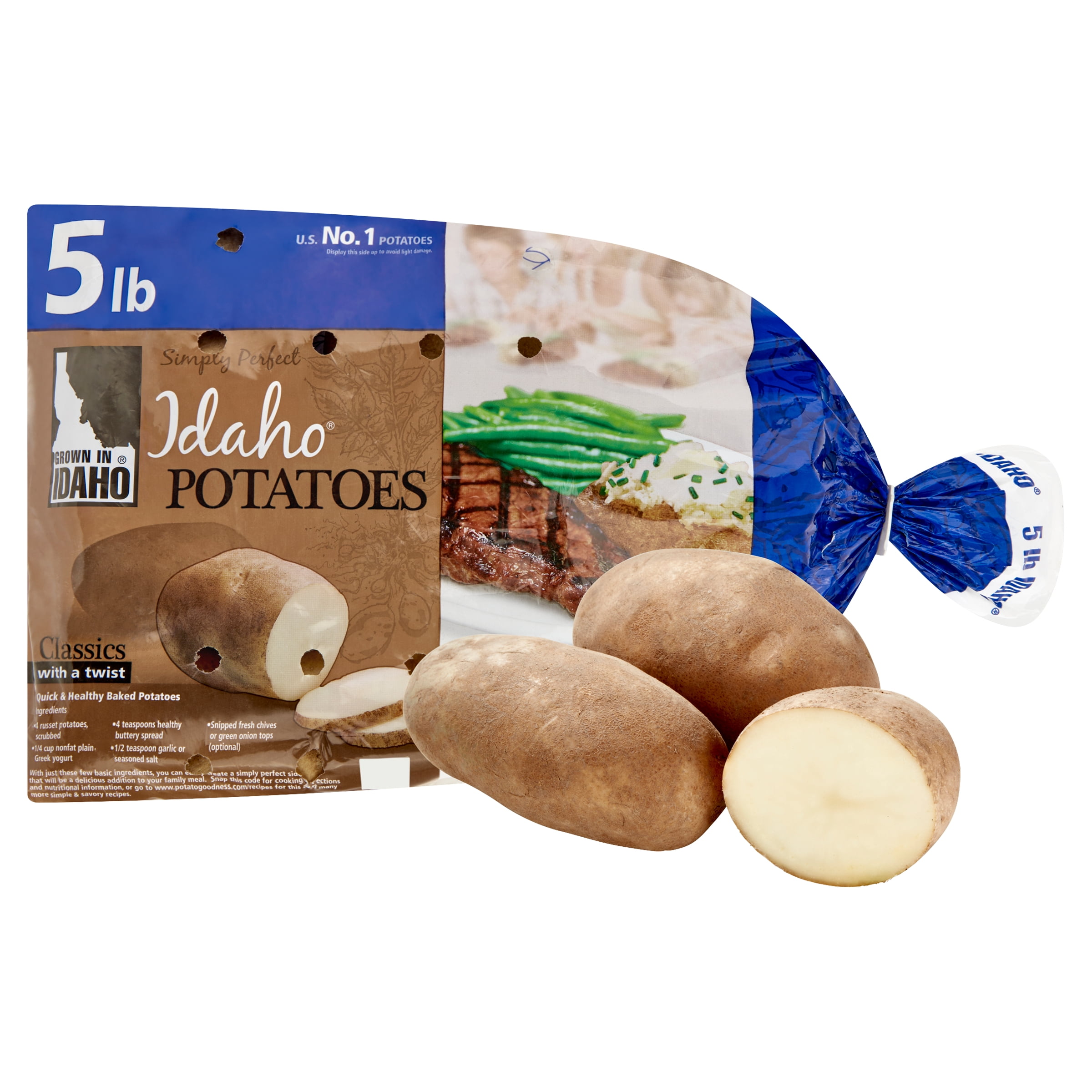
The Idaho potato has become a global ambassador for the state. When international tourists visit United States supermarkets, they often seek out Idaho potatoes as a culinary souvenir. It is a rare instance where a specific agricultural brand has transcended its commodity status to become a recognized household name across several continents.
From the volcanic soils of the high desert to the kitchens of the world’s finest hotels and restaurants, the Idaho potato represents a perfect harmony of environment and industry. It is a testament to how human stewardship, when paired with the right natural conditions, can create a product that remains unmatched in its field. Whether you are enjoying a classic twice-baked potato or simply frying them at home, you are participating in a tradition that spans generations and defines a significant portion of the Pacific Northwest culinary experience. By choosing an Idaho potato, you are not just selecting an ingredient; you are selecting a piece of agricultural heritage that has earned its place on the world stage.
LifeOutOfTheBox is a participant in the Amazon Services LLC Associates Program, an affiliate advertising program designed to provide a means for sites to earn advertising fees by advertising and linking to Amazon.com. Amazon, the Amazon logo, AmazonSupply, and the AmazonSupply logo are trademarks of Amazon.com, Inc. or its affiliates. As an Amazon Associate we earn affiliate commissions from qualifying purchases.