
When planning a trip to the rugged landscapes of the American West, travelers often focus on booking their stays at a charming Boise boutique hotel or mapping out a route through the majestic Sawtooth Mountains. However, understanding the fiscal landscape—specifically the sales and lodging taxes—is an essential part of budgeting for your Idaho adventure. While state tax systems are primarily the concern of residents, visitors contribute to the state’s infrastructure and tourism economy through various consumption taxes. Navigating these costs ensures that your travel budget remains intact while you explore the Gem State.
Understanding Sales and Travel Tax in Idaho
In Idaho, the state imposes a general sales tax that applies to a wide range of goods and services. For tourists, this is most frequently encountered at restaurants, retail shops, and when purchasing souvenirs from a local craft store in Sun Valley.
The Base Sales Tax Rate
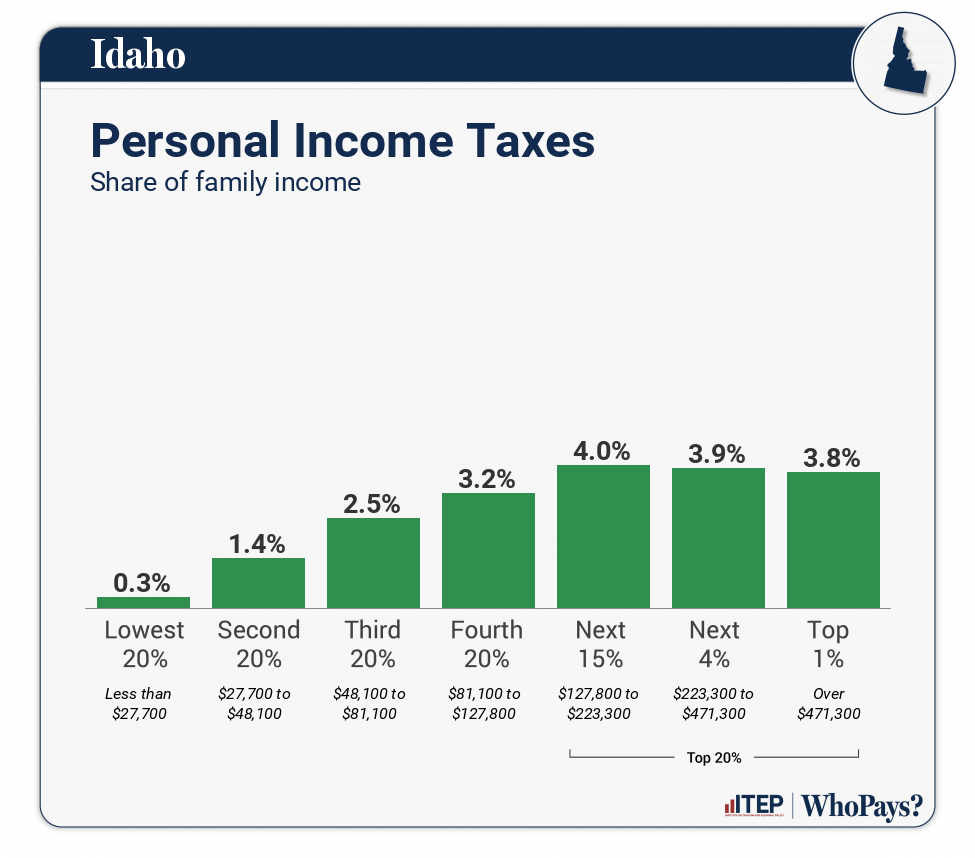
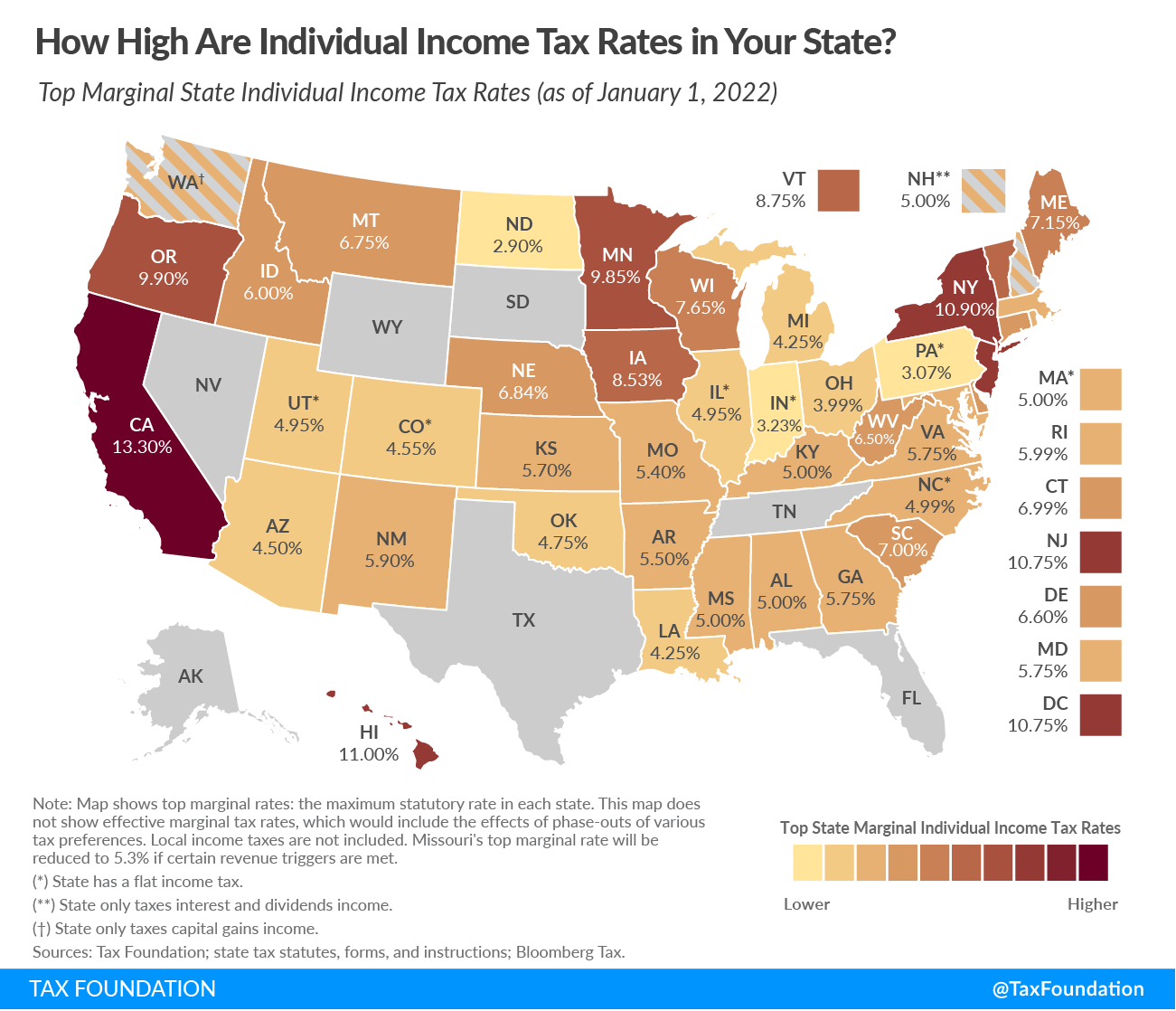
The standard sales tax rate for the state is 6%. This rate is applied to the retail price of most tangible personal property and certain services. It is important to remember that this is a state-level baseline. When you are sitting down for a meal in Coeur d Alene or purchasing gear for a trek through Hells Canyon, you may notice that the total at the bottom of your receipt is slightly higher than the listed price. This difference is almost always accounted for by state and, in some cases, local option taxes.
Local Option Taxes
Beyond the state’s 6%, some municipalities utilize a “local option tax.” Popular tourist destinations, such as Ketchum or Stanley, may impose additional taxes to fund public services, tourism promotion, and infrastructure maintenance. These taxes are specifically designed to help resort communities manage the influx of visitors who utilize local roads, parks, and emergency services during the peak ski or summer hiking seasons.
Taxes on Lodging and Accommodations
For travelers, the most significant “tax” experience usually occurs at check-out. Whether you are staying at an upscale lodge near Redfish Lake or a budget-friendly suite in Twin Falls, your final bill will include specific levies related to overnight stays.
The Travel and Convention Tax
In addition to the standard sales tax, Idaho imposes a dedicated Travel and Convention Tax on hotel rooms, vacation rentals, and campsites. This tax is specifically earmarked to promote the state as a premier travel destination. By staying in a hotel, you are directly contributing to the advertising and promotional campaigns that highlight the natural beauty of the Snake River and the cultural depth of Moscow.
Auditorium District Taxes
In larger cities like Boise, you might encounter an “auditorium district tax.” These are applied to lodging to help fund the construction and maintenance of convention centers, arenas, and other public venues. If your travel itinerary involves attending a conference or a major sporting event at one of these facilities, the tax paid on your hotel stay is effectively an investment in the amenities that make those events possible.
Budgeting for Your Idaho Trip
Managing your finances while traveling doesn’t have to be a source of stress. By being aware of these extra costs upfront, you can allocate your funds more effectively, ensuring you have enough set aside for a fine dining experience in Idaho Falls or a guided fly-fishing excursion.
Tips for Estimating Total Costs
- Factor in the “Hidden” Percentage: When looking at online booking engines for resorts in McCall, the base nightly rate often excludes taxes and resort fees. A safe rule of thumb is to add 10% to 15% to your base lodging quote to account for combined state sales tax, local option tax, and auditorium district fees.
- Check Local Ordinances: If you are planning an extended stay in a specific town, a quick search on the city’s official tourism website can reveal whether a local option tax is in effect. This is particularly relevant if you are booking long-term via a vacation rental platform, as tax policies can sometimes differ from traditional hotel structures.
- Plan for Retail: Keep in mind that outdoor gear shops, which are abundant near Craters of the Moon National Monument, will charge the full 6% sales tax on equipment purchases. If you are planning to buy significant gear, consider these costs as part of your total trip budget.
Why Tourism Taxes Matter
It is helpful to view these taxes as a way of preserving the very things you came to see. Idaho relies on tourism to maintain the trails, visitor centers, and public facilities that make places like Shoshone Falls accessible and pristine. When you pay your hotel bill or purchase a souvenir, you are indirectly supporting the conservation efforts that protect the wilderness for future generations.
Navigating Exemptions and Special Circumstances
While most transactions involving tourists are taxable, there are nuances worth noting. For example, some long-term stays (often defined as stays exceeding 30 consecutive days) may qualify for a tax exemption. If you are a digital nomad planning to spend a month or more working from a loft in Nampa, inquire with the property manager about potential tax exemptions for long-term residency.
Furthermore, keep in mind that Idaho does not have a “tourist tax” in the sense of a personal tax on visitors; rather, the tax is on the transaction. You are not taxed for the act of visiting, but for the act of consuming goods and services. This distinction is important for those who might be worried about complex filing requirements. As a traveler, you are simply paying the tax at the point of sale, just as you would for a coffee or a tank of gas.
Final Reflections on Travel Planning
When you step off the plane in Boise or drive across the state line, Idaho opens up a world of adventure. From the high desert plains to the dense, pine-covered forests of the north, the state offers a unique mix of urban culture and untamed nature. By understanding how the tax system works, you move from being a casual tourist to an informed traveler. You are better equipped to enjoy your stay at a luxury resort, dine in excellent local restaurants, and support the vibrant communities that make this region so special.
Ultimately, a successful trip to Idaho is about preparation. When your budget accounts for the small percentage of taxes required for travel, you can focus on what truly matters: the crisp air, the breathtaking mountain vistas, and the unforgettable experiences that await in the heart of the American West. Pack your bags, plan your route, and enjoy the peace of mind that comes with knowing exactly how to navigate the costs of your journey.
LifeOutOfTheBox is a participant in the Amazon Services LLC Associates Program, an affiliate advertising program designed to provide a means for sites to earn advertising fees by advertising and linking to Amazon.com. Amazon, the Amazon logo, AmazonSupply, and the AmazonSupply logo are trademarks of Amazon.com, Inc. or its affiliates. As an Amazon Associate we earn affiliate commissions from qualifying purchases.