
Planning a trip to Boise, the capital of Idaho, requires more than just checking a calendar; it requires an understanding of its distinct, four-season semi-arid climate. Nestled in the high desert of the Pacific Northwest, this vibrant city experiences a wide range of temperatures and conditions, each offering its own set of opportunities for outdoor adventure, cultural exploration, and scenic relaxation. Whether you are aiming to hike the Boise Foothills in the spring or explore the urban charm of Downtown Boise during the snowy winter, knowing what to expect from the skies is the key to a successful itinerary.
The Seasonal Rhythm of the Treasure Valley
The weather patterns in Boise are heavily influenced by its geography. Situated in the Treasure Valley, the city is sheltered by mountain ranges, which creates a relatively dry environment with plenty of sunshine.
Spring: A Season of Renewal and Bloom
As winter releases its grip, Boise begins to wake up. March through May represents a period of transition. Temperatures start to climb from the crisp chill of late winter into the mild, pleasant warmth of early summer. During this time, daytime highs typically hover between 55°F and 75°F. Rain is slightly more frequent during the spring months, but it rarely persists for long, leaving behind lush, green landscapes that make the Boise River Greenbelt a paradise for joggers and cyclists.
Summer: Golden Days and High-Desert Heat
Summers in the Treasure Valley are characterized by long, sun-drenched days and cool, refreshing nights. It is not uncommon for temperatures to soar into the 90s, or occasionally reach triple digits, during July and August. However, due to the low humidity, the heat remains manageable and rarely feels oppressive compared to more humid climates. The lack of rainfall during the summer months makes it the ideal time for water-based activities. Locals and visitors alike flock to the Boise River for floating, or head up to the nearby Bogus Basin mountain recreation area, where the elevation provides a welcome reprieve from the heat of the valley floor.
Autumn: Crisp Air and Golden Hues
For many, autumn is the crowning jewel of the Idaho weather cycle. Starting in September, the temperatures begin to moderate, dropping back into the comfortable 60s and 70s. The crisp, clear air is perfect for exploring the Idaho Botanical Garden as the leaves change color. By October and November, the mornings grow brisk and cool, signaling the approach of winter. It is a time of harvest, local festivals, and scenic drives through the surrounding mountain passes.
Winter: A Quiet, Snowy Retreat
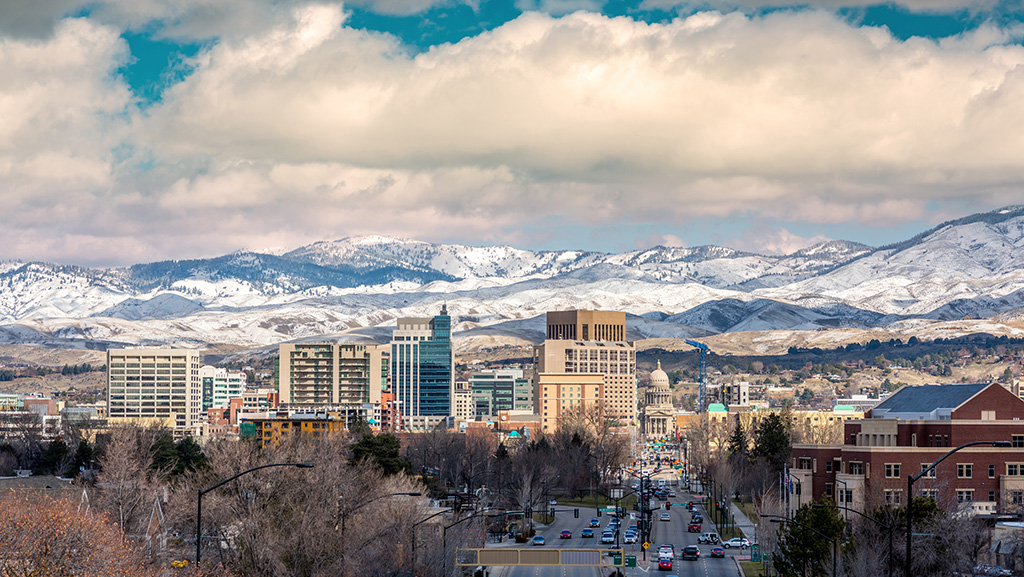
Winters in Boise offer a classic cold-weather experience. While the city does not see the extreme, biting temperatures of the higher Rocky Mountains, it does experience regular snowfall. December and January are the coldest months, with average highs in the mid-30s to low-40s. The city transforms into a picturesque winter scene, especially near the Idaho State Capitol, where the holiday lights glow against the snowy backdrop. While the valley floor may occasionally face “inversions”—a weather phenomenon where cold, foggy air gets trapped—the nearby peaks remain a hub for skiing, snowboarding, and snowshoeing enthusiasts.

Navigating the Weather for Travel Success
Understanding the climate is essential for packing appropriately. The term “layering” is the golden rule of Idaho travel. Regardless of the season, the high-desert climate often features significant temperature fluctuations between day and night.
Strategic Packing Tips
- Spring and Fall: Pack lightweight jackets, long-sleeve shirts, and comfortable walking shoes. Even on warm days, the wind can pick up, so having a windbreaker or a fleece layer is always wise.
- Summer: Prioritize breathable fabrics, sunscreen, and polarized sunglasses. The sun is intense at this altitude, and staying hydrated is critical. Do not forget to bring a light sweater or jacket for the cooler evenings if you plan on attending outdoor concerts or dining at restaurants in Downtown Boise.
- Winter: Bring heavy coats, thermal base layers, gloves, and hats. If you are planning on heading to Bogus Basin, ensure you have waterproof gear and proper footwear to navigate icy patches on city sidewalks.
Weather-Dependent Activities
If you are visiting Boise specifically for outdoor recreation, keep an eye on local forecasts, particularly in the shoulder seasons. Spring storms can impact trail conditions in the Boise Foothills, while early winter snows can close high-mountain passes. By checking local, reputable weather stations, you can adjust your plans to ensure you stay safe while enjoying the beautiful terrain.
Why the Climate Makes Boise a Year-Round Destination
The diversity of the weather is a core component of the lifestyle in the Pacific Northwest. Boise is unique because it offers a perfect balance. You get the distinct seasons that allow for a change in scenery and activity throughout the year, yet you are rarely locked inside for months on end due to extreme, unlivable weather.
The Influence of Geography
The protection provided by the surrounding Rocky Mountains acts as a natural buffer, moderating the weather systems that move across the continent. This geography is what allows the Treasure Valley to support such diverse agriculture and a booming outdoor culture. The weather is not just a backdrop; it is a catalyst for the local culture. When the sun shines, the city comes alive with outdoor dining, farmers’ markets, and festivals. When the snow falls, the community pivots toward winter sports and cozy gatherings in the many cafes and craft breweries found throughout the metropolitan area.

Maximizing Your Visit
To truly appreciate Boise, consider the type of trip you are looking for. If you prefer long, active days of hiking and river recreation, target the window between June and early September. If you enjoy the tranquility of nature, crisp walks, and thinner crowds, the months of May or October are exceptional. For those who love the magic of winter lights, hot cocoa, and the proximity to world-class skiing, a visit in December or January will not disappoint.
Regardless of when you choose to arrive, Boise rewards those who are prepared for its natural rhythm. It is a city that embraces every season with open arms, providing a scenic, ever-changing environment that keeps visitors returning to explore the Treasure Valley time and time again. By respecting the climate and planning your activities around the natural forecast, you will find that the weather in Idaho is not a hurdle, but a highlight of your travel experience. From the blooming Boise River Greenbelt in the spring to the snow-dusted slopes of Bogus Basin in the winter, the weather remains an integral part of the city’s charm.
LifeOutOfTheBox is a participant in the Amazon Services LLC Associates Program, an affiliate advertising program designed to provide a means for sites to earn advertising fees by advertising and linking to Amazon.com. Amazon, the Amazon logo, AmazonSupply, and the AmazonSupply logo are trademarks of Amazon.com, Inc. or its affiliates. As an Amazon Associate we earn affiliate commissions from qualifying purchases.