
Navigating the temporal landscape of Idaho requires more than just a quick glance at a smartphone. For travelers planning an itinerary that stretches from the rugged northern panhandle down to the high desert landscapes of the south, understanding the state’s dual-time-zone structure is essential. Whether you are trekking through the Bitterroot Range or wine tasting in the Snake River Valley, knowing the local time ensures you never miss a sunrise hike or a dinner reservation.
Understanding Idaho’s Geographic Time Division
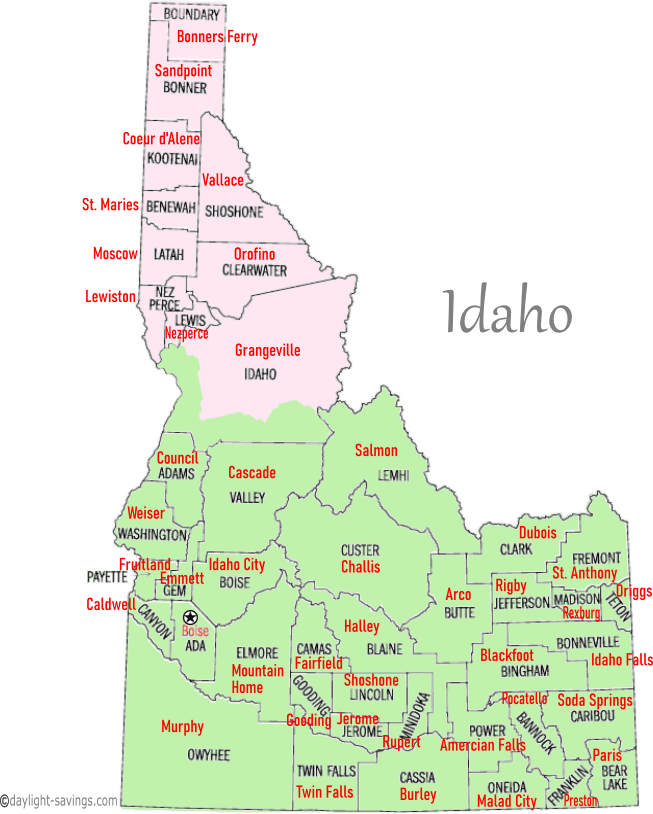
While many states in the United States adhere to a single time zone, Idaho is split between Mountain Time and Pacific Time. This geographical anomaly is defined by the Salmon River, which acts as the unofficial divider for the vast majority of the state’s northern reaches.
The Mountain Time Zone
Most of the state, including the capital city of Boise and the adventure hub of Sun Valley, operates on Mountain Standard Time (MST) or Mountain Daylight Time (MDT). This region encompasses the vast majority of the state’s central, eastern, and southern landmass. When traveling through cities like Idaho Falls or visiting the iconic Craters of the Moon National Monument, you remain firmly within this zone.
The Pacific Time Zone
The northern portion of the state—specifically the Idaho Panhandle—follows Pacific Standard Time (PST) or Pacific Daylight Time (PDT). This includes cities such as Coeur d’Alene, Sandpoint, and Moscow. If you are driving north from Lewiston toward the Canadian border, you are traveling through this western time zone. Travelers transitioning between Boise and Coeur d’Alene must adjust their clocks by one hour, a detail that is frequently overlooked by those relying solely on GPS navigation.
Navigating Seasonal Changes and Daylight Savings
Like most of the country, Idaho observes Daylight Saving Time (DST). This biannual shift impacts the length of daylight, which is particularly noticeable given the state’s northern latitude.
The Impact on Outdoor Recreation
For outdoor enthusiasts, understanding the time zone is a matter of safety and logistics. If you are planning an excursion to Sawtooth National Forest or a whitewater rafting trip on the Payette River, your “golden hour” for photography or the safest time to descend from a mountain summit depends heavily on the seasonal time shift.

During the summer months, the sun sets quite late, sometimes as late as 10:00 PM in the northern reaches of the Idaho Panhandle. Conversely, during the winter, the sun can disappear by 4:30 PM. Being aware of these shifts prevents travelers from finding themselves deep in the wilderness of the Frank Church-River of No Return Wilderness as darkness falls unexpectedly.
Travel Logistics and Scheduling
If your trip involves regional flights, particularly between Boise Airport and Coeur d’Alene Airport, pay close attention to your ticket. Airlines automatically adjust for the time zone change, but travelers often experience “temporal jet lag” when moving between these two distinct areas. Always verify your departure time against the local clock of the city you are currently occupying.
Strategic Trip Planning Across Time Zones
Creating a seamless itinerary in Idaho requires a bit of logistical finesse, especially if your goal is to experience the diverse topography the state offers.
North to South Itinerary Considerations
Many tourists prefer to start their journey in the north, perhaps taking in the views at Lake Coeur d’Alene, before heading south toward the high-desert landscapes near Twin Falls. Because you are crossing from the Pacific Time Zone into the Mountain Time Zone, you will “lose” an hour during your drive south. If you have a firm check-in time at a resort like Shore Lodge in McCall, plan for this missing hour to avoid arriving late.
The Value of Local Time Awareness
When interacting with local businesses, outfitters, or tour operators, remember that the time zone is culturally significant. A resident in Sandpoint lives on a different schedule than someone in Pocatello. When booking guided tours, such as a trip to the Shoshone Falls or a visit to the Museum of Idaho, confirm the time zone with the vendor to ensure you are synchronized with their operating hours.

Essential Tips for the Time-Conscious Traveler
To ensure your journey through the Gem State remains stress-free, consider these tactical tips for managing the shift between time zones.
- Sync Your Devices: Ensure your smartphone is set to “Update Automatically” for time and date. However, keep a manual backup or a traditional wristwatch if you plan on visiting remote areas like the Selway-Bitterroot Wilderness where cellular service—and thus, automatic time updates—may be unreliable.
- The Check-In Rule: When booking accommodation in border regions or areas near the Salmon River, always call the property to verify their time zone. A misunderstanding can result in missed check-in windows, especially for smaller boutique lodges.
- Border Crossings: While Idaho is a single state, the time zone boundary effectively acts as a domestic border. Keep your schedule flexible on travel days where you transition between the northern and southern regions.
- Utilize Local Resources: Websites of local chambers of commerce, such as those in Ketchum or Sun Valley, often display the current local time prominently. If you are ever unsure, a quick check of a local site is more accurate than relying on a global clock app that may be misconfigured.
Traveling through this diverse state is an exercise in both geography and timing. From the dense forests of the Panhandle National Forests to the high-desert plains of the Snake River Plain, Idaho rewards the prepared traveler. By respecting the nuances of the Mountain and Pacific time zones, you ensure that your time in the American West is spent exactly where it counts: enjoying the breathtaking landscapes and vibrant culture that make this state a premier destination.
LifeOutOfTheBox is a participant in the Amazon Services LLC Associates Program, an affiliate advertising program designed to provide a means for sites to earn advertising fees by advertising and linking to Amazon.com. Amazon, the Amazon logo, AmazonSupply, and the AmazonSupply logo are trademarks of Amazon.com, Inc. or its affiliates. As an Amazon Associate we earn affiliate commissions from qualifying purchases.