
The image of the American West often includes the majestic, elusive mountain lion, also known as the cougar or puma. While many associate these apex predators with the rocky slopes of the Rocky Mountains or the deep forests of the Pacific Northwest, the question of their presence in the rolling plains of the Great Plains is a frequent subject of curiosity for residents and travelers alike. As Kansas continues to balance its agricultural heritage with its wild spaces, understanding the status of the mountain lion is essential for anyone venturing into the state’s natural areas.
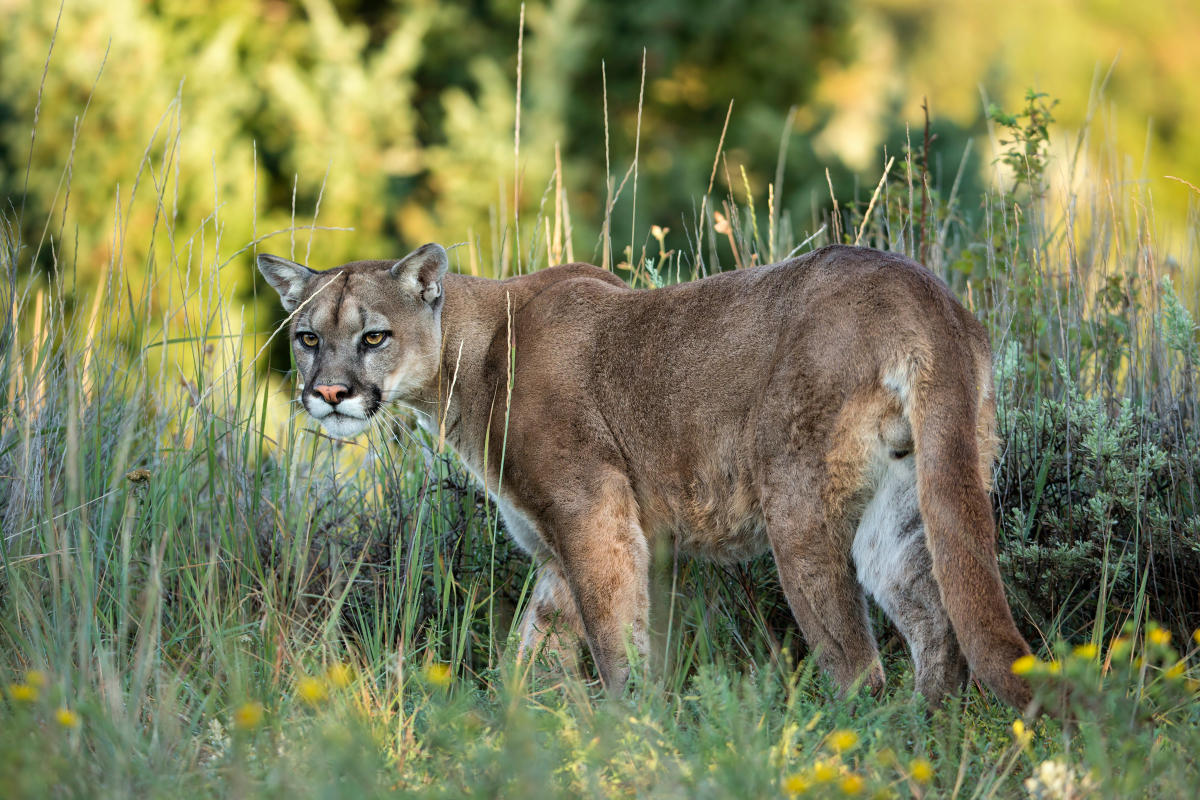
The Status of Mountain Lions in the Sunflower State
For decades, the official stance on mountain lions in Kansas was that they were an extirpated species. Historically, these cats roamed the region, but as the state transitioned toward widespread settlement and farming in the 19th and early 20th centuries, their populations were pushed out. However, in recent years, the narrative has shifted significantly.
A Return to the Heartland
Beginning in the early 2000s, confirmed sightings of mountain lions began to surface across the state. The Kansas Department of Wildlife and Parks has been diligent in monitoring these occurrences. Most of the mountain lions documented in the state are classified as “transient males.” These are young cats that have dispersed from established breeding populations in states like South Dakota, Wyoming, or Colorado, traveling hundreds of miles in search of new territory and mates.
While these solitary wanderers are frequently captured on trail cameras or documented via biological samples, there is still no evidence of a self-sustaining, resident breeding population within Kansas borders. This means that while a hiker or a hunter might encounter a mountain lion, it is statistically more likely to be an animal passing through the state’s river corridors and sheltered canyons rather than a permanent resident.
Landscape and Connectivity: Why Mountain Lions Visit
To understand why a mountain lion would traverse the agricultural expanse of the Midwest, one must look at the geography of the land. Kansas is not merely a grid of farmland; it possesses intricate riparian corridors—the forests and brushy thickets that line rivers such as the Kansas River and the Arkansas River.
River Corridors as Wildlife Highways
Mountain lions are opportunistic hunters, and they are highly skilled at utilizing natural cover to move across landscapes without being detected. These river corridors provide the necessary camouflage and connectivity that allow them to move from the foothills of the Rockies across the plains.
As they move through the state, these predators often prey on white-tailed deer and mule deer, populations of which have thrived in areas with proper habitat. Because Kansas offers a consistent food source and enough connectivity to avoid human settlements, it serves as a viable transit route for young male cats seeking to stake their own claims.

The Role of Natural Landmarks
Specific areas in the state have become more synonymous with mountain lion reports than others. The rugged terrain of the Smoky Hills and the breaks near the Red Hills provide topographical relief that is more reminiscent of the mountainous regions these cats prefer. When exploring these natural landmarks, visitors are in the environments most likely to support the movement of large wildlife, emphasizing the need for situational awareness.
Safety and Best Practices for Outdoor Enthusiasts
If you are planning a trip to a state park or a wildlife management area in Kansas, it is helpful to keep perspective. Attacks on humans are exceedingly rare—statistically, you are far more likely to be injured in a traffic accident on your way to your destination than by a mountain lion. Nevertheless, being “bear aware” or “lion aware” is a mark of a responsible outdoor enthusiast.
Guidelines for Wildlife Encounters
When hiking, camping, or engaging in outdoor activities in areas where predators might exist, follow these professional recommendations:
- Keep Children and Pets Close: Small children and small pets are most vulnerable. Keep them within sight and close to your person at all times, especially during dawn and dusk, which are peak activity hours for mountain lions.
- Make Noise: If you are hiking in areas with dense brush or near river bottoms, talk, sing, or carry a whistle. Mountain lions are generally shy and will avoid human contact if they hear you coming.
- Do Not Run: If you encounter a mountain lion, the worst thing you can do is run. Running can trigger the animal’s predatory instinct to chase. Instead, stand your ground, make yourself look as large as possible by raising your arms or opening your jacket, and speak in a firm, loud voice.
- Maintain Eye Contact: Never turn your back on a mountain lion. Keep your eyes on the animal while slowly backing away toward safety.
Understanding Behavioral Cues
Most mountain lions spotted by Kansas residents are seen from a distance, and the animal is usually as startled by the human as the human is by the animal. They generally prefer to move on rather than engage. Education on these behaviors helps turn fear into appreciation for the wildness that still exists within the heart of the country.
The Future of Conservation and Human-Wildlife Coexistence
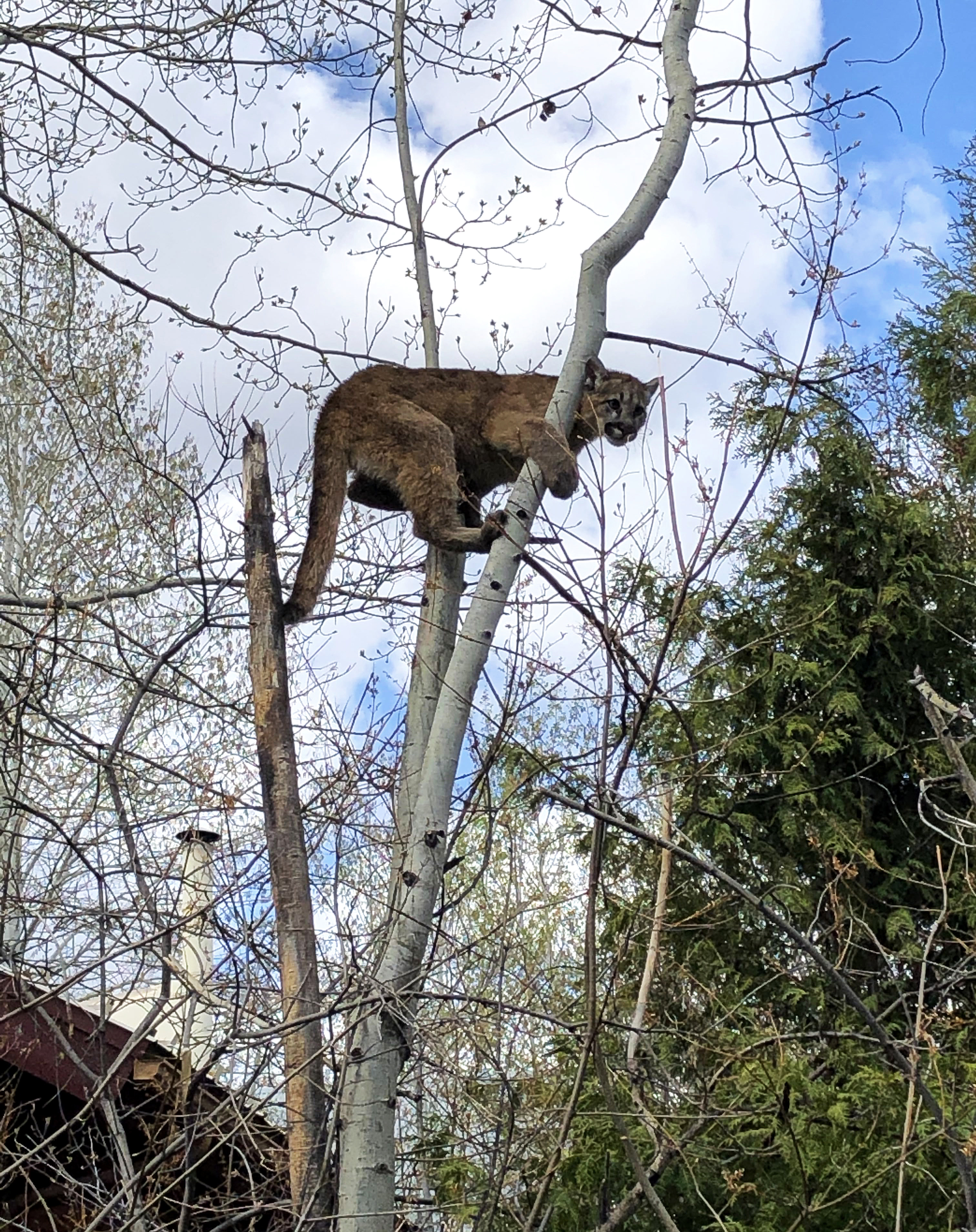
The presence of mountain lions in Kansas represents a fascinating intersection of modern ecology and human expansion. Their movement into the state highlights the importance of preserving habitat connectivity, not just for mountain lions, but for a wide array of native species.
Stewardship of the Land
For those who call Kansas home or visit its expansive vistas, the mountain lion acts as an indicator of a healthy, functioning ecosystem. As researchers continue to study the movement patterns of these animals, the state’s approach to wildlife management remains focused on science-based decision-making.
Whether you are exploring the Flint Hills for their vast, sweeping vistas or hunting in the western reaches of the state, remember that the landscape is alive. Respecting the habitat, understanding the creatures that call it home, and exercising basic safety precautions ensures that the Sunflower State remains a wonderful destination for those seeking a connection with the wild. While you may never see one, knowing that these majestic creatures are occasionally traversing the vast Kansas plains adds a layer of depth and intrigue to the landscape that is hard to match anywhere else in the United States.
LifeOutOfTheBox is a participant in the Amazon Services LLC Associates Program, an affiliate advertising program designed to provide a means for sites to earn advertising fees by advertising and linking to Amazon.com. Amazon, the Amazon logo, AmazonSupply, and the AmazonSupply logo are trademarks of Amazon.com, Inc. or its affiliates. As an Amazon Associate we earn affiliate commissions from qualifying purchases.