
The journey between the “Mile High City” of Denver and the jazz-infused streets of Kansas City is a quintessential American road trip. Spanning the high plains of Colorado, the rolling fields of Nebraska, and the heartland of Kansas, this route offers travelers a unique window into the geography of the American Midwest and the transition into the Rocky Mountains. Whether you are planning a business trip, a family vacation, or a cross-country adventure, understanding the logistics of this journey is the first step toward a successful transit.
Calculating the Distance and Time
The driving distance between Denver and Kansas City is approximately 600 miles. Under ideal traffic and weather conditions, a non-stop drive typically takes between eight and nine hours. However, the experience of the road is rarely a non-stop affair, as the geography provides several opportunities for exploration that can easily extend your travel time.

The Primary Route: Interstate 70
The most efficient and common way to navigate between these two major hubs is via Interstate 70. This transcontinental highway serves as the backbone of your journey. As you leave the urban density of Denver, the road quickly transitions into the expansive, flat landscapes of eastern Colorado. As you cross the border into Kansas, the scenery remains consistent, defined by vast horizon lines and agricultural expanses that characterize the Great Plains.
Traffic and Weather Considerations
While the route is relatively straightforward, travelers must remain mindful of the elements. Colorado and Kansas are subject to significant weather volatility, particularly during the winter months. Snowstorms in the Rockies can create hazardous driving conditions, while summer thunderstorms and high winds across the plains can impact travel speeds. Always check local Department of Transportation updates before departing, as visibility and road closures on Interstate 70 can change rapidly.
Key Stops and Points of Interest
Because the drive is long enough to warrant multiple breaks, savvy travelers often turn the transit into an opportunity to explore smaller American towns and historical landmarks. Breaking the trip into manageable segments not only reduces driver fatigue but adds depth to your overall travel experience.
Hays and Salina: The Heartland Experience
Located in central Kansas, towns like Hays and Salina are perfect mid-way points. Hays offers a glimpse into local frontier history, with museums dedicated to the settlement of the plains. Salina serves as a regional hub with various dining options and parks, making it an ideal location for a lunch break or a quick stretch.

Exploring Topeka
As you approach the eastern edge of Kansas, you will pass through Topeka. As the state capital, Topeka features significant architectural landmarks, including the Kansas State Capitol. The city provides a distinct cultural contrast to the open plains, offering a chance to engage with regional history and urban amenities before the final push into the Kansas City metropolitan area.
Alternative Travel Options
While driving is the most flexible way to move between Denver and Kansas City, it is certainly not the only way. For those who prefer to avoid the steering wheel, several alternatives offer varying degrees of convenience and cost.
Air Travel
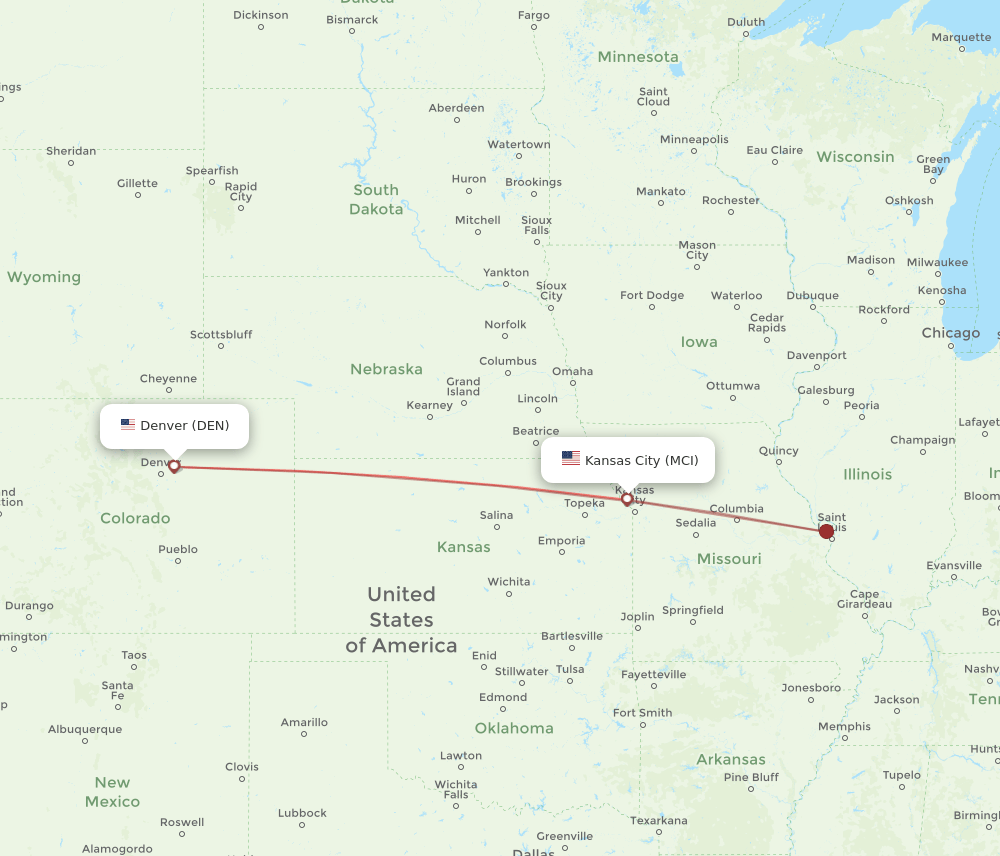
Several major airlines provide non-stop service between Denver International Airport and Kansas City International Airport. A flight typically lasts around 90 minutes in the air, making it the fastest option. However, once you account for security screening, boarding, and baggage claim, the total travel time often hovers around four to five hours. For business travelers or those on a tight schedule, air travel remains the superior choice for efficiency.
Rail and Bus Connections
Travelers looking for a slower, more scenic approach might consider Amtrak, though direct routes between these two cities can be less frequent compared to highway travel. Similarly, long-distance bus lines operate between Denver and Kansas City, providing a cost-effective alternative for budget-conscious travelers. These methods require more careful planning regarding station arrivals and departures but offer the benefit of allowing passengers to relax without the burden of navigation.
Maximizing Your Journey
To ensure a seamless transition between these two prominent Midwestern destinations, preparation is essential. Regardless of your mode of transport, the key to a successful journey lies in understanding the unique character of the route.
Preparing Your Vehicle
If you choose to drive, ensure your vehicle is road-trip ready. Check your tire pressure, fluids, and fuel levels before leaving Denver. Because the stretch between towns in Kansas can be significant, keeping a full tank of gas is a standard piece of advice for long-distance travelers on Interstate 70.
Essential Travel Items
Packing the right gear can transform a mundane commute into a pleasant journey:
- Navigation Tools: While Interstate 70 is simple to follow, having a reliable GPS or a physical map is always recommended, especially if you plan to venture into smaller towns off the main highway.
- Comfort Essentials: Pack a variety of snacks, water, and perhaps a curated playlist or audiobook, as the long, straight roads can be monotonous for some drivers.
- Flexibility: Always build extra time into your schedule for unexpected traffic or road construction.
By taking the time to plan your route, consider your travel method, and map out potential stops in Kansas or Colorado, you can turn the trip between Denver and Kansas City into an enjoyable experience rather than a mere necessity. Whether you are navigating the high-altitude landscapes of the West or descending into the bustling, BBQ-scented air of the Midwest, the drive is an opportunity to witness the vastness and diversity of the landscape that connects these two major American hubs.
LifeOutOfTheBox is a participant in the Amazon Services LLC Associates Program, an affiliate advertising program designed to provide a means for sites to earn advertising fees by advertising and linking to Amazon.com. Amazon, the Amazon logo, AmazonSupply, and the AmazonSupply logo are trademarks of Amazon.com, Inc. or its affiliates. As an Amazon Associate we earn affiliate commissions from qualifying purchases.