
Understanding the population of Wichita, Kansas is more than just an exercise in census statistics. As the largest city in the state, this vibrant urban hub serves as a cultural and economic anchor for the American Midwest. By examining the current resident count—which hovers around 400,000 within the city limits—we can gain a clearer perspective on the density, growth, and community dynamics that define life in this resilient plains metropolis.
The Growth and Demographics of Kansas’s Largest City
When travelers or potential residents ask about the population of Wichita, they are often surprised by the sheer scale of the metropolitan area. While the city itself hosts approximately 400,000 individuals, the broader metropolitan statistical area pushes that number significantly higher, nearing 650,000. This size provides the perfect balance for those seeking big-city amenities without the overwhelming congestion often found on the coasts.

Historical Context and Urban Expansion
Historically, Wichita grew rapidly as a hub for the cattle industry, followed by a transformational era as the “Air Capital of the World.” This focus on aviation and manufacturing fueled migration to the region throughout the 20th century. Today, the population remains diverse, reflecting a blend of deep-rooted Midwestern families and a growing influx of professionals attracted by the city’s affordable cost of living and robust job market.
Density and Regional Impact
The population density of Wichita is relatively moderate compared to major hubs like Chicago or Dallas. This creates a unique atmosphere where residents have access to sprawling parks, such as Riverside Park, and efficient transit routes that rarely suffer from the gridlock seen in more densely packed urban environments. The city’s growth pattern is characterized by steady, sustainable expansion rather than volatile spikes, ensuring that local services and infrastructure keep pace with the needs of its people.
Cultural Vibrancy and the Human Experience
A city is defined by its people, and the residents of Wichita contribute to a distinct cultural identity that blends frontier heritage with modern sophistication. With 400,000 residents, the city supports a thriving arts scene, a diverse culinary landscape, and a calendar packed with community-driven events.
The Arts and Community Life
The presence of institutions like the Wichita Art Museum and the Orpheum Theatre highlights the city’s commitment to culture. These venues serve as the beating heart of the community, where locals gather to celebrate history, performance, and visual art. Because the population is large enough to sustain these institutions but small enough to maintain a sense of intimacy, residents often feel a strong connection to their neighborhoods and local landmarks.

Culinary and Social Hotspots
As the population has grown, so too has the city’s food scene. Neighborhoods like Delano District have become hubs for local entrepreneurs, craft breweries, and farm-to-table dining. This growth in social infrastructure is directly tied to the demographic shift in Wichita. As younger generations choose to settle in the city, they bring with them a demand for high-quality, authentic experiences that keep the local economy humming.
Navigating the Urban Landscape
For visitors interested in the scale of the city, understanding the population helps in appreciating the layout and the ease of exploring the region’s attractions. Whether you are walking through the Botanica The Wichita Gardens or catching a game at Riverfront Stadium, the size of the city ensures that you are rarely more than a 15-minute drive from your next adventure.
Infrastructure for a Growing Population
Wichita has invested heavily in modernizing its infrastructure to support its 400,000 residents. The development of the Arkansas River trail systems and the renovation of public spaces reflect a population that values outdoor accessibility. The city’s planners have prioritized connectivity, ensuring that residential zones remain well-linked to key business sectors and recreational areas.
Future Projections and Urban Planning
Looking ahead, the population of Wichita is expected to maintain its trajectory of modest growth. This stability is a key draw for businesses looking to relocate to Kansas, as it promises a steady workforce and a reliable consumer base. For the residents already calling this city home, the focus remains on enhancing the quality of life, preserving green spaces, and fostering an environment where innovation and tradition coexist.
Why Quality of Life Matters More Than Numbers
Ultimately, while the population count provides a snapshot, the true value of Wichita lies in its livability. The city’s ability to house 400,000 people while maintaining a welcoming, small-town hospitality is its greatest strength. From the historic charm of Old Town to the innovative spirit found in the city’s many research and development labs, Wichita offers a unique American experience.
Balancing Urban Growth and Heritage
Maintaining the character of the city as it grows is a priority for local leaders. Historic preservation efforts protect the legacy of early Kansas pioneers, while new construction projects ensure that the city meets the modern needs of its current inhabitants. This delicate balance creates a welcoming environment for both long-term residents and those visiting the city for the first time.
A Destination for All
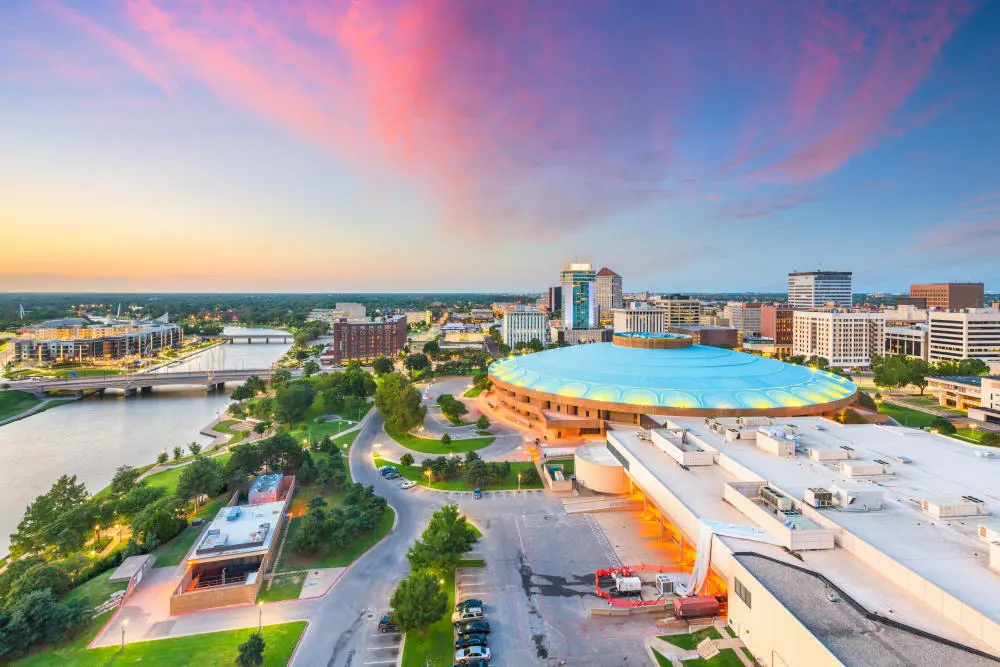
Whether you are planning a business trip, a family vacation, or a long-term relocation, Wichita provides the resources and the personality of a major urban center without the stresses that often accompany them. The city continues to prove that you don’t need a population of millions to have a meaningful, impactful, and vibrant urban life. As the city continues to evolve, it invites everyone to see that the beauty of Wichita is measured not just by the census, but by the community that thrives within its boundaries.
LifeOutOfTheBox is a participant in the Amazon Services LLC Associates Program, an affiliate advertising program designed to provide a means for sites to earn advertising fees by advertising and linking to Amazon.com. Amazon, the Amazon logo, AmazonSupply, and the AmazonSupply logo are trademarks of Amazon.com, Inc. or its affiliates. As an Amazon Associate we earn affiliate commissions from qualifying purchases.