
Evaluating the financial landscape of the American Heartland often brings prospective residents and adventurous travelers to a fundamental question: what does it truly cost to establish a life or spend an extended season in this region? Known for its rolling plains, rich agricultural heritage, and welcoming communities, Kansas presents an intriguing economic picture. Whether you are planning a permanent relocation, a digital nomad stint, or a long-term exploratory trip to the sunflower state, understanding the financial requirements is essential. From housing markets in bustling urban centers to everyday expenses in rural outposts, analyzing the overall cost of living reveals why so many individuals look to this region for value, stability, and a high quality of life without the exorbitant price tags found on the coasts.

Housing and Real Estate Markets
Housing typically constitutes the largest portion of any individual’s or family’s monthly budget, and this is where the region demonstrates its most significant financial advantage compared to the national average.
Renting Versus Buying
For those looking to purchase property, the real estate market offers remarkable affordability. In major hubs like Wichita or Overland Park, median home prices remain comfortably below the national benchmark. First-time homebuyers often find that their purchasing power stretches much further here, allowing for spacious properties with yards and modern amenities that would cost multiples more in coastal metropolises.
Renting follows a similar pattern of affordability. Apartment complexes in thriving neighborhoods provide competitive rates. Even in the capital city of Topeka or the vibrant college town of Lawrence, monthly rental expenditures for one-to-two-bedroom spaces are notably manageable. This allows residents to allocate their financial resources toward savings, travel, or leisure activities rather than feeling perpetually stretched by rent or mortgage payments.
Utility Costs and Maintenance
While housing acquisition is economical, prospective residents must factor in utility expenses. Due to the continental climate—characterized by hot, humid summers and cold, snowy winters—heating and cooling costs can fluctuate significantly throughout the year. Electricity and natural gas bills peak during July and January. However, regional utility providers generally maintain rates that align with or sit slightly below national averages, keeping overall housing maintenance and operational costs manageable.
Everyday Expenses: Groceries, Dining, and Healthcare
Beyond the four walls of a home, daily living requires a careful look at consumables, services, and health-related expenditures. The region performs exceptionally well in keeping these routine costs predictable and modest.
Grocery Shopping and Local Markets
Food security and agricultural abundance define much of the local culture. Because the state is a powerhouse in agricultural production, fresh produce, locally raised meats, and dairy products are widely available at accessible prices. Major supermarket chains as well as local farmers’ markets—such as those found in Manhattan—offer fresh, high-quality ingredients without inflated price tags. Consequently, monthly grocery bills for individuals and families tend to track below the national average, making healthy eating both attainable and budget-friendly.
Dining Out and Entertainment
The culinary scene ranges from world-class barbecue joints to contemporary farm-to-table dining establishments, particularly in cultural hotspots like the Power and Light District in neighboring metropolitan zones or local downtown eateries. Dining out is generally reasonably priced. A meal at a mid-range restaurant or a casual weekend brunch costs less than it would in larger coastal cities, allowing residents and long-term visitors to enjoy a vibrant social life without straining their finances.
Healthcare Accessibility and Costs
Healthcare is another vital component of everyday expenses. The area boasts numerous top-tier medical facilities, including the University of Kansas Hospital in Kansas City. Generally, healthcare costs—encompassing routine doctor visits, specialist consultations, and prescription medications—hover close to or slightly below the national average. Insurance premiums and out-of-pocket medical expenses are competitive, contributing to an overall lower cost of living footprint.
Transportation and Commuting Realities
Navigating the geography of the Great Plains heavily relies on personal vehicles, as public transit systems are primarily concentrated within the larger urban centers rather than rural expanses.
Vehicle Ownership and Gas Prices
Owning a car is standard practice for most residents. Fortunately, fuel prices frequently track below the national average due to the region’s proximity to central distribution pipelines and refineries. Automobile insurance rates, vehicle registration fees, and routine maintenance costs are also relatively moderate, making car ownership less financially burdensome than in dense, congested urban environments where parking and insurance premiums soar.
Public Transit and Alternative Commutes
For those residing in core urban neighborhoods, public transportation options such as local bus networks provide functional alternatives for daily commuters. Cities like Olathe and Johnson County emphasize commuter efficiency, reducing time spent in traffic. Furthermore, shorter average commute times mean residents spend less money on fuel and experience less daily stress compared to their counterparts in sprawling mega-cities.
Taxes, Wages, and Economic Stability
An accurate assessment of financial viability must account for taxation policies, average income levels, and the broader economic climate.
State and Local Tax Structures
The tax environment features a progressive state income tax structure, alongside property taxes that vary by county. While property taxes can occasionally seem high relative to the low median home values, the absence of excessive hidden fees helps balance the annual ledger. Sales tax rates vary depending on the municipality, yet the overall tax burden remains moderate when balanced against household income and the local cost of living index.

Employment Opportunities and Income
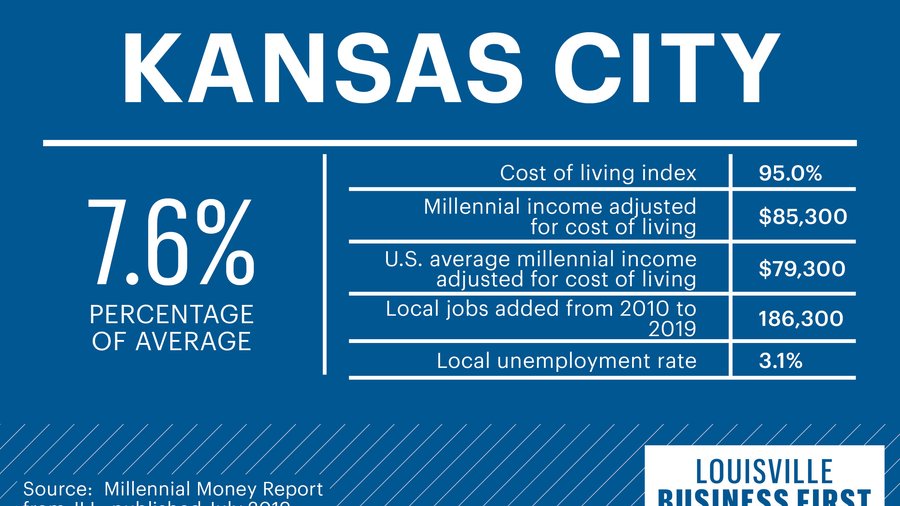
Economic sectors such as aviation, agriculture, healthcare, technology, and higher education drive robust employment markets across the state. Major employers provide competitive salaries that, when paired with the low cost of living, yield a favorable disposable income ratio. This means residents often enjoy greater purchasing power and higher rates of personal savings than those earning similar nominal wages in high-cost-of-living coastal hubs.
Ultimately, establishing roots or spending extended time in this heartland state offers a compelling economic proposition. By balancing affordable housing, modest everyday expenses, and reasonable transportation costs with steady employment opportunities, the region proves that a comfortable, fulfilling lifestyle does not require an exorbitant financial investment.
LifeOutOfTheBox is a participant in the Amazon Services LLC Associates Program, an affiliate advertising program designed to provide a means for sites to earn advertising fees by advertising and linking to Amazon.com. Amazon, the Amazon logo, AmazonSupply, and the AmazonSupply logo are trademarks of Amazon.com, Inc. or its affiliates. As an Amazon Associate we earn affiliate commissions from qualifying purchases.