
When embarking on a major construction, renovation, or commercial real estate venture in Kansas, financial planning extends far beyond contractor bids, material costs, and architectural fees. One of the most complex and frequently debated financial obligations involves state and local sales taxes. Property owners, developers, and investors often find themselves navigating a labyrinth of tax statutes to determine who ultimately bears the burden of remitting these taxes. Understanding whether a building owner is responsible for sales tax in Kansas requires a detailed examination of state tax laws, project structures, and the distinct classification of materials versus labor.

The question of tax liability becomes particularly pressing when managing large-scale developments in growing economic hubs like Wichita or Overland Park. Because Kansas applies sales tax differently depending on whether the project involves residential, commercial, or exempt properties, building owners must proceed with caution. Misjudging these obligations can lead to unexpected audits, substantial financial penalties, and delayed project completions. To ensure complete compliance, stakeholders must break down the core components of Kansas tax law as it applies to real property improvements.
Understanding Kansas Sales Tax Basics on Real Property
To comprehend a building owner’s liability, one must first understand how Kansas treats real property improvements for tax purposes. Unlike tangible personal property, which is taxed every time it changes hands at retail, real property—such as a permanent building affixed to land—is subject to tax at a very specific point in the supply chain.
The Contractor as the Consumer
Under Kansas Department of Revenue guidelines, contractors and subcontractors are generally considered the “consumers” of all building materials, supplies, and equipment they purchase to fulfill a real property construction contract.
- Material Purchases: When a contractor buys lumber, concrete, electrical wiring, or plumbing fixtures to incorporate into a building, they must pay sales tax to their suppliers at the time of purchase.
- Passing on the Cost: While contractors pay the tax upfront, they typically incorporate this cost into the overall project bid presented to the building owner. Therefore, while the contractor remits the tax to the state, the building owner indirectly pays for it through higher contract pricing.
- Labor Exclusions: In Kansas, labor services to construct, reconstruct, alter, remodel, or repair original residential or commercial real property are generally exempt from state sales tax. The tax applies strictly to the materials consumed by the contractor, not the service of putting them together.
Direct Pay Permits and Exemption Certificates
In certain commercial scenarios, building owners may hold a Direct Payment Permit issued by the Kansas Department of Revenue. This permit allows the business entity to purchase construction materials tax-free upfront and directly report and pay the applicable sales or use tax to the state. This mechanism is frequently utilized by large corporations undertaking massive industrial expansions in cities like Kansas City to streamline accounting processes across multiple jurisdictions.
Direct Liability vs. Indirect Financial Burden
A common point of confusion among real estate developers is the distinction between holding legal liability for remitting sales tax and bearing the ultimate economic burden of that tax.
When the Owner Directly Owes Sales Tax
While contractors are usually the consumers of materials, there are specific instances where a building owner can be held directly responsible for sales or use tax in Kansas:
- Purchasing Materials Independently: If a building owner decides to bypass the general contractor and purchase lighting fixtures, flooring, or appliances directly from a supplier—especially out-of-state vendors who do not collect Kansas sales tax—the owner becomes directly liable for accruing and remitting consumer’s use tax on those items.
- Time and Materials Contracts with Separate Accounting: If a contract is structured in a way that itemizes material costs separately from labor and bills them directly to the owner without proper tax application, audit risks skyrocket.
- Failure of Contractors to Pay: If an unlicensed or unscrupulous contractor fails to pay sales tax on materials and subsequently goes out of business, the Kansas Department of Revenue may scrutinize the project. While the primary liability usually rests with the contractor, property owners can face complications if liens or tax disputes cloud the title of the property.
Managing Project Contracts to Clarify Obligations
To mitigate unforeseen liabilities, building owners should ensure that their construction contracts explicitly outline tax responsibilities. Standard industry contracts, such as those provided by the American Institute of Architects, often contain specific clauses regarding taxes. Owners should mandate that contractors provide proof of tax compliance, lien waivers, and itemized breakdowns of material purchases where applicable. This proactive approach ensures that tax compliance is tightly managed from the blueprint phase to the final ribbon-cutting ceremony.
Special Exemptions and Circumstances That Alter Tax Rules
Not all construction projects in Kansas are subject to the same standard taxation rules. Certain property owners, project types, and geographic locations qualify for exemptions that can completely alter or eliminate sales tax responsibilities.
Tax-Exempt Entities
Building owners that operate as tax-exempt organizations—such as religious institutions, recognized educational facilities, and certain 501(c)(3) non-profit corporations—do not automatically receive a blanket sales tax exemption on construction materials.
- Project Exemption Certificates (PECs): To avoid paying sales tax on building materials, the tax-exempt organization must apply for and receive a Project Exemption Certificate from the state.
- Issuing to Contractors: Once granted, the organization issues this certificate to the general contractor and subcontractors. This document allows them to purchase construction materials tax-free, drastically reducing the overall cost of the capital project.
- Strict Compliance: The Kansas Department of Revenue rigorously audits PEC usage. If materials purchased tax-free under a PEC are used for unauthorized purposes, the building owner and the contractor can face severe penalties.
Government and Public-Private Partnerships
Projects commissioned by federal, state, or local government entities in Kansas—such as public schools, municipal offices, or infrastructure developments managed in areas like Topeka—are also eligible for project exemption certificates. However, the administrative burden remains high. The building owner or the managing government agency must ensure that every subcontractor working on the site properly records and utilizes the exemption certificate to avoid accidental tax payments.
Best Practices for Building Owners to Mitigate Tax Risks
Navigating Kansas sales tax laws requires vigilance, precise record-keeping, and close collaboration with certified public accountants and legal counsel specializing in real estate development. Building owners can protect their investments and avoid costly tax traps by adhering to several strategic best practices.

Comprehensive Audit Trails and Documentation
The cornerstone of tax compliance is documentation. Building owners should maintain a centralized repository for all project-related financial documents.
- Keep Every Invoice: Retain all contractor invoices, material receipts, change orders, and subcontractor agreements for at least the statutory audit period, which is typically three years in Kansas.
- Verify Contractor Credentials: Before signing a construction agreement, verify that the contractor is properly licensed and registered with the state. Request certificates of insurance and tax compliance verification.
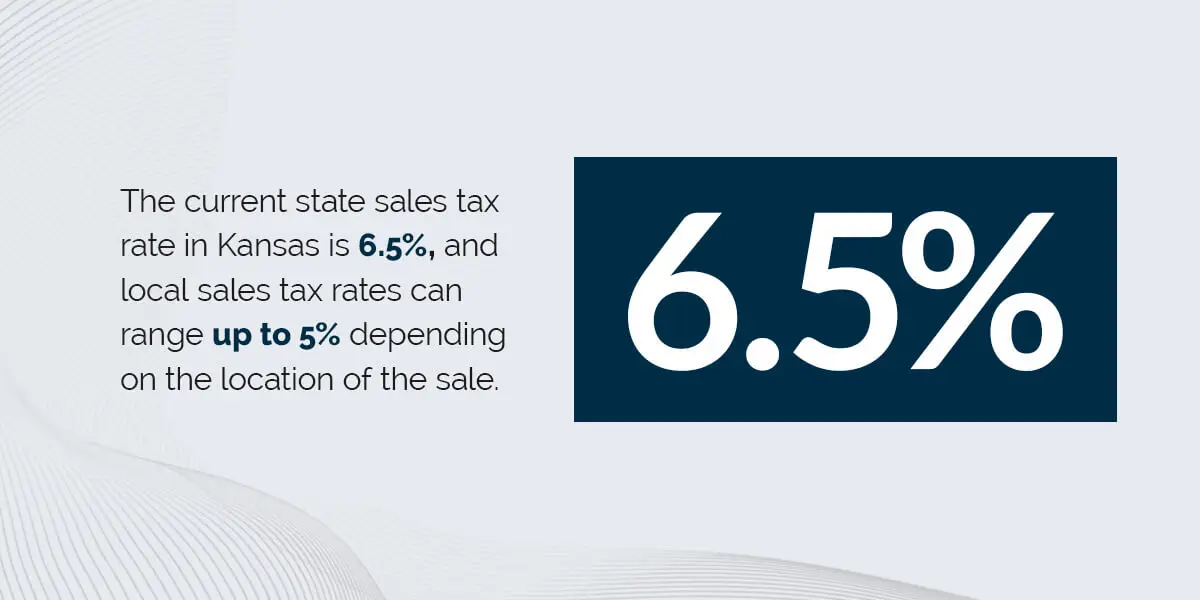
- Consult Local Tax Experts: Because local sales tax rates vary significantly across different Kansas counties and municipalities—ranging from standard state rates to specialized CID (Community Improvement District) and STAR bond district surcharges—local tax expertise is invaluable.
By understanding the nuanced division of responsibilities between contractors and property owners, leveraging available exemptions correctly, and maintaining rigorous administrative oversight, building owners can successfully navigate Kansas sales tax requirements and protect the financial viability of their real estate investments.
LifeOutOfTheBox is a participant in the Amazon Services LLC Associates Program, an affiliate advertising program designed to provide a means for sites to earn advertising fees by advertising and linking to Amazon.com. Amazon, the Amazon logo, AmazonSupply, and the AmazonSupply logo are trademarks of Amazon.com, Inc. or its affiliates. As an Amazon Associate we earn affiliate commissions from qualifying purchases.