
Understanding Kansas Winters: Climate Patterns and Geographic Diversity
When travelers look toward the heart of the American Midwest, questions regarding seasonal weather often center on the dramatic shifts experienced across the Great Plains. The state of Kansas is known for its wide-open skies, sweeping prairies, and a continental climate that brings four distinct seasons. To understand whether snow is currently falling across the state, one must first look at the vast geographic expanse and the meteorological forces that govern it. From the rolling hills of the east to the high plains of the west, winter weather in Kansas is rarely uniform.

The state sits at a fascinating climatic crossroads where cold, dry polar air masses from Canada frequently collide with warm, moist air lifting northward from the Gulf of Mexico. This atmospheric tug-of-war creates dynamic weather patterns. Winter storms can develop rapidly, bringing everything from freezing rain and ice to heavy, drifting snow. However, a blanket of white is never guaranteed for the entire state on any given winter day. While residents in Goodland might wake up to a blizzard warning and several inches of accumulation, travelers in Wichita or Coffeyville might experience a crisp, sunny afternoon with bare ground.
Regional Variations Across the Sunflower State
Geography dictates weather patterns significantly within Kansas. Western Kansas, sitting at a higher elevation closer to the Rocky Mountains, generally experiences colder temperatures and higher seasonal snowfall totals. Cities like Colby and Dodge City frequently capture winter weather systems moving out of the Rocky Mountains before they lose moisture. Conversely, eastern Kansas, encompassing metropolitan areas like Kansas City and Topeka, experiences a slightly milder winter climate influenced by lower elevations and proximity to southern air streams, though major nor’easter-style winter storms can still dump significant snow totals when conditions align perfectly.
Winter Tourism and Outdoor Experiences in the Prairie
For travelers drawn to the charm of the American Heartland during the colder months, a snowy landscape transforms the familiar prairie scenery into a serene, monochromatic wonderland. Snowfall in Kansas does not typically paralyze the region for weeks on end, but rather arrives in bursts, offering short windows of exceptional beauty and outdoor recreation. Tourists seeking authentic seasonal travel experiences will find that a fresh layer of powder opens up unique opportunities that differ starkly from the golden wheat fields of summer.
Exploring Snowy Landscapes and Historic Sites
When snow dusts iconic regional landmarks, the travel experience shifts toward peaceful exploration and indoor cultural discovery. In Abilene, the historic childhood home of President Dwight D. Eisenhower takes on a quiet dignity beneath a shroud of winter white. Visitors touring the Eisenhower Presidential Library find that snowy days provide a contemplative atmosphere, ideal for exploring American history without the bustling crowds typical of peak summer tourism seasons.

Similarly, natural areas like the Tallgrass Prairie National Preserve offer striking vistas when winter weather settles over the hills. Hiking trails that wind through the native grasses become pristine tracks for snowshoeing and cross-country skiing when accumulation is sufficient. Photographers flock to these wide-open spaces to capture the stark contrast of golden-brown stalks peeking through crisp drifts of white snow, illuminated by the low-angled winter sun.
Urban Escapes and Cozy Cultural Attractions
If a winter storm makes driving treacherous across the highways connecting Manhattan and Lawrence, travelers can easily pivot toward vibrant indoor attractions. University towns hum with activity regardless of the thermometer reading. In Lawrence, the historic Mass Street corridor buzzes with boutique shopping, cozy coffee shops, and diverse culinary hotspots where patrons can watch the snow fall through large historic windows while enjoying locally roasted brews or regional comfort food.
Art enthusiasts visiting Wichita can escape a chilly afternoon by touring the Wichita Art Museum or exploring the outdoor sculptures at the Botanica Gardens, which maintain a tranquil beauty even when dusted with frost. The juxtaposition of modern art installations against a quiet, snow-covered backdrop offers a refreshing perspective for cultural travelers who appreciate the slower, more reflective pace of winter tourism.
Practical Planning for Winter Travel in Kansas
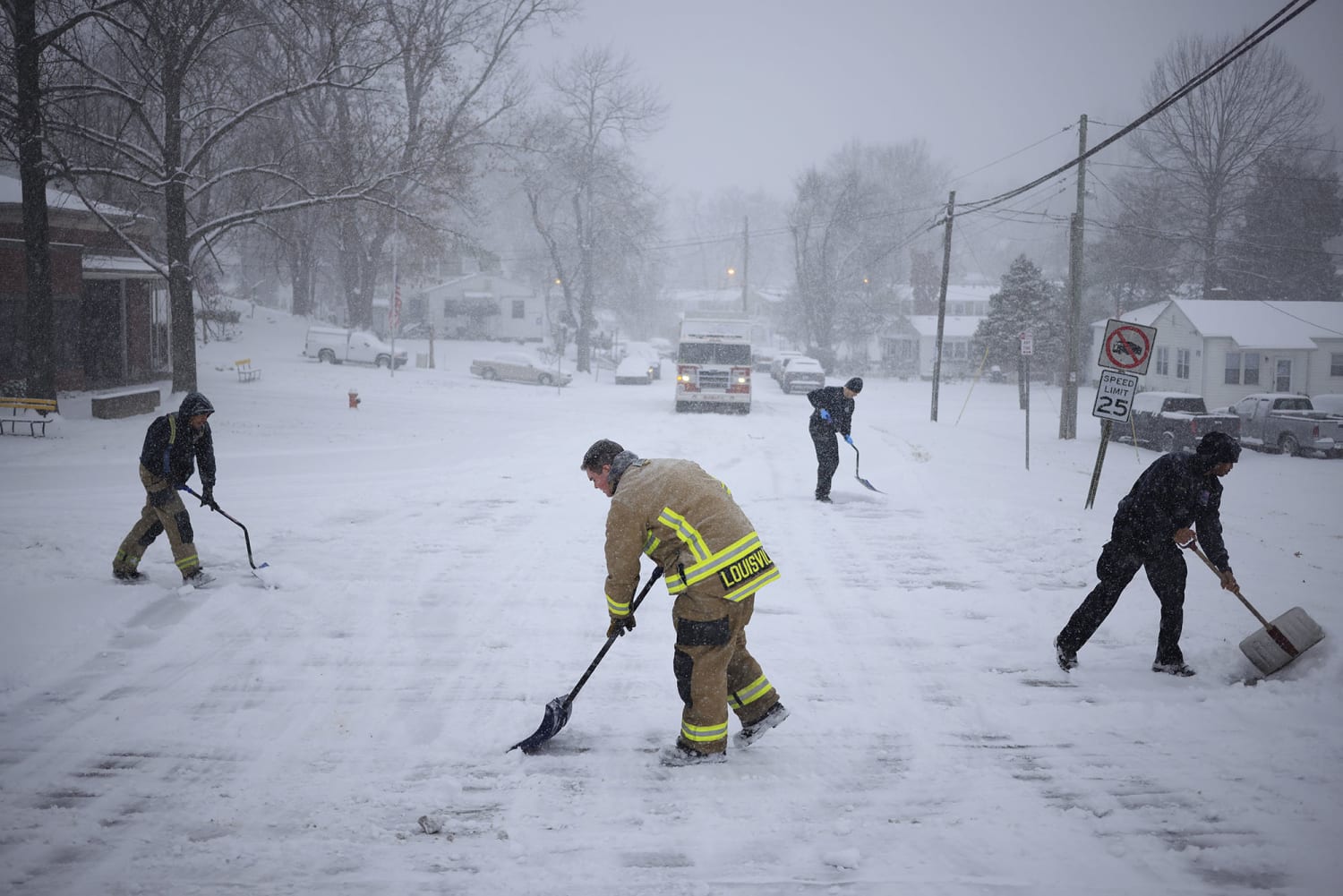
Monitoring current weather conditions is essential for anyone planning a trip through the central plains during the colder months. Because winter storms can develop with surprising speed, travelers must remain flexible and keep a close eye on forecasts provided by the National Weather Service. Main thoroughfares such as Interstate 70 and Interstate 35 are exceptionally well-maintained by departments of transportation, ensuring that highway crews work efficiently to clear snow and treat ice, minimizing long-term travel disruptions.
What to Pack and Expect on the Road
Preparation is the cornerstone of successful winter travel in this region. Visitors should pack versatile layers, sturdy waterproof footwear, and reliable winter accessories like gloves and scarves, as biting winds across the open plains can make ambient temperatures feel significantly lower than the actual reading. Keeping an emergency kit in rental vehicles—complete with blankets, bottled water, snacks, and a portable phone charger—is a standard precaution recommended for all motorists navigating rural stretches of the state during winter months.
Accommodations throughout the region, from boutique hotels in historic downtown districts to cozy bed-and-breakfasts nestled in rural communities, are well-equipped to welcome travelers seeking refuge from a passing blizzard. Many lodgings feature traditional amenities such as stone fireplaces, warm hospitality, and hearty regional cuisine that highlight the comforting nature of Midwestern hospitality during cold weather.
Ultimately, whether snow is falling over Kansas today depends entirely on your specific coordinates within the state’s vast landscape. By embracing the seasonal changes, understanding regional climate nuances, and keeping travel plans adaptable, visitors can discover a peaceful, visually stunning side of the heartland that few summer tourists ever get to witness.
LifeOutOfTheBox is a participant in the Amazon Services LLC Associates Program, an affiliate advertising program designed to provide a means for sites to earn advertising fees by advertising and linking to Amazon.com. Amazon, the Amazon logo, AmazonSupply, and the AmazonSupply logo are trademarks of Amazon.com, Inc. or its affiliates. As an Amazon Associate we earn affiliate commissions from qualifying purchases.