
Evaluating the financial value of land is a multifaceted endeavor, particularly in regions where the landscape defines both the economy and the lifestyle. When individuals ask about the value of an eighty-acre parcel in Kansas, they are entering a dynamic market influenced by agricultural productivity, geographical location, recreational potential, and macro-economic trends. Understanding what eighty acres is worth requires a deep dive into the various drivers that dictate land pricing across the Sunflower State, from the fertile black soils of the east to the expansive rolling plains of the west.
The Economic Drivers of Kansas Land Valuation
Land valuation in Kansas is rarely arbitrary. It is heavily anchored in the utility the land provides, primarily revolving around agriculture, livestock production, and increasingly, non-traditional uses such as conservation and recreation.

Agricultural Productivity and Soil Quality
The foundational driver of land value in Kansas is its capability to produce crops.
- Cropland: Parcels with high-quality soil, adequate rainfall, or access to irrigation command the highest per-acre prices. In eastern and central regions like Manhattan or near the Kansas River, fertile soil yields reliable harvests of corn, soybeans, and wheat, driving up competition among local farmers looking to expand their operations.
- Pastureland: For grazing cattle, value is measured by carrying capacity—how many animal unit months (AUMs) the land can support. Native grass pastures, particularly in the famed Flint Hills region, are prized for livestock production and generally trade at different rates than tillable acreage.
Water Rights and Irrigation Infrastructure
In agriculture, water is currency. An eighty-acre parcel equipped with a permitted irrigation well, functional pivots, and reliable water rights in western areas near Garden City or Dodge City will appraise significantly higher than dryland acreage in the same vicinity. Water security mitigates weather risks, making the investment much more attractive to commercial agricultural enterprises.
Regional Disparities Across the Sunflower State
Geography plays a pivotal role in real estate pricing. An eighty-acre tract in one county can command a vastly different price tag than the exact same acreage a few hundred miles away due to population density, local industry, and topography.
Eastern Kansas: Urban Proximity and Diverse Terrain
The eastern third of Kansas features rolling hills, higher annual precipitation, and proximity to major population centers like Wichita, Topeka, and the Kansas City metropolitan area.
- Suburban Encroachment: Land near cities is often priced with future development potential in mind. Even if currently farmed, 80 acres within commuting distance of urban hubs carries speculative value.
- Rural Lifestyle Estates: Buyers looking for acreage to build rural homesteads drive up the per-acre cost of smaller farms, as the lifestyle appeal outweighs pure agricultural return on investment.
Central Kansas: The Agricultural Heart
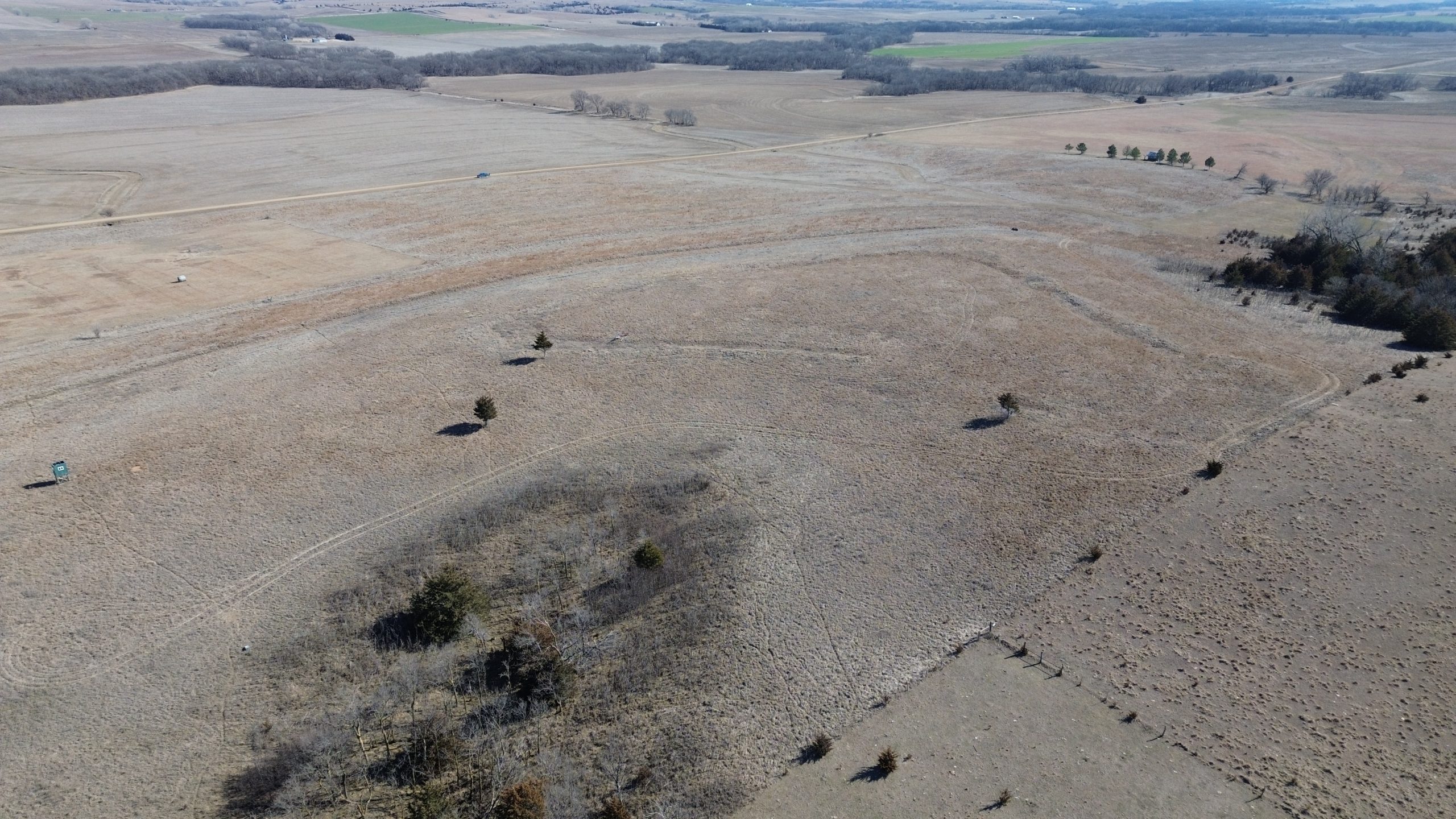
Moving into central counties surrounding hubs like Salina or Hutchinson, agriculture is king. This region strikes a balance between strong dryland crop production and established livestock operations. Prices here reflect steady, conservative agricultural yields rather than speculative suburban growth.
Western Kansas: Scale and Irrigation
Western Kansas is characterized by wide-open spaces, large-scale farming operations, and reliance on the Ogallala Aquifer. While dryland wheat acreage can be relatively affordable, irrigated quarters and halves command substantial investments. Values here are closely tied to commodity prices for grain and beef, as well as energy development, including wind and oil potential.
Recreational Value and Non-Traditional Buyers
In recent years, the profile of rural land buyers has shifted dramatically. Traditional farmers and ranchers now share the market with investors, conservationists, and outdoor enthusiasts looking for private retreats.
Hunting and Wildlife Habitat
An eighty-acre parcel in Kansas can be a goldmine for whitetail deer, turkey, and pheasant hunting. The state has built a world-class reputation for trophy wildlife management.
- Properties featuring a mix of timber, creek bottoms—such as those branching off the Arkansas River—and CRP (Conservation Reserve Program) acreage often sell for premium prices to hunting syndicates, outfitting businesses, or private individuals seeking a personal sporting paradise.
- Recreational demand can often push per-acre prices well above standard agricultural appraisals, particularly if the land offers exceptional seclusion and cover.
Investment and Mineral Rights
When evaluating an eighty-acre tract, buyers must also consider subsurface assets.
- Mineral Rights: Owning the oil, gas, and wind rights associated with a property can drastically alter its true worth. In energy-rich basins across the state, royalty payments can provide an ongoing revenue stream that dwarfs the agricultural income of the surface land.
- Inflation Hedge: Institutional investors and high-net-worth individuals frequently purchase rural acreage as a tangible asset to hedge against inflation and portfolio volatility, keeping overall demand robust regardless of short-term farming cycles.
Assessing the True Market Value of 80 Acres
Determining the exact dollar amount for a specific eighty-acre parcel requires looking beyond statewide averages and conducting localized due diligence. Land values fluctuate based on prevailing interest rates, farm commodity cycles, and local supply and demand dynamics.

Key Steps in Property Valuation
- Comparable Sales Analysis: Look at recent sales of similar parcels within the same township or county. Real estate agents specializing in rural properties rely heavily on recent transactions for dryland, pasture, and recreational tracts.
- Soil and Topography Evaluation: Review USDA soil surveys to determine the NCCPI (National Commodity Crop Productivity Index) rating. Higher ratings mean better crops and higher market value.
- Access and Infrastructure: Consider road frontage, proximity to grain elevators or livestock sale barns, electricity availability, and fencing quality. Good access significantly enhances daily operational efficiency and overall marketability.
Ultimately, the worth of eighty acres in Kansas is determined by what a willing buyer will pay a willing seller in the current market environment. Whether it is valued for its rich wheat-producing soil, its prime deer hunting timber, or its potential for future development, eighty acres represents a tangible piece of the American heartland with enduring intrinsic and financial value.
LifeOutOfTheBox is a participant in the Amazon Services LLC Associates Program, an affiliate advertising program designed to provide a means for sites to earn advertising fees by advertising and linking to Amazon.com. Amazon, the Amazon logo, AmazonSupply, and the AmazonSupply logo are trademarks of Amazon.com, Inc. or its affiliates. As an Amazon Associate we earn affiliate commissions from qualifying purchases.