
Understanding the Demographics of the Heart of America
When travelers, researchers, and prospective residents begin exploring the vibrant midwestern landscape, one of the most common foundational questions that arises is: what is the population of Kansas City? Known globally for its rich jazz heritage, mouthwatering barbecue, and sprawling boulevard systems, this major metropolitan area holds a unique place in the cultural and economic geography of the United States. However, answering this seemingly straightforward question requires looking beyond a single digit. The region’s population varies significantly depending on whether you are examining the municipal boundaries of the Missouri side, the bi-state metropolitan statistical area, or the broader urbanized zone that seamlessly bridges two states.

To fully grasp the demographic footprint of this urban hub, it helps to examine the population through multiple lenses: the city proper, the surrounding metropolitan statistical area, and the unique geographical quirk that divides the municipality across a state line into both Missouri and Kansas. Understanding these distinctions is essential for anyone looking to navigate, study, or move to the region.
The City Proper Versus the Metropolitan Area
When looking strictly at official municipal boundaries, the population sits at approximately 508,000 residents. This figure makes it the largest municipality in the state of Missouri, surpassing neighboring urban centers like St. Louis. Spanning a massive geographic footprint of over 315 square miles, the city proper is surprisingly sprawling compared to older eastern urban centers. This vast expanse allows for a diverse array of neighborhoods, ranging from historic districts like the 18th and Vine Historic District to modern commercial hubs like the Country Club Plaza.
However, looking only at the city limits tells a very limited story. The broader Kansas City Metropolitan Area—often referred to locally as KC—encompasses 14 counties spanning both Missouri and Kansas. The total population for this expansive bi-state metro region exceeds 2.2 million residents. This larger figure represents the true economic, cultural, and social reach of the community, capturing suburban commuters, regional business travelers, and visitors who frequent local landmarks such as Arrowhead Stadium and Union Station.
The Bi-State Dynamic: Missouri and Kansas
One of the most fascinating elements influencing population data and local identity is the state line. Kansas City is famously split into two distinct municipalities bearing the same name, sitting directly adjacent to one another along the border.
Exploring the Two Sides
- Kansas City, Missouri: The larger of the two primary municipalities, containing the majority of the population, historical landmarks, financial districts, and cultural institutions like the Nelson-Atkins Museum of Art.
- Kansas City, Kansas: Locally known as KCK, this separate municipality has a population of approximately 155,000 residents and operates under a unified government with Wyandotte County. It boasts its own vibrant identity, prominent industrial zones, and attractions like the Kansas Speedway.

Despite being separated by an invisible state boundary demarcated by State Line Road, residents across both cities share a unified economic and social ecosystem. People routinely cross the border daily for work, dining, education, and entertainment at destinations like the Power and Light District.
Growth Trends and Urban Development
Over the past decade, the broader metropolitan region has experienced steady and sustained growth. As remote work trends shift and individuals seek out regions with a lower cost of living coupled with high quality of life amenities, the area has seen an influx of new residents moving from coastal states and larger saturated tech hubs.
Factors Driving Population Expansion
Several key economic and lifestyle factors continue to draw people to the area, fueling population increases:
- Affordable Housing: Compared to coastal metropolises, the real estate market offers significantly more space and affordability for families and young professionals.
- Thriving Job Market: The region has established itself as a growing center for technology, logistics, animal health science, and telecommunications.
- Cultural Resurgence: Major infrastructure investments, including the modern KC Streetcar line, downtown revitalization projects, and the hosting of major international sporting events, have elevated the profile of the city globally.
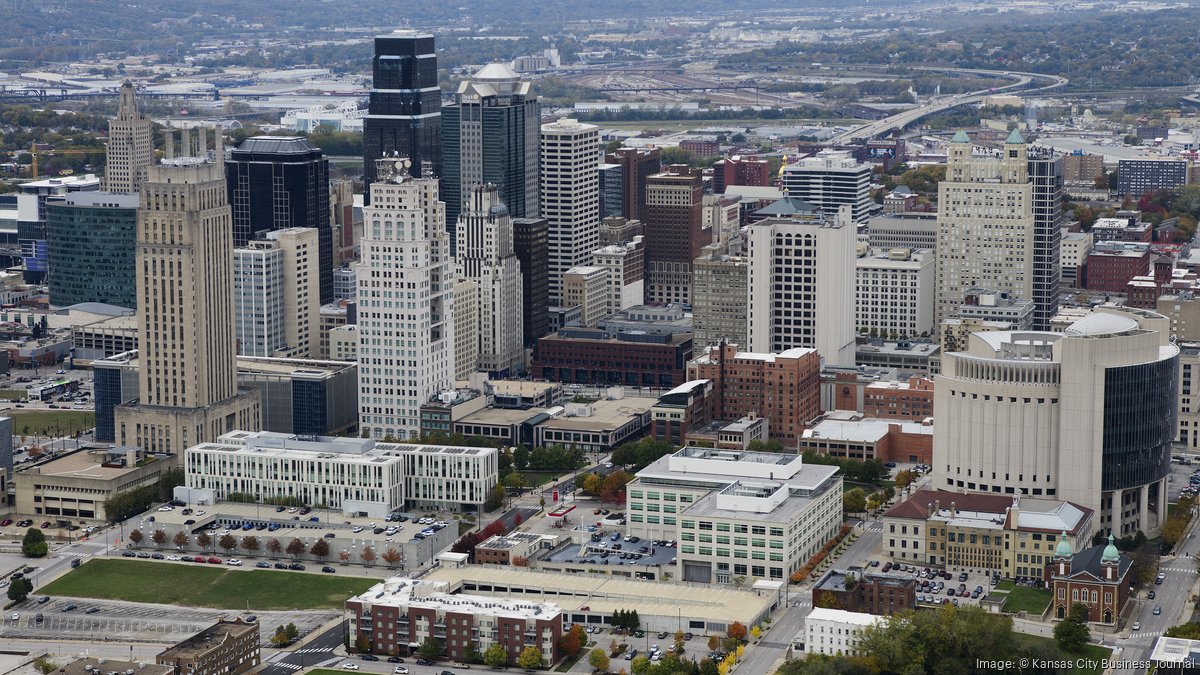
Neighborhoods within the urban core, such as the Crossroads Arts District and Westport, have experienced dense residential development, transforming formerly industrial or underutilized warehouse zones into vibrant, walkable loft and apartment communities. This urban density shift has added thousands of new residents directly into the downtown footprint, fostering a bustling environment for local businesses, galleries, and eateries.
Implications for Travelers and Visitors
For travelers planning a trip to explore local barbecue joints, historical sites, and museums like the National World War I Museum and Memorial, understanding the population distribution helps in planning logistics.
While the population is large enough to support world-class amenities, professional sports teams, and an international airport—Kansas City International Airport—the region retains a welcoming, Midwestern accessibility. Traffic congestion, while present during peak rush hours, is generally far less intimidating than in coastal megacities, making navigation across the bi-state area straightforward for tourists utilizing rental cars or rideshare services.
Ultimately, whether you measure the community by its half-million city-proper residents or its 2.2 million metropolitan population, Kansas City offers a dynamic blend of big-city scale and small-town hospitality.
LifeOutOfTheBox is a participant in the Amazon Services LLC Associates Program, an affiliate advertising program designed to provide a means for sites to earn advertising fees by advertising and linking to Amazon.com. Amazon, the Amazon logo, AmazonSupply, and the AmazonSupply logo are trademarks of Amazon.com, Inc. or its affiliates. As an Amazon Associate we earn affiliate commissions from qualifying purchases.