
Understanding the Demographics and Growth of Topeka
When exploring the heart of the American Midwest, understanding the foundational demographics of its capital cities offers a compelling glimpse into regional culture, economic shifts, and community planning. For travelers, researchers, and history enthusiasts eager to explore Kansas, a common and essential question arises: what is the population of Topeka?
As the political and cultural center of the state, Topeka holds a unique place in the broader landscape of the American heartland. Recent census data and municipal estimates place the population of the city proper at approximately 126,000 residents, while the wider metropolitan statistical area encompasses over 230,000 people. This demographic makeup places Topeka firmly in the category of a mid-sized American city—large enough to offer vibrant cultural attractions, diverse dining, and robust public amenities, yet compact enough to retain a welcoming, tight-knit community feel.

Historical Growth and Urban Development
To fully appreciate the current population figures, one must look back at the trajectory that shaped Topeka. Founded in 1854 by abolitionists along the banks of the Kansas River, the city grew rapidly due to its strategic location and its designation as the state capital. Throughout the late 19th and 20th centuries, waves of migration and industrial expansion—particularly driven by the railroad industry, notably the Atchison Topeka and Santa Fe Railway—propelled steady population increases.
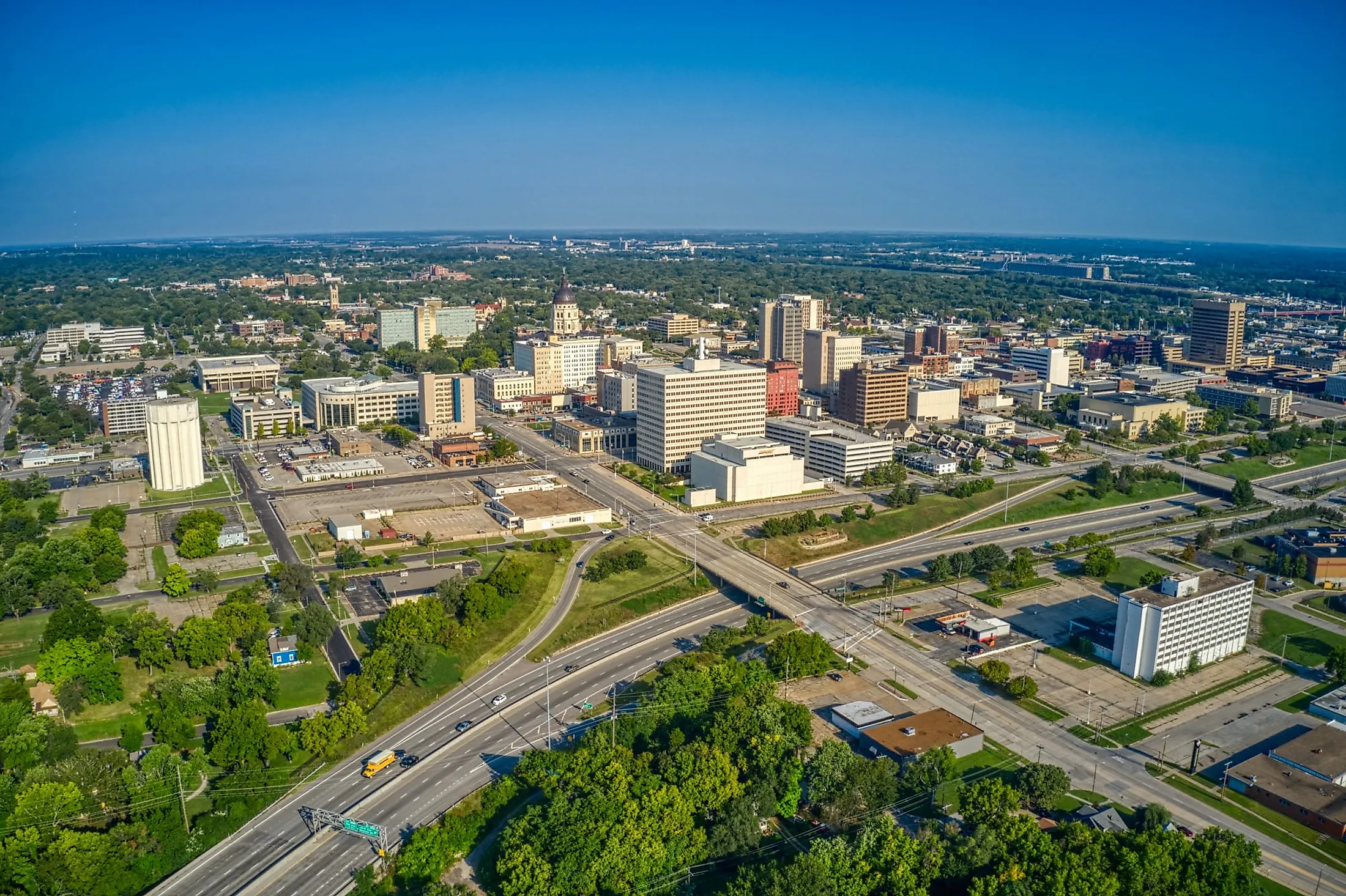
In recent decades, the population has experienced periods of stabilization and gentle, sustainable growth. Unlike hyper-expanding sunbelt metropolises, Topeka maintains a steady demographic rhythm. Urban planners and local government agencies continuously monitor these statistics to balance residential development with commercial expansion, ensuring that neighborhoods surrounding landmarks like the Kansas State Capitol remain vibrant and accessible.
Cultural Diversity and Community Dynamics
Beyond raw numbers, the population of Topeka is defined by its rich cultural mosaic. The city is home to a diverse demographic tapestry that includes a rich blend of ethnicities, traditions, and backgrounds. This diversity is celebrated through community events, local culinary scenes, and public festivals that animate the city throughout the year.
Neighborhoods and Residential Enclaves
The population is distributed across distinct neighborhoods, each offering its own architectural charm and local flavor. From historic districts featuring beautifully preserved Victorian and Craftsman homes to modern suburban developments on the city’s western fringes, Topeka accommodates a wide spectrum of lifestyles.
- Historic North Topeka: Known for its artistic flair, local businesses, and deep historical roots tied to the Kansas River.
- Greater Crestview: A residential neighborhood prized for its quiet streets, family-friendly parks, and proximity to local schools.
- Downtown Topeka: The energetic urban core where revitalization efforts have brought in trendy lofts, cafes, and cultural hubs like the Topeka Performing Arts Center.
This residential variety ensures that whether young professionals, families, or retirees are considering a move to the area, they can find a community that aligns with their personal preferences.
Economic Influences on Population Trends
Demographics and economics are deeply intertwined. The population of Topeka is heavily influenced by its robust employment sectors. As the seat of state government, public administration is a massive employer, drawing civil servants, legal professionals, and policy experts to the region.
In addition to government employment, healthcare and education play vital roles in sustaining the local populace. Major institutions, including major regional medical centers and educational facilities like Washburn University, attract students, faculty, and medical professionals from across the Midwest and beyond. This constant influx of academic and professional talent helps keep the city’s median age balanced and infuses the community with fresh ideas and cultural vitality.
Tourism and Transient Populations
When evaluating population statistics, it is also fascinating to consider the transient populations that visit Topeka throughout the year. Tourists, business travelers, and history buffs frequently travel to the city to explore significant cultural and natural landmarks.
Visitors often flock to sites such as the Brown v Board of Education National Historic Site, which commemorates the landmark Supreme Court ruling that ended racial segregation in public schools. Nature lovers explore the stunning flora and fauna at the Evelynine H. [Gage] Park, home to the famous Reinisch Rose Garden and the Kansas Childrens Discovery Center. These attractions temporarily swell the daily population, adding a vibrant energy to local restaurants, hotels, and entertainment venues.

The Future Outlook for Topeka’s Demographics
Looking ahead, community leaders and economic development boards in Topeka are actively working on initiatives to attract new residents and retain current ones. Programs focused on downtown revitalization, remote worker incentives, and technological infrastructure improvements are designed to showcase the city’s high quality of life, affordable cost of living, and short commute times.
These forward-thinking strategies suggest that Topeka will continue to see gradual, healthy population growth in the coming years. By blending its rich historical heritage with modern economic opportunities, the city remains an appealing destination for anyone looking to experience authentic Midwestern culture. Whether viewed through the lens of census data, economic impact, or cultural vibrancy, the population of Topeka represents a resilient and dynamic community at the heart of Kansas.
LifeOutOfTheBox is a participant in the Amazon Services LLC Associates Program, an affiliate advertising program designed to provide a means for sites to earn advertising fees by advertising and linking to Amazon.com. Amazon, the Amazon logo, AmazonSupply, and the AmazonSupply logo are trademarks of Amazon.com, Inc. or its affiliates. As an Amazon Associate we earn affiliate commissions from qualifying purchases.