
The Eastern Cottonwood: A Botanical Symbol of the Great Plains
When exploring the vast, sweeping landscapes of the American Midwest, few natural features command as much respect and presence as the official state tree of Kansas. Designated as the official emblem by the legislature in 1937, the Eastern Cottonwood (Populus deltoides) stands as a living testament to the resilience, history, and distinct character of the Sunflower State. While many states choose dense evergreen pines or delicate flowering ornamentals, Kansas selected a towering, robust hardwood that tells a profound story of survival and adaptation in an often harsh environment.
Botanical Characteristics and Identification
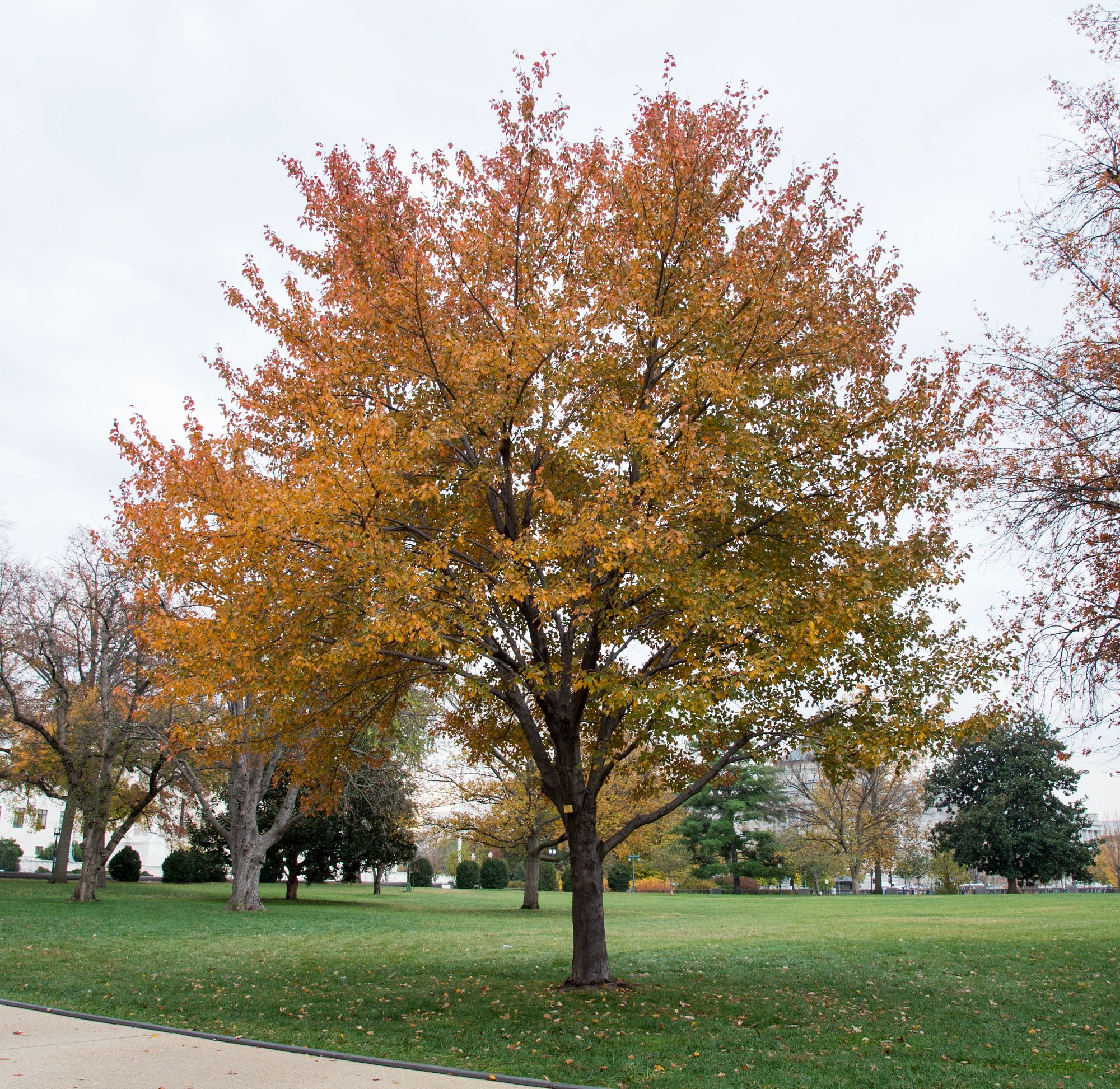
The Eastern Cottonwood is easily recognized by its massive trunk, deeply furrowed grey bark, and shimmering, triangular leaves. These leaves feature coarse teeth along their margins and hang from flattened stalks, allowing them to quiver and rustle gracefully even in the slightest breeze. This characteristic sound of whispering leaves has welcomed travelers across the plains for centuries. During the spring, the tree produces dangling catkins, which eventually release millions of seeds encased in a cotton-like fluff—hence the tree’s descriptive common name.
Ecological Importance in the Prairie Ecosystem
Across the open stretches of Kansas, particularly along riverbanks, floodplains, and near landmarks like the Cimarron National Grassland, the Eastern Cottonwood serves as a keystone species. Because the natural landscape is predominantly grassy plains, these massive trees provide critical shade, nesting sites, and shelter for a wide array of wildlife. Birds of prey, including bald eagles and hawks, frequently build their massive nests high within the sturdy branches of mature cottonwoods. Meanwhile, the shade cast by the sprawling canopy creates micro-habitats where smaller plants and aquatic life can thrive away from the intense Midwestern sun.
Historical Significance and Pioneer Heritage

The story of the Eastern Cottonwood is deeply intertwined with the human history of the American frontier. Long before European settlers arrived, Indigenous peoples utilized virtually every part of the tree. The inner bark served as winter feed for horses, the wood was prized for its low-smoke campfires, and the broad canopies provided vital navigation landmarks across the seemingly endless horizon.
The Lifeline of the Prairie Traveler
For nineteenth-century pioneers traveling west along the Oregon Trail and the Santa Fe Trail, the sight of a towering cottonwood meant one thing above all else: water. Because these trees require significant moisture, their presence invariably signaled a nearby creek, river, or underground aquifer. Travelers navigating the dry, wind-swept expanses of Kansas relied on these arboreal beacons to plan their campsites, water their livestock, and find relief from the scorching summer heat.
A Witness to Settlement
Many historic homesteads and early settlements in Kansas were established explicitly within the shelter belts of cottonwood groves. Towns such as Topeka and Wichita grew near waterways richly populated by these resilient trees. Early farmers planted them not only for windbreaks to protect crops from the fierce prairie winds but also as a fast-growing source of timber for primitive cabins and fencing. In a landscape largely devoid of forests, the cottonwood was an indispensable resource that made permanent habitation possible.
Cultural Legacy and Modern Conservation
Today, the Eastern Cottonwood holds a revered place in the cultural identity of Kansas. It is frequently celebrated in local art, literature, and folklore, embodying the independent and enduring spirit of the people who call the state home. From the rolling hills of the Flint Hills to the western high plains, these magnificent trees continue to frame the iconic horizon of the American heartland.
Protecting and Preserving the Legacy
Despite their legendary hardiness, mature cottonwoods face modern environmental challenges, including prolonged droughts, changing water tables, and severe weather events. Conservation organizations, state parks departments, and local communities in Kansas actively work to preserve existing groves and encourage the planting of native saplings. State parks such as Kanopolis State Park and Cedar Bluff State Park serve as protected sanctuaries where visitors can witness these giants in their natural, pristine habitats.

Experiencing the State Tree Firsthand
For travelers and nature enthusiasts visiting Kansas, observing the state tree offers a profound connection to the natural world. Walking beneath the massive canopy of a centuries-old cottonwood—listening to the distinctive rustle of its leaves in the prairie wind—provides a moment of tranquil reflection. Whether standing solitary against a brilliant golden sunset or lining the winding banks of the Kansas River, the Eastern Cottonwood remains an enduring, majestic symbol of the American landscape.
LifeOutOfTheBox is a participant in the Amazon Services LLC Associates Program, an affiliate advertising program designed to provide a means for sites to earn advertising fees by advertising and linking to Amazon.com. Amazon, the Amazon logo, AmazonSupply, and the AmazonSupply logo are trademarks of Amazon.com, Inc. or its affiliates. As an Amazon Associate we earn affiliate commissions from qualifying purchases.