
Understanding the Hardiness Zone of the Midwest
When planning a garden or exploring the botanical landscape of Kansas City, understanding the local climate is the single most important step for long-term horticultural success. Located in the heart of the American Midwest, Kansas City spans a transitional climatic region that heavily influences which perennial flowers, trees, and shrubs will thrive throughout the changing seasons.
For many years, gardeners relied on generalized USDA hardiness maps that grouped vast swaths of the country together. However, modern updates to the USDA Plant Hardiness Zone Map have provided much greater precision, taking into account microclimates, elevation changes, and shifting weather patterns.
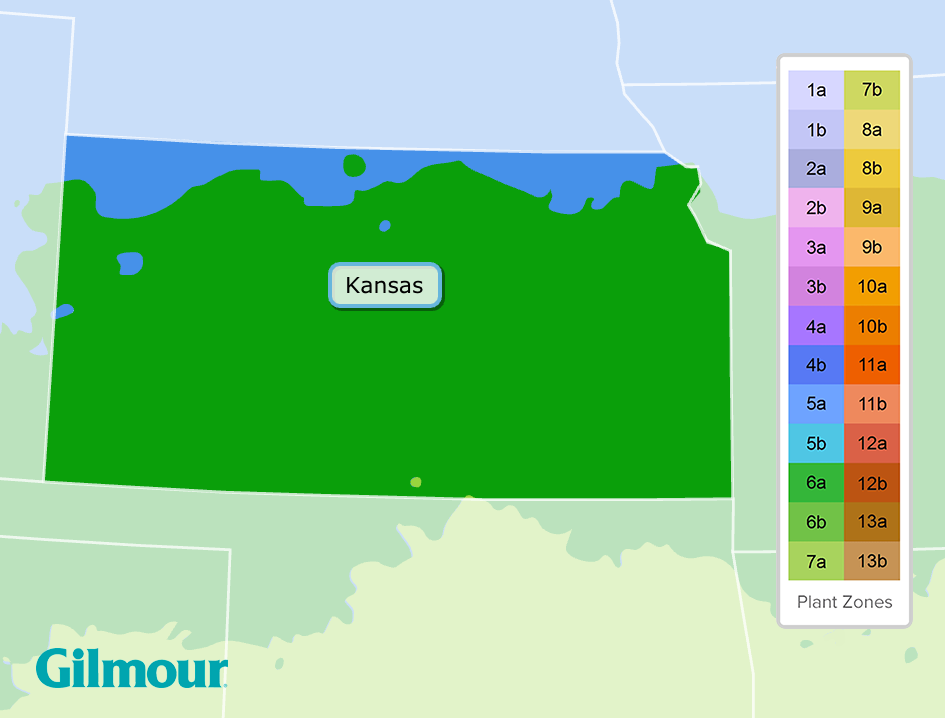
Decoding the USDA Hardiness Map
The United States Department of Agriculture divides the country into geographically defined zones based on the average annual minimum winter temperature. Each zone represents a 10-degree Fahrenheit difference, further split into “a” and “b” sub-zones representing 5-degree increments.
- Zone 5: Characterized by harsher winters with minimum temperatures dropping to -20 to -10 degrees Fahrenheit.
- Zone 6: Features moderate winter lows reaching between -10 and 0 degrees Fahrenheit.
- Zone 7: Mild winter conditions with minimum temperatures ranging from 0 to 10 degrees Fahrenheit.
The Specific Zone for Kansas City
So, what plant zone is Kansas City? The metropolitan area primarily falls under USDA Hardiness Zone 6a, with certain pockets shifting slightly into Zone 6b due to urban heat island effects and localized topography. This means that winter temperatures in the region typically bottom out between -10 and -5 degrees Fahrenheit.
This classification has monumental implications for anyone designing a landscape, managing a community garden, or cultivating native plants across Missouri and neighboring Kansas. Knowing this precise designation prevents gardeners from investing in tender perennials that cannot survive a hard Midwestern freeze, while also encouraging the cultivation of robust, cold-hardy species.
Horticultural Implications and Microclimates
Living in Zone 6a/6b means experiencing a classic four-season continental climate. Summers can be intensely hot and humid, while winters bring periods of deep freeze, heavy frost, and occasional snowfall. This dynamic weather spectrum requires careful selection of flora capable of tolerating both 100-degree summer days and sub-zero winter nights.
The Impact of Urban Heat Islands
While the standard classification for Kansas City is Zone 6a, urban planners and avid gardeners must account for microclimates. The dense concentration of asphalt, concrete, and buildings in downtown Kansas City creates an “urban heat island.”
- Heat Retention: Downtown areas and heavily paved zones absorb solar radiation during the day and slowly release it at night, keeping winter temperatures slightly warmer than the surrounding countryside.
- Sub-Zone Shifts: Urban core gardens may occasionally perform closer to Zone 6b, allowing for the successful cultivation of marginally hardy plants that might struggle in wide-open rural expanses outside the city limits.
- Wind Tunnels: High-rise architecture can create localized wind tunnels, increasing wind chill factors and accelerating moisture loss in evergreen foliage during freezing months.
Soil Composition and Drainage
Beyond temperature zones, the soil characteristics of the Midwest play a massive role in plant survival. The region features heavy clay soils that retain moisture exceptionally well during spring rains but can become rock-hard and prone to cracking during summer droughts.
Gardeners working within this plant zone must frequently amend their soil with organic matter, compost, and coarse sand to ensure proper drainage. Root rot is a common hazard for plants that cannot tolerate sitting in water-logged clay during the freeze-thaw cycles of late winter and early spring.
Designing a Garden for Zone 6 Success

Creating a resilient, visually stunning landscape in Kansas City requires a strategic blend of native perennials, ornamental grasses, and carefully chosen woody plants. Because the region experiences dramatic weather swings, diversity is the key to a healthy garden ecosystem.
Native Plants That Thrive
Utilizing native flora is the best way to ensure low-maintenance and high-impact landscaping. These species have evolved over thousands of years to withstand the specific rigors of the local climate, from deep winter freezes to scorching summer dry spells.
- Purple Coneflower (Echinacea purpurea): A staple of Midwestern prairies, this resilient perennial handles heat, drought, and winter cold with ease while attracting essential pollinators.
- Black-Eyed Susan (Rudbeckia hirta): Highly adaptable and deeply rooted, providing brilliant golden blooms from mid-summer well into the autumn months.
- Switchgrass (Panicum virgatum): A magnificent native ornamental grass that stands strong against winter winds and offers striking structural beauty year-round.
- Butterfly Weed (Asclepias tuberosa): Essential for monarch butterflies, this deep-rooted perennial thrives in dry, sunny garden spots typical of the region.
Selecting Trees and Shrubs
Woody plants represent a long-term investment in any landscape design. When planting trees and shrubs in Kansas City, selecting specimens rated specifically for Zone 6 ensures they will mature gracefully without succumbing to winter kill.
- Eastern Redbud (Cercis canadensis): The official state tree of Oklahoma but deeply native to the United States interior, producing breathtaking pink-purple blooms every spring.
- Bur Oak (Quercus macrocarpa): A majestic, incredibly hardy native tree capable of living for centuries and weathering severe Midwestern storms.
- Ninebark (Physocarpus opulifolius): A tough, drought-tolerant deciduous shrub offering peeling bark, attractive foliage, and excellent resistance to pests and diseases.
Botanical Attractions and Public Gardens
For those wishing to witness firsthand what thrives within this plant zone, Kansas City boasts world-class horticultural institutions that showcase the absolute best of Midwestern gardening.
Powell Gardens
Located just a short drive outside the city center, Powell Gardens serves as Kansas City’s premier botanical botanical showcase. Encompassing nearly a thousand acres of lush landscape, this destination highlights native prairie restorations, extensive daylily collections, and stunning seasonal displays. Visitors can study how Zone 6 plants integrate seamlessly into formal gardens, naturalistic meadows, and woodland trails.
Overland Park Arboretum and Botanical Gardens
Situated nearby in Overland Park, the Overland Park Arboretum and Botanical Gardens offers hundreds of acres of northern ecotone flora, featuring beautiful walking paths, streams, sculpture gardens, and extensive conifer collections that demonstrate how evergreen species withstand regional climate shifts.
Kauffman Memorial Garden
Nestled right in the cultural heart of the city, the Kauffman Memorial Garden provides a masterclass in urban horticulture. Featuring an exquisite collection of perennial borders, mature shade trees, and meticulously manicured boxwood hedges, it proves that sophisticated, high-end landscape design can flourish brilliantly within the parameters of Zone 6a.
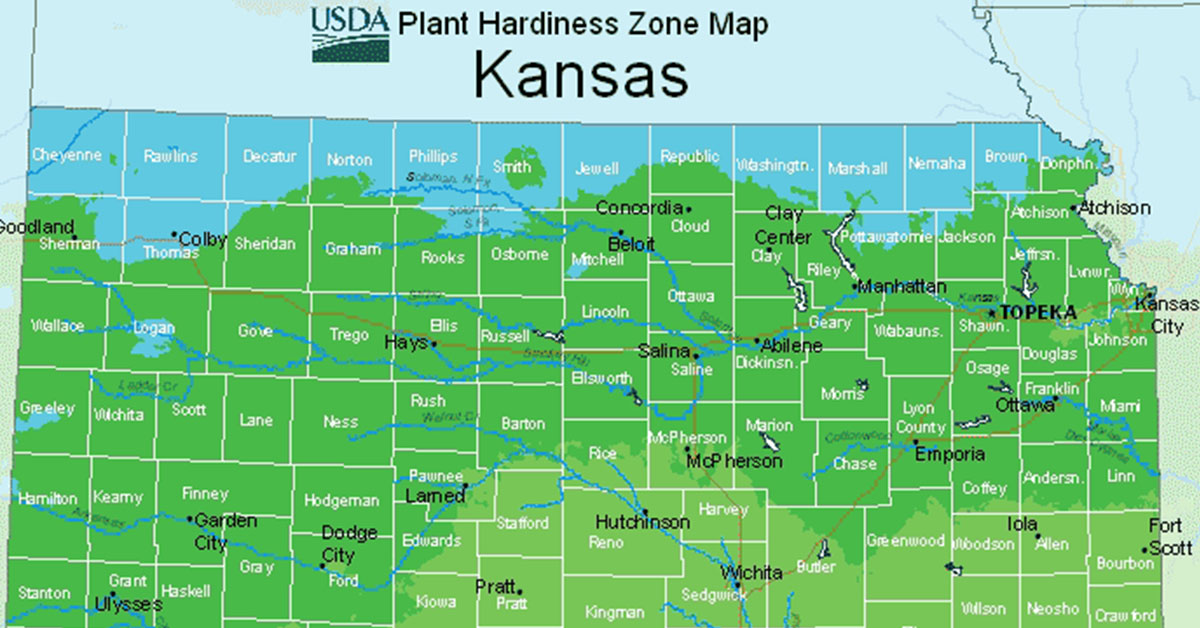
Future Climate Shifts and Adaptation
As global weather patterns continue to evolve, the USDA plant hardiness zones are slowly shifting northward. Recent mapping updates have already bumped portions of the country into warmer zones, and Kansas City is no exception.
Gardeners and landscape professionals in the region are increasingly experimenting with plants traditionally reserved for warmer climates, such as certain palm varieties, crape myrtles, and southern magnolias. However, the risk of erratic polar vortex events—which can plunge the Midwest into sudden, catastrophic deep freezes—remains a vital reminder that classic Zone 6 resilience should never be entirely underestimated.
By respecting the realities of Zone 6a/6b, utilizing native species, and adapting to localized microclimates, anyone living in or visiting Kansas City can cultivate a thriving, vibrant, and enduring botanical oasis.
LifeOutOfTheBox is a participant in the Amazon Services LLC Associates Program, an affiliate advertising program designed to provide a means for sites to earn advertising fees by advertising and linking to Amazon.com. Amazon, the Amazon logo, AmazonSupply, and the AmazonSupply logo are trademarks of Amazon.com, Inc. or its affiliates. As an Amazon Associate we earn affiliate commissions from qualifying purchases.