
Understanding the Heart of America’s Growing Climate
When garden enthusiasts and home landscapers look to cultivate vibrant outdoor spaces in the Midwest, understanding the local climate is the absolute first step toward success. Situated along the border of Missouri and Kansas, Kansas City boasts a dynamic environment characterized by distinct seasons, warm summers, and crisp winters. Knowing the exact hardiness classification for this region dictates which perennials will thrive, when to start seeds indoors, and how to protect delicate greenery from sudden temperature drops.
The United States Department of Agriculture establishes plant hardiness guidelines based on the average annual extreme minimum winter temperatures. For anyone designing a garden in this Midwestern hub, navigating these meteorological zones ensures that flora flourishes year after year. Whether you are planting native shrubs near the Nelson-Atkins Museum of Art or designing a residential oasis near Country Club Plaza, mastering local climate data transforms a standard yard into a thriving botanical showcase.

The Official USDA Hardiness Classification
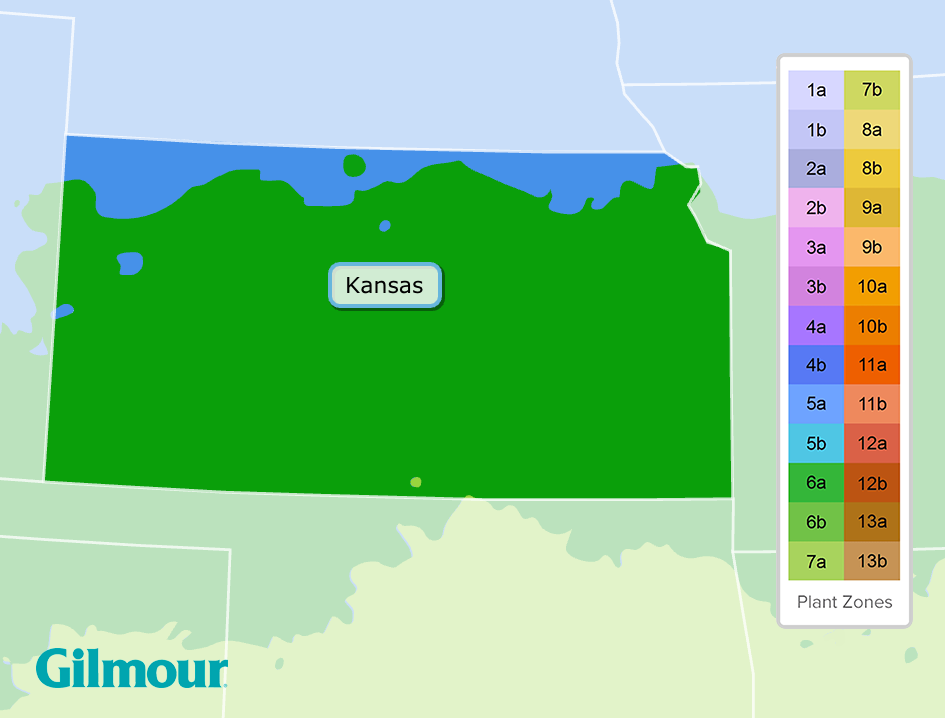
For many years, Kansas City was broadly categorized under a single hardiness designation, but recent updates have brought more precision to regional horticulture. The area primarily falls into USDA Zone 6b, though certain microclimates and specific neighborhoods stretch into Zone 7a.
- Zone 6b: Experiences average annual extreme minimum temperatures between -5°F and 0°F.
- Zone 7a: Experiences average annual extreme minimum temperatures between 0°F and 5°F.
This dual-zone reality means that gardeners living closer to the urban heat island effect of downtown Kansas City or near the Missouri River might enjoy slightly warmer conditions than those residing in the outlying rural valleys or northern suburbs. Recognizing whether your specific plot sits in 6b or 7a prevents winterkill and optimizes perennial selection.
Selecting Perennials, Trees, and Shrubs for the Region
Thriving in the local landscape requires selecting plants engineered to withstand hot, humid summers and freezing winter periods. Because the region experiences all four seasons in dramatic fashion, hardiness ratings serve as your ultimate roadmap for long-term landscaping investments.
Perennial Flowers That Flourish
Perennials form the structural backbone of any lasting garden design. In this part of the United States, plants must possess deep root systems capable of surviving frozen soil layers while waking up vigorously when spring arrives.

- Coneflowers (Echinacea): Exceptionally hardy, drought-tolerant once established, and beloved by local pollinators.
- Black-Eyed Susans (Rudbeckia): Bright, golden blooms that handle the scorching July and August heat with remarkable resilience.
- Russian Sage: Offers striking purple spires and silver foliage, tolerating heavy clay soils common throughout Jackson County.
- Peonies: Traditional favorites that benefit from the cold winter chill hours required to produce their magnificent spring blossoms.
Trees and Woody Ornamentals
Selecting trees and heavy shrubs requires looking beyond a single season of interest. The canopy of Kansas City features magnificent specimens that provide summer shade, brilliant autumn color, and sturdy winter architecture. Native trees such as the Eastern Redbud, Sugar Maple, and various species of Oak adapt seamlessly to the local climate. When planting near historic districts like Westport or sprawling parks like Loose Park, arborists consistently recommend native varieties that resist local pests and weather extremes.
Seasonal Gardening Strategies and Frost Dates
A successful harvest and a vibrant landscape depend heavily on timing. Knowing when frost threatens your tender annuals and vegetables dictates the rhythm of your outdoor chores throughout the calendar year.
Navigating Spring and Autumn Frosts
The transition between winter and spring in the Midwest can be notoriously unpredictable. A warm week in March can easily be followed by a sudden freeze in April.
- Average Last Spring Frost: Typically occurs between mid-April and late April.
- Average First Fall Frost: Usually arrives between mid-October and late October.
Gardeners should wait until all danger of hard frost has passed before planting warm-season crops like tomatoes, peppers, and tropical annuals directly into the earth. Utilizing cold frames or starting seeds indoors in late winter gives local growers a helpful head start.
Soil Composition and Preparation
Beyond temperature zones, the physical composition of your dirt plays a monumental role in plant health. Much of the terrain around Kansas City features dense, nutrient-rich clay soil. While clay retains moisture and essential minerals wonderfully, it can also become compacted and hinder root expansion during heavy rains or drought.
Incorporating organic matter, such as well-composted manure, leaf mold, or aged bark, breaks up heavy clay and improves overall drainage. Mulching beds heavily before winter sets in protects root zones from extreme temperature fluctuations, ensuring your landscape emerges healthy and vibrant when spring finally returns to the Plains.
LifeOutOfTheBox is a participant in the Amazon Services LLC Associates Program, an affiliate advertising program designed to provide a means for sites to earn advertising fees by advertising and linking to Amazon.com. Amazon, the Amazon logo, AmazonSupply, and the AmazonSupply logo are trademarks of Amazon.com, Inc. or its affiliates. As an Amazon Associate we earn affiliate commissions from qualifying purchases.