
Understanding the Demographics of the Heart of America
When travelers, researchers, and prospective residents begin looking into the largest municipality in Missouri, a common question arises: What’s the population of Kansas City? The answer depends heavily on whether you are looking at the city proper, the bustling bi-state metropolitan area, or the distinct twin city just across the state line in Kansas. Understanding these population dynamics offers a fascinating look at how a historic Midwestern crossroads has evolved into a thriving cultural and economic hub.
City Proper Versus Metropolitan Area
To truly grasp the demographic scale of Kansas City, one must differentiate between the official city limits and the greater metropolitan statistical area. Within its formal boundaries, Kansas City spans an impressive geographic footprint of over 315 square miles, making it one of the largest cities in the United States by land area.

- City Proper Population: Recent census estimates place the population of the city proper at approximately 508,000 residents. This makes it the most populous municipality in the state of Missouri, narrowly surpassing St. Louis.
- Metropolitan Statistical Area (MSA): The broader metropolitan region—often referred to as Kansas City MSA—extends across both Missouri and Kansas, encompassing counties like Jackson County, Johnson County, and Clay County. This entire urban and suburban ecosystem boasts a population of roughly 2.2 million people.
The Unique Bi-State Dynamic
One of the most defining characteristics of the region is its division across two states. While the larger portion of the urban center lies within Missouri, a significant portion of the metropolitan population resides in the state of Kansas.
- Kansas City, Kansas: Directly adjacent to its larger Missouri counterpart sits Kansas City, Kansas, locally known as “KCK.” This municipality maintains its own distinct local government, distinct neighborhoods, and a population of roughly 155,000 residents.
- Suburban Growth on the Kansas Side: Major suburban hubs within the metro area, such as Overland Park and Olathe, have experienced rapid residential and commercial growth over the last few decades, contributing massively to the total regional population count.
Growth Trends and Urban Development
The demographic trajectory of Kansas City has shifted dramatically over the past two decades. Once characterized by classic mid-century suburbanization, the region is now experiencing a profound urban renaissance that continues to draw new residents from across the country.
The Downtown Residential Boom
For years, the urban core emptied out during the evening hours as commuters returned to outlying suburbs. However, investments in infrastructure, entertainment districts, and residential conversions have completely transformed the inner city.
- The Power and Light District: This vibrant entertainment neighborhood sparked a wave of downtown revitalization, bringing restaurants, nightlife, and modern apartment complexes to the center of town.
- The KC Streetcar: The implementation of the free modern streetcar line, running through the heart of downtown from River Market to Union Station, has fueled intense real estate development. Current population projections for the central core anticipate continued growth as new high-rise residential towers reach completion.
Attracting New Residents

What drives people to move to Kansas City? Beyond the affordable cost of living compared to coastal metropolises, the region offers a high quality of life, robust job markets in technology, healthcare, and logistics, and a welcoming Midwestern culture. Neighborhoods like Crossroads Arts District and Westport continually attract young professionals, artists, and families looking for walkable, culturally rich urban environments.
Cultural Impact and Economic Influence
A population of 2.2 million people grants Kansas City an economic and cultural punch well above its weight class. The city is a major powerhouse in the American Heartland, influencing everything from global food culture to professional sports and architectural history.
A Culinary and Artistic Capital
The demographic makeup of the area has fostered a diverse culinary and arts scene that draws travelers from all over the globe.
- World-Famous Barbecue: The city’s legendary barbecue tradition is a point of immense civic pride, celebrated at iconic eateries like Arthur Bryant’s Barbecue and Gates Bar-B-Q.
- Jazz and Blues Heritage: Historically, the 18th and Vine Historic District served as a crucible for jazz legends like Charlie Parker, shaping the musical identity of the nation. The American Jazz Museum preserves this vital heritage for modern visitors.
- Visual Arts: The Nelson-Atkins Museum of Art, featuring its famous expansive sculpture park, stands as a world-class cultural institution accessible to the entire metropolitan population and tourists alike.
Sports Culture and Civic Pride
Few cities rally around their sports franchises quite like Kansas City. The passionate fanbase creates a unified community identity that bridges the state line.
- Arrowhead Stadium: Home to the Kansas City Chiefs, this legendary venue is renowned for holding world records for crowd noise, reflecting the unmatched enthusiasm of local sports fans.
- Kauffman Stadium: Located right next door, the home of the Kansas City Royals offers a classic baseball experience.
- Soccer Capital: The rise of Sporting Kansas City and the passionate support for soccer further highlight the dynamic, modern sports culture thriving within the metropolitan populace.
Planning Your Visit to the Metropolitan Area
For travelers exploring the region, understanding the population distribution helps in planning an efficient itinerary. Because the area is spread across a vast geographic expanse, relying on a vehicle or utilizing expanding public transit options is essential for experiencing everything the destination has to offer.
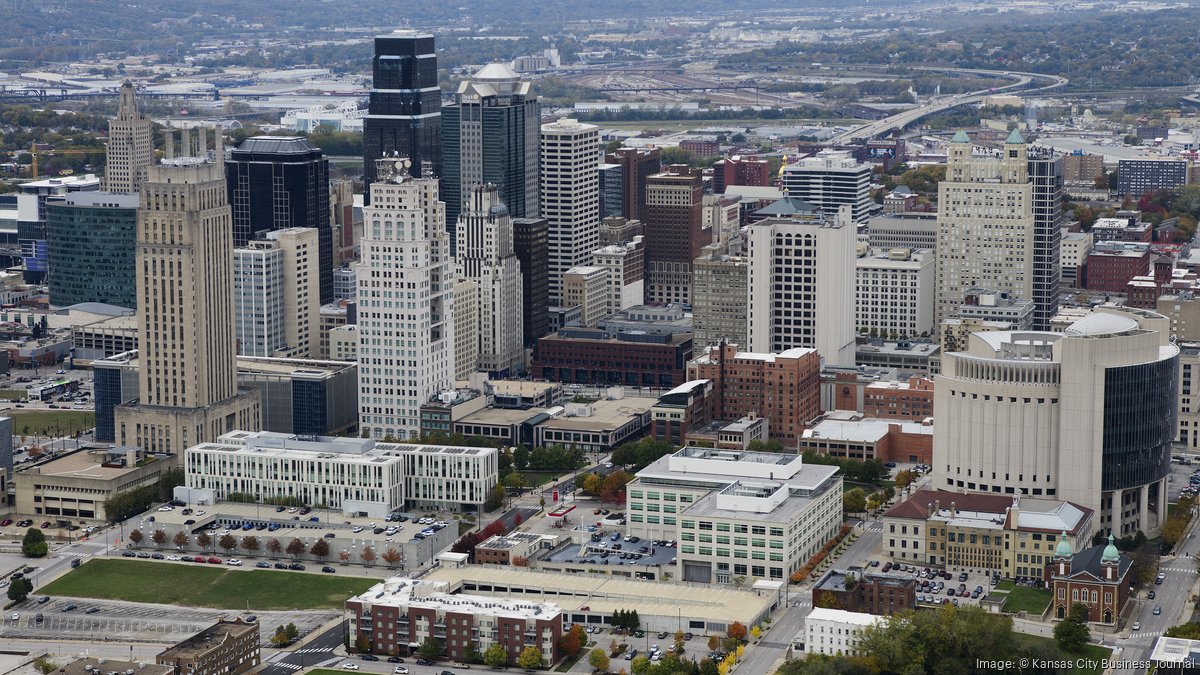
Key Neighborhoods and Districts to Explore
When navigating a city of over half a million residents within its core, focusing on distinct cultural zones ensures a rewarding travel experience:
- Country Club Plaza: Modeled after Seville, Spain, this historic outdoor shopping and dining district offers stunning architecture, Spanish-inspired fountains, and upscale boutiques.
- Downtown and Crown Center: Ideal for families and architecture enthusiasts, this area houses major hotels, interactive museums, and the stunning historic Union Station.
- Brookside and Waldo: Charming residential neighborhoods offering boutique shopping, local cafes, and a glimpse into the classic residential architecture that houses many local families.
Whether you are looking at the foundational census data or experiencing the vibrant energy of the streets firsthand, the population of Kansas City represents a dynamic blend of historic tradition and modern metropolitan growth.
LifeOutOfTheBox is a participant in the Amazon Services LLC Associates Program, an affiliate advertising program designed to provide a means for sites to earn advertising fees by advertising and linking to Amazon.com. Amazon, the Amazon logo, AmazonSupply, and the AmazonSupply logo are trademarks of Amazon.com, Inc. or its affiliates. As an Amazon Associate we earn affiliate commissions from qualifying purchases.