
Understanding the Demographics of Wichita
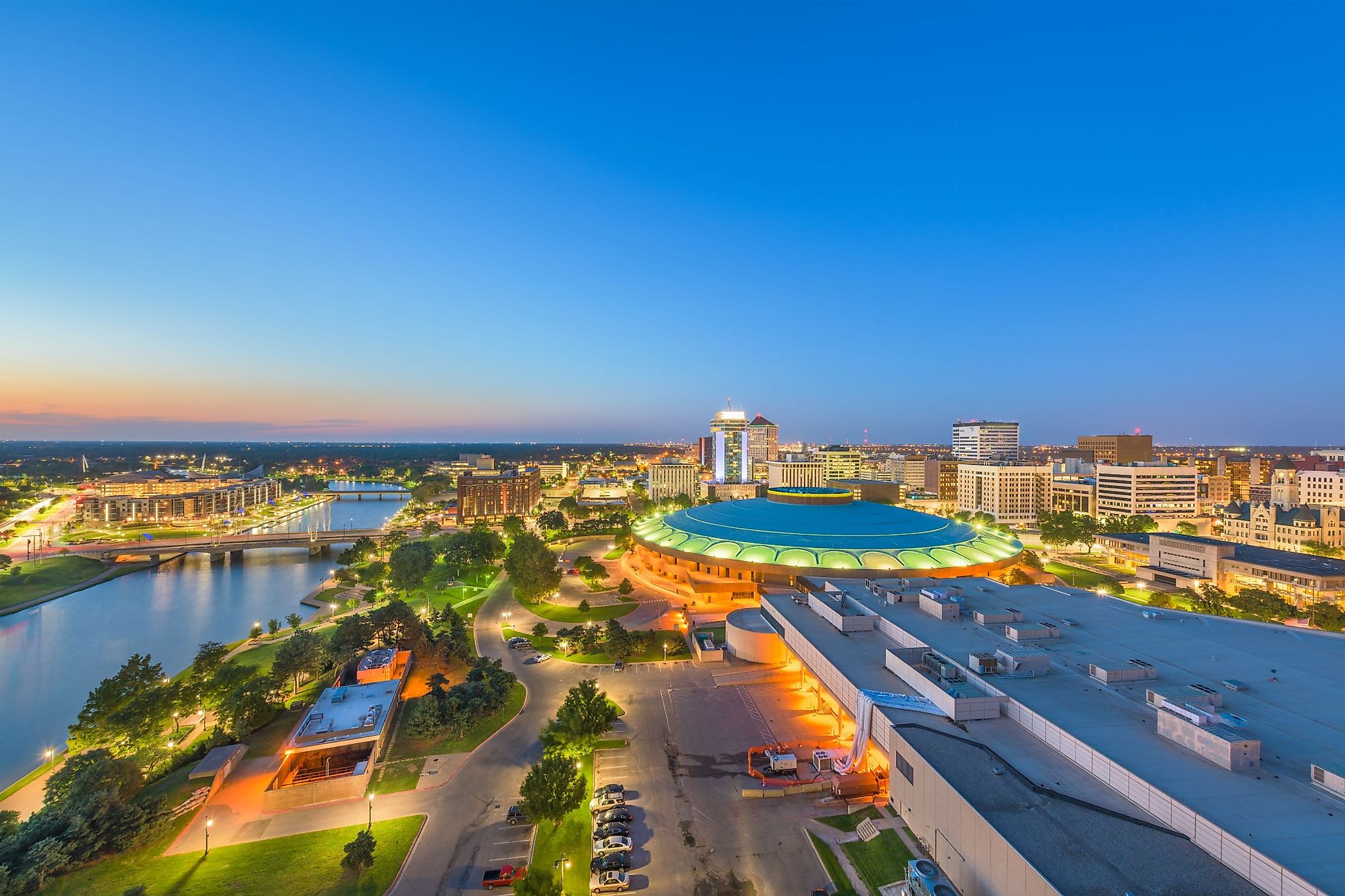
When exploring the vibrant heart of Kansas, one naturally wonders about the scale of its largest urban center. Understanding the population of Wichita offers a fascinating glimpse into the growth, cultural diversity, and economic heartbeat of the American Midwest. As of the most recent estimates and census data, the city proper boasts a population of approximately 400,000 residents, making it the most populous municipality in the state. However, looking merely at the city limits only tells part of the story.
The broader Wichita metropolitan area, which spans several surrounding counties including Sedgwick County, houses over 650,000 people. This regional hub acts as an economic and cultural anchor for south-central Kansas. Urban planners and demographers often study this population because it reflects a unique blend of steady, sustainable growth paired with a cost of living that continues to attract families, young professionals, and retirees alike.

Historical Growth and Expansion
To truly grasp current demographic figures, it helps to examine how the municipality evolved from a trading post into a bustling aviation metropolis. Founded along the banks of the Arkansas River, the region experienced explosive growth during the late 19th and early 20th centuries, largely driven by the cattle trade and subsequent oil discoveries. Later, the birth of the aviation industry earned the city its enduring moniker, the “Air Capital of the World.”
During the mid-20th century, post-war manufacturing booms propelled rapid suburban development. Neighborhoods expanded outward, leading to the annexation of surrounding land and a steady upward trajectory in census numbers. Unlike coastal mega-cities that experience volatile population spikes and drops, this community has maintained a resilient, organic growth pattern rooted in strong industrial foundations and a stable job market.
Diversity and Community Composition
Beyond raw numbers, the demographic fabric of the area is rich and multifaceted. The population comprises a diverse mix of cultural backgrounds, contributing to a vibrant local scene. Recent decades have seen a significant increase in ethnic diversity, enhancing the cultural landscape with a variety of traditions, festivals, and culinary experiences.
Age distribution within the city remains relatively balanced. While it attracts a substantial workforce due to major manufacturing and healthcare sectors, it also features a thriving community of retirees who appreciate the relaxed pace of life, quality healthcare facilities, and accessible neighborhoods. This generational balance ensures that local amenities, from public parks to community centers, cater to a wide spectrum of lifestyle needs.
Economic Drivers Influencing Population Trends
The Aviation and Manufacturing Hub

The population dynamics of any major city are inextricably linked to its economy, and Wichita is no exception. Known globally as the birthplace of aviation pioneers, the region is home to major aerospace giants such as Textron Aviation, Spirit AeroSystems, and Bombardier Aviation. These industry leaders draw thousands of skilled engineers, technicians, and support staff to the region, creating a steady influx of new residents seeking career advancement and long-term stability.
This heavy concentration of high-tech manufacturing jobs creates a ripple effect across the local economy. Ancillary businesses, supply chain logistics, and educational institutions—such as Wichita State University—thrive in this ecosystem. The university, in particular, plays a vital role in population retention and growth, injecting thousands of young scholars into the local talent pool every year, many of whom choose to build their lives and careers in the area after graduation.
Healthcare, Education, and Quality of Life
Aside from aviation, healthcare serves as another massive pillar supporting the regional population. Medical centers like Ascension Via Christi and Wesley Medical Center employ thousands of healthcare professionals, making the city a regional medical destination for patients across Kansas and northern Oklahoma. This robust healthcare infrastructure appeals greatly to families and older adults looking for security and top-tier medical services.
Furthermore, the allure of a high quality of life acts as a powerful retention tool. Residents enjoy minimal commute times compared to larger coastal metropolises, affordable housing options, and an abundance of green spaces. Attractions like the Sedgwick County Zoo, the Botanica, The Wichita Gardens, and the historic Old Town District provide ample recreation, ensuring that the community remains an engaging place to live, work, and play.
Comparing Wichita to Other Midwestern Cities
Scale and Regional Significance
When evaluating the population of Wichita in a broader geographical context, it occupies a unique space among Midwestern urban centers. While it is smaller than regional giants like Kansas City or Oklahoma City, it holds a distinct advantage in terms of urban efficiency and accessibility.
The city provides all the amenities of a major metropolitan area—such as a vibrant arts scene, symphony orchestras, minor league sports teams, and diverse culinary offerings—without the overwhelming congestion, high cost of living, and heavy traffic associated with larger hubs. This sweet spot makes it an attractive destination for individuals and families looking to relocate from densely populated coastal states in search of a more balanced lifestyle.
Migration and Future Projections
Demographic forecasters anticipate that the population will continue its steady, moderate growth trajectory in the coming years. As remote work flexibility rises and families seek affordable housing markets with strong economic fundamentals, secondary Midwestern cities are experiencing renewed interest. Initiatives by local government and economic development boards to revitalize downtown spaces, improve public transit, and expand tech incubators further enhance the city’s appeal.
Ultimately, the population of Wichita—hovering around 400,000 in the city and over 650,000 in the metro area—represents a thriving community rooted in innovation, industrial strength, and Midwestern hospitality. Whether you are analyzing census data for demographic research, considering a relocation, or simply satisfying your curiosity about this prominent Midwestern hub, the numbers reveal a dynamic city with a bright and resilient future.
LifeOutOfTheBox is a participant in the Amazon Services LLC Associates Program, an affiliate advertising program designed to provide a means for sites to earn advertising fees by advertising and linking to Amazon.com. Amazon, the Amazon logo, AmazonSupply, and the AmazonSupply logo are trademarks of Amazon.com, Inc. or its affiliates. As an Amazon Associate we earn affiliate commissions from qualifying purchases.