
Understanding the Climate of the Sunflower State
When planning a journey through the heartland of America, understanding atmospheric conditions is essential for a seamless itinerary. Kansas sits squarely in the Midwestern and Great Plains regions of the United States, positioning it directly in a continental climate zone. This geographical positioning means that the region experiences distinct, sometimes dramatic, transitions between all four seasons. For travelers, explorers, and culture seekers mapping out an adventure across North America, knowing what to expect from the skies above helps in curating the ultimate packing list and scheduling outdoor excursions.
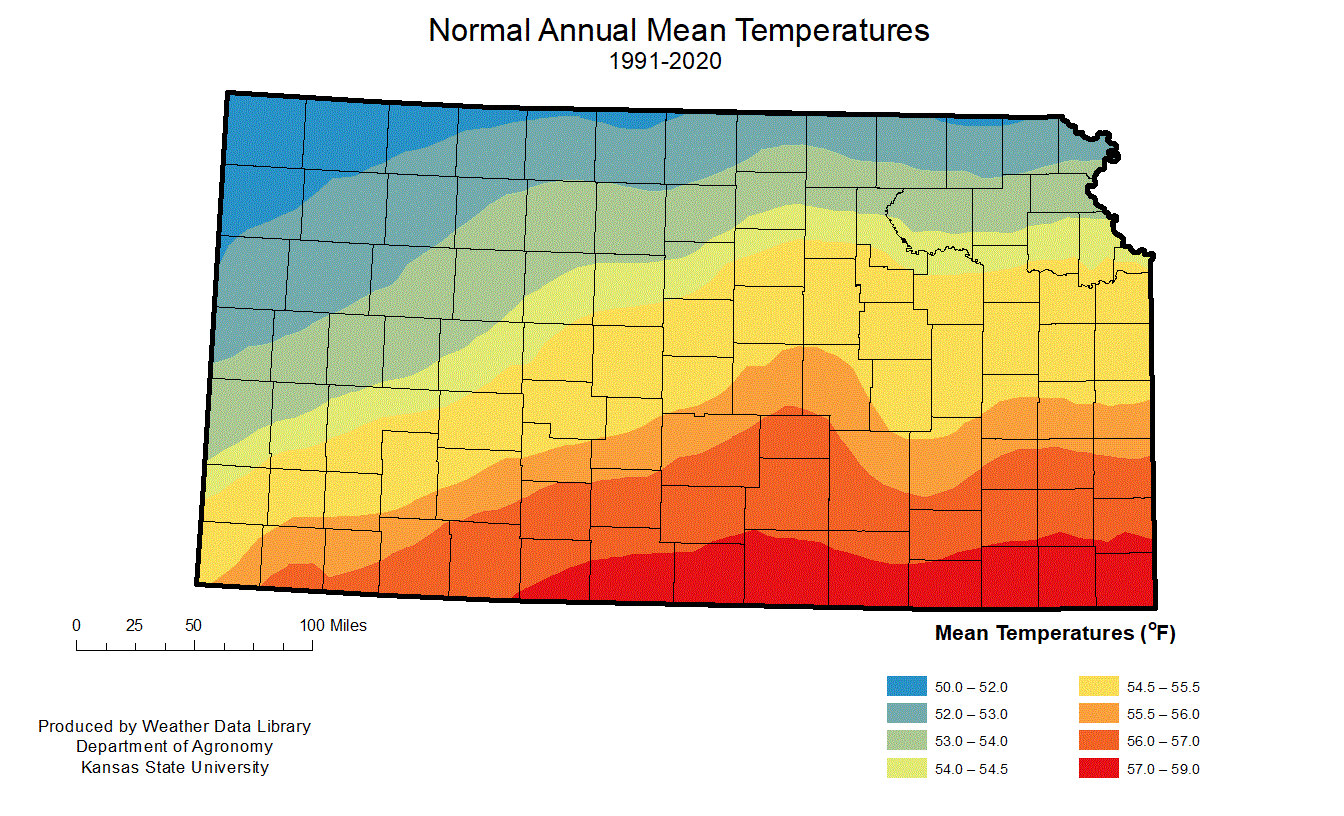
The state’s topography is characterized by gently rolling hills in the east and increasingly flat, high plains as you move toward the west. Without major natural barriers like large mountain ranges to block incoming air masses, Kansas is famous for meeting points of differing weather systems. Warm, moist air from the Gulf of Mexico frequently collides with cold, dry air sweeping down from Canada. This dynamic interaction creates an atmosphere that is perpetually shifting, offering visitors an authentic taste of classic continental weather patterns.
Seasonal Breakdown for Travelers
Spring: Wildflowers and Dramatic Skies
Springtime in Kansas is a season of profound renewal and striking atmospheric theatre. As winter recedes, temperatures begin a steady climb, often fluctuating wildly from day to day. March and April can bring crisp, breezy mornings followed by delightfully mild afternoons, perfect for exploring outdoor attractions like the Botanica Wichita gardens or walking through the historic districts of Lawrence.
However, spring is also renowned for its active weather systems. As warm and cold fronts clash across the plains, visitors may witness impressive thunderstorms. While these storms can bring heavy rainfall and occasionally severe weather, they also clear the air to reveal stunning, endless blue skies and brilliant sunsets that photographers travel from all over to capture.
Summer: Warm Sunshine and Golden Horizons
Summer brings sustained warmth and abundant sunshine to the region. Temperatures frequently climb into the high 80s and mid-90s Fahrenheit, particularly during July and August. While the afternoon sun can be intense, the humidity levels vary significantly depending on where you are exploring. Eastern areas, near cities like Kansas City and Topeka, experience higher humidity, while western regions near Dodge City offer a drier, crisp heat.
Despite the warmth, summer evenings are often exceptionally pleasant, featuring gentle breezes that make outdoor dining, concerts, and festivals a delight. This is the prime season for road trips along the Flint Hills National Scenic Byway, where the native tallgrass prairies wave in the warm summer wind, displaying a rich, verdant landscape.
Autumn: Crisp Air and Foliage Spectacles
For many seasoned travelers, autumn is the absolute best time to experience the region. September and October introduce crisp, refreshing air with daytime temperatures hovering comfortably in the 60s and 70s. Humidity drops dramatically, and the state’s abundant tree populations begin to transform into vibrant shades of amber, crimson, and gold.

Outdoor enthusiasts flock to locations like Tallgrass Prairie National Preserve during these months. The comfortable climate allows for long hikes, cycling excursions, and historical tours without the intense heat of mid-summer or the biting chill of late winter. It is a season of harvest festivals, outdoor markets, and clear, starry nights ideal for stargazing away from city lights.
Winter: Serene Landscapes and Cool Explorations
Winters in Kansas are generally cold, dry, and punctuated by periods of bright winter sunshine. Average daytime temperatures range from the 30s to the 40s Fahrenheit, though occasional arctic fronts can push temperatures below freezing for a few days at a time. Snowfall occurs throughout the season, transforming the rolling hills and historic landmarks—such as the State Capitol Building in Topeka—into serene, white-dusted postcards.
While winter travel requires proper outerwear, the crisp conditions offer unique advantages. Indoor cultural attractions, world-class museums like the Cosmosphere in Hutchinson, and cozy local eateries can be enjoyed without the bustling crowds of peak tourist seasons.
Regional Variations Across the State
Eastern Kansas: Lush and Humid Continental
The eastern third of the state features a humid continental climate influenced heavily by moisture moving up from the south. Cities like Overland Park and Manhattan experience greener landscapes, denser forests, and slightly higher annual precipitation. Rainfall is well-distributed throughout the year, keeping the regional parks and river valleys lush and vibrant. Summers here feel warmer due to the humidity, while winters remain moderate compared to northern Midwestern states.
Central Kansas: The Transitional Heartland
As you journey toward the central corridor, encompassing vibrant hubs like Salina, the climate becomes a transitional zone between the humid east and the semi-arid west. This region experiences balanced weather patterns with reliable sunshine and moderate rainfall. It is an agriculturally rich area where travelers can witness vast expanses of golden wheat fields swaying under expansive skies that seem to stretch on forever.
Western Kansas: High Plains and Semi-Arid Skies
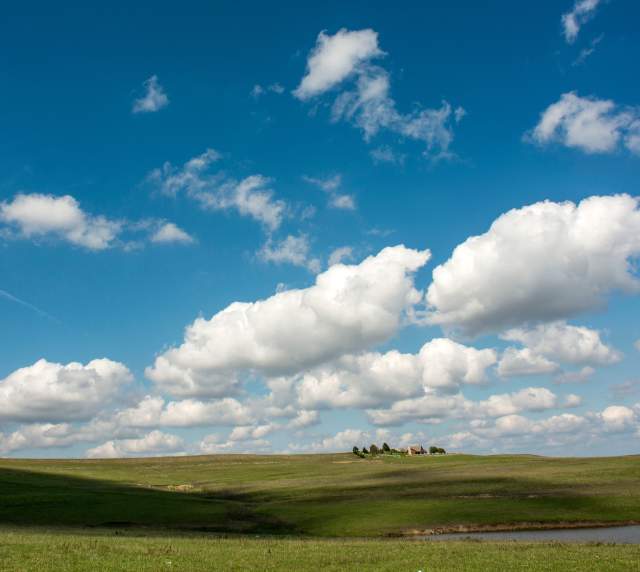
Moving further west toward Garden City, the elevation rises toward the high plains, and the climate shifts to semi-arid. Precipitation is notably lower here, and the air is remarkably dry. Summers are hot with rapid cooling after sunset, while winters can bring brisk winds sweeping down from the Rocky Mountains. The skies in western Kansas are famously clear, offering some of the most breathtaking panoramic views and unobstructed horizons in the country.
Travel Planning Tips for Every Forecast
What to Pack for Your Journey
Because conditions can vary significantly depending on the season and the time of day, strategic packing is the key to travel comfort.
- Layering Essentials: Bring breathable shirts, light sweaters, and a durable windbreaker or jacket. Layering allows you to adapt quickly as temperatures shift from cool mornings to warm afternoons.
- Sun Protection: Regardless of the season, the central plains receive ample sunshine. High-SPF sunscreen, polarized sunglasses, and a wide-brimmed hat are non-negotiable items for any travel bag.
- Footwear: If you plan on exploring historic downtowns, state parks, or nature trails, pack sturdy, comfortable walking shoes or hiking boots.
- Weather Gear: A compact umbrella or lightweight rain jacket is always wise to keep handy, particularly during the active spring months.
Monitoring Current Conditions
Before heading out for a day of sightseeing at destinations like the Monument Rocks or visiting the museums of Wichita, it is always wise to check local forecasts. Modern mobile applications and regional broadcast networks provide real-time radar and hourly updates, ensuring you remain well-prepared for whatever the atmospheric conditions might bring.
Ultimately, the changing skies are an integral part of the authentic Midwestern experience. Whether you are chasing golden hour light across the endless plains, enjoying a crisp autumn hike, or marveling at a dramatic spring horizon, understanding the rhythm of the local climate ensures an unforgettable, well-prepared travel adventure.
LifeOutOfTheBox is a participant in the Amazon Services LLC Associates Program, an affiliate advertising program designed to provide a means for sites to earn advertising fees by advertising and linking to Amazon.com. Amazon, the Amazon logo, AmazonSupply, and the AmazonSupply logo are trademarks of Amazon.com, Inc. or its affiliates. As an Amazon Associate we earn affiliate commissions from qualifying purchases.