
The Current Legal Landscape of Cannabis in Kansas
For residents and visitors traveling through the heart of the American Midwest, navigating the patchwork of state laws regarding cannabis can be surprisingly complex. While neighboring states like Colorado and Missouri have fully embraced recreational and medical marijuana markets, Kansas remains one of the few holdouts where the plant’s legal status is severely restricted. Understanding the timeline and the legislative hurdles is essential for anyone interested in the cultural and legal evolution of this region.
At present, recreational cannabis is entirely illegal in Kansas. Possession of even small amounts can result in misdemeanor criminal charges, fines, and potential jail time. Medical cannabis faces a similarly restrictive environment. Despite numerous attempts by lawmakers to introduce comprehensive medical marijuana programs, the state legislature has repeatedly stalled or voted down these initiatives. The only exception relates to products containing very low levels of THC, such as certain CBD oils derived from hemp, which comply with federal agricultural guidelines.
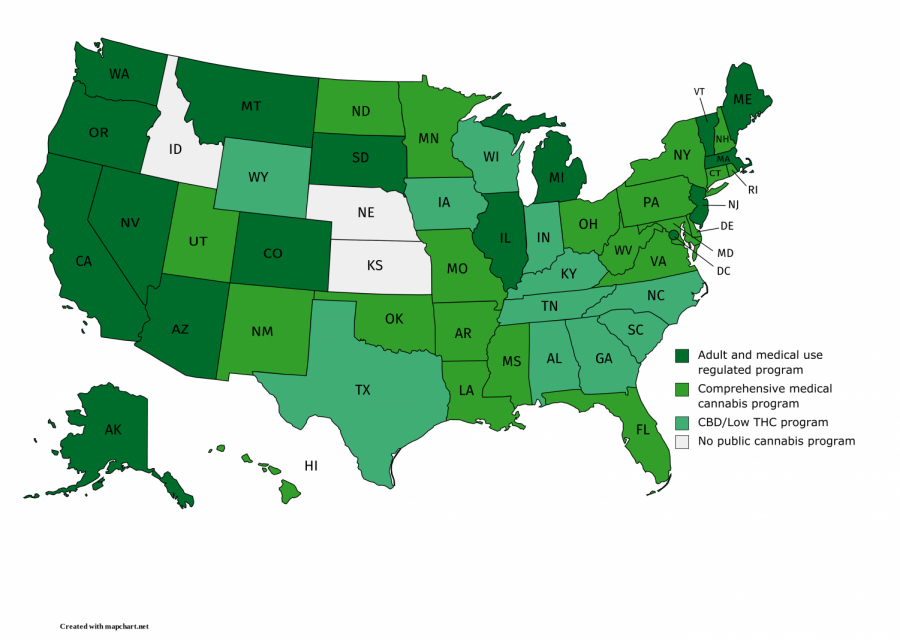
Public Opinion Versus Legislative Inertia
The debate in Kansas highlights a stark contrast between public sentiment and legislative action. Polls consistently show that a majority of Kansans favor some form of legalized cannabis, particularly for medical use by patients suffering from chronic illnesses, PTSD, or terminal conditions. Cities such as Wichita and Lawrence have previously explored local ordinances to decriminalize minor possession, signaling a grassroots desire for reform that often clashes with the more conservative posture of the state capital in Topeka.
Legislative Roadblocks and Past Attempts
The journey toward legalization in any state is rarely straightforward, and in Kansas, it has been marked by prolonged political gridlock. Over the past several legislative sessions, moderate Republicans and Democrats have introduced bills aimed at establishing a regulated medical marijuana framework. These proposals typically outline strict licensing requirements for cultivators, processors, and dispensaries, along with patient registry cards and physician recommendations.
Despite these efforts, leadership in the Kansas Senate and the Kansas House of Representatives has frequently expressed deep reservations. Opponents of legalization often cite concerns regarding public health, potential increases in youth usage, law enforcement challenges, and federal scheduling laws. Furthermore, the absence of a citizen-led ballot initiative process in Kansas—unlike states where voters can amend the constitution directly via petition—means that any change to cannabis laws must originate from the state legislature itself, making the legislative process the sole battleground for reform.
Economic and Regional Pressures
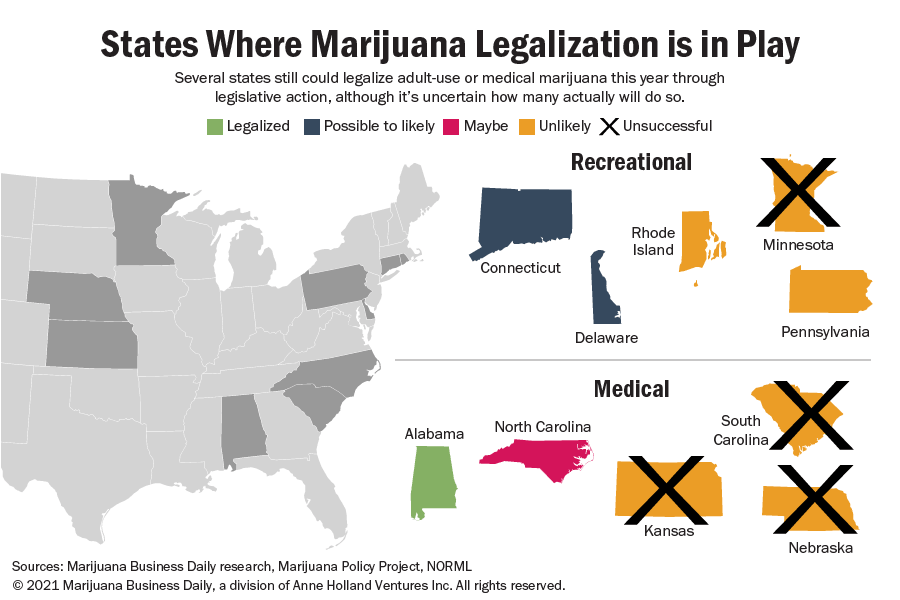
As surrounding states continue to reap significant tax revenues and economic benefits from legal cannabis sales, lawmakers in Kansas face growing financial pressure. Border communities frequently see residents travel across state lines to purchase products in neighboring jurisdictions, resulting in a steady outflow of tax dollars from the local economy. Business advocates and tourism boards in cities near the state borders argue that legalization could stimulate economic growth, create jobs, and integrate the state into the broader Midwest tourism economy.
Predicting the Timeline for Legalization
Predicting exactly when weed will be legal in Kansas requires examining the gradual shifts in political dynamics and regional trends. While a sudden jump to full recreational legalization in the near term remains unlikely, a phased approach focusing strictly on medical use represents the most plausible stepping stone.
The Medical Marijuana Pathway
Most political analysts and lobbyists suggest that if reform occurs, it will begin with a tightly regulated medical cannabis program. Lawmakers who oppose recreational use have occasionally signaled a willingness to consider medical applications, provided the regulatory framework includes strict oversight by the Kansas Department of Health and Environment.
- Key Indicators for Reform:
- Shift in leadership within key legislative committees.
- Increasing bipartisan support for patient access.
- Continued economic success and tax collection data from neighboring states like Missouri.
- Shifts in federal policy regarding cannabis scheduling.
Should a medical bill finally gain traction and pass, the implementation phase would likely take anywhere from twelve to twenty-four months to establish licensing, testing facilities, and secure dispensaries. Following a successful medical rollout, a recreational market could take several more years to materialize, echoing the evolutionary trajectory seen in other conservative states.

What Travelers and Residents Should Know Now
For individuals living in or visiting Kansas, current laws demand strict adherence to existing statutes. Traveling across state lines with cannabis—even when departing from a state where it is entirely legal, such as Colorado—constitutes federal drug trafficking if crossing state boundaries, and local law enforcement retains the authority to prosecute possession under state law.
Visitors planning road trips through the Great Plains should remain acutely aware of these boundaries. Law enforcement agencies along major transit corridors like Interstate 70 frequently monitor for out-of-state vehicles traveling from legal cannabis markets.
Ultimately, while the question of “When will weed be legal in Kansas?” does not yet have a definitive calendar date, the shifting cultural norms, regional economic competition, and persistent advocacy make future reform an inevitability rather than a possibility. Until the statehouse reaches a consensus, however, caution remains the best policy for anyone navigating the legal realities of the Sunflower State.
LifeOutOfTheBox is a participant in the Amazon Services LLC Associates Program, an affiliate advertising program designed to provide a means for sites to earn advertising fees by advertising and linking to Amazon.com. Amazon, the Amazon logo, AmazonSupply, and the AmazonSupply logo are trademarks of Amazon.com, Inc. or its affiliates. As an Amazon Associate we earn affiliate commissions from qualifying purchases.