
Geographical Location and Regional Context
Nestled in the northeastern corner of Kansas, Fort Leavenworth occupies a strategic and picturesque bluff overlooking the sweeping bends of the Missouri River. Situated in Leavenworth County, this historic installation sits just north of the vibrant city of Leavenworth, which holds the distinction of being the oldest incorporated city in the state. For travelers and history enthusiasts navigating the American Midwest, the installation is conveniently positioned approximately 30 miles northwest of Kansas City, making it an accessible destination for those exploring the Kansas City Metropolitan Area.
The surrounding landscape is characterized by the rolling hills of the Dissected Till Plains region, where the prairie transitions gently into the wooded river valleys that historically served as crucial highways for westward expansion. Access to the area is facilitated by several major regional arteries. Interstate 70 and Interstate 435 provide smooth transit from the south, while U.S. Route 73 and Kansas Highway 5 offer direct routes leading right to the gates of the installation. For domestic and international visitors flying into the region, Kansas City International Airport lies just a short 25-minute drive to the southeast across the state line in Missouri, making the journey to this historic landmark remarkably straightforward.
Proximity to Key Midwestern Hubs
Understanding the exact positioning of the fort requires a brief look at its broader regional footprint. While it is firmly rooted in the Sunflower State, its close proximity to the state border means that visitors frequently combine a trip here with explorations of neighboring locales. The cultural and economic gravity of Downtown Kansas City is close enough to allow for easy day trips, granting visitors access to world-class jazz clubs, barbecue establishments, and the renowned National WWI Museum and Memorial.
Additionally, the charming nearby community of Weston, located just across the river in Missouri, offers 19th-century architecture and local vineyards that complement the historical themes found on the base itself. Despite its modern military significance, the geographical setting remains deeply intertwined with the natural topography that first attracted explorers and fur traders centuries ago.
Historical Evolution and Significance as a Landmark
To truly appreciate where the installation is located, one must understand why it was placed there in the first place. Established in 1827 by Colonel Henry Leavenworth, the post originally named Cantonment Leavenworth was founded to protect the burgeoning trade along the Santa Fe Trail. Its position on the bluffs of the Missouri River provided a natural defensive advantage and served as the premier jumping-off point for westward migration, military campaigns, and survey expeditions destined for the untamed American frontier.
As the gateway to the West, the post witnessed the convergence of numerous historical trajectories. It played a pivotal role during the Mexican-American War, served as a staging ground during the turbulent era of Bleeding Kansas, and functioned as a vital supply depot during the American Civil War. Today, the entire installation is recognized as a National Historic Landmark, boasting an architectural legacy that spans nearly two centuries.
Architectural Heritage and Preservation
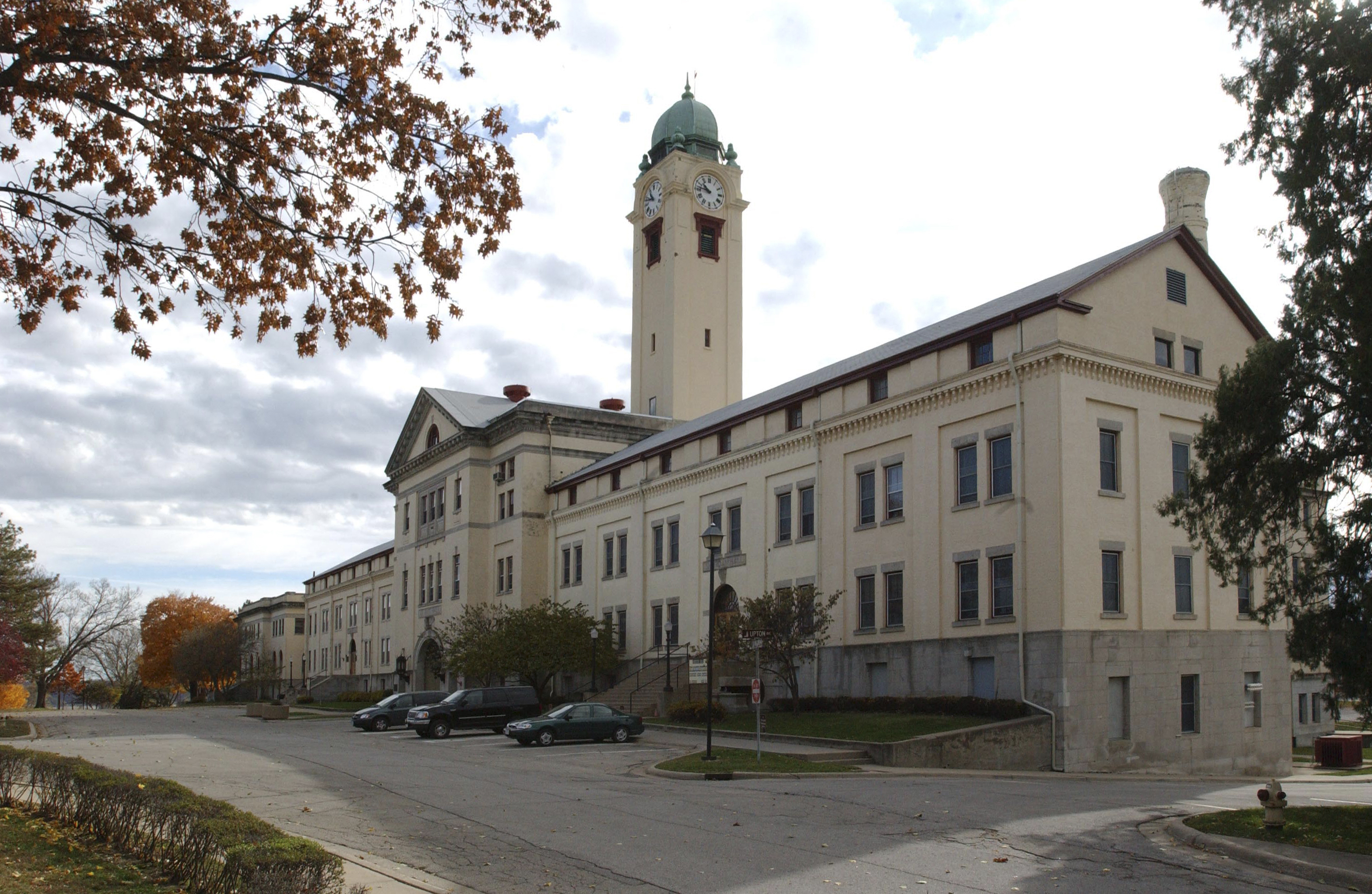
Visitors exploring the grounds will find a remarkable collection of preserved structures that narrate the evolution of the United States Army. The Rookery, built in 1834, stands proudly as the oldest standing residence in Kansas, having housed numerous legendary military figures, including General George Armstrong Custer. The sprawling campus features classic nineteenth-century brick quarters arranged around manicured parade grounds, reflecting the classic aesthetic of frontier military architecture.

The preservation efforts extend beyond individual homes to encompass entire districts. The tree-lined avenues, limestone walls, and historic markers invite travelers to step back in time. Walking through the installation is akin to touring an open-air museum, where every corner reveals a tangible link to the formation of the American West.
Cultural and Educational Hub of the Modern Military
While its historical roots are deep, the installation remains a dynamic, active component of the modern United States military infrastructure. Often referred to as the “Intellectual Center of the Army,” it is primarily known today as the home of the United States Army Command and General Staff College. This prestigious institution educates mid-grade military officers from all branches of the armed services, as well as international military fellows from dozens of allied nations, bringing a distinctly global and intellectual atmosphere to the banks of the Missouri River.
The presence of the college infuses the local community with a vibrant academic energy. Symposia, lectures, and cultural exchange events are regular occurrences, bridging the gap between civilian life and military scholarship. The academic focus underscores how a site once chosen for its raw tactical positioning has transformed into a center for strategic thought and leadership development.
Museums and Public Attractions
For travelers planning a visit, the installation offers several premier attractions dedicated to preserving and sharing its storied past. The Frontier Army Museum is a must-see destination, housing an extraordinary collection of artifacts that trace the history of the frontier army from 1827 through the end of the nineteenth century. Exhibits feature historic uniforms, weaponry, and an impressive collection of horse-drawn carriages and military vehicles, including carriages used by historic commanders.
Another prominent site on the grounds is the United States Disciplinary Barracks, the Department of Defense’s only maximum-security correctional facility. While access to the operational prison facility is strictly restricted, its historical predecessor and the adjacent national cemetery draw researchers, genealogists, and curious travelers alike. The Fort Leavenworth National Cemetery, established in 1862, serves as the final resting place for thousands of veterans, including Buffalo Soldiers, Medal of Honor recipients, and prisoners of war, offering a solemn and reflective space for remembrance.
Visitor Guide: Access, Tours, and Practical Tips
Navigating a visit to an active military installation requires some advance preparation, ensuring that travelers have a seamless and enjoyable experience. Because it is a functioning military base, security protocols are strictly enforced at all entry control points. Visitors who do not possess a Department of Defense identification card must obtain a visitor pass prior to entering the premises. This typically involves stopping at the designated visitor control center, presenting a valid government-issued photo identification, proof of vehicle insurance, and undergoing a standard background check.
Planning an itinerary should account for the operating hours of the major cultural sites, such as the Frontier Army Museum, which generally welcomes the public Tuesday through Saturday. Guided tours of the historic district can often be arranged through local tourism offices in Leavenworth, providing deeper context into the architectural marvels and dramatic narratives associated with the bluffs.

Best Times to Visit and Local Recommendations
The ideal time to explore the northeastern region of Kansas is during the spring and autumn months. During spring, the historic parade grounds burst into vibrant color with blooming dogwoods and manicured green lawns, while autumn brings crisp air and stunning foliage along the Missouri River valley. Summer can bring warm, humid conditions, though the shaded historic walkways and air-conditioned museums offer comfortable respites.
When planning a trip, travelers frequently pair their exploration of the installation with a stay in nearby Leavenworth, where local cafes, antique shops, and historic bed-and-breakfasts provide a welcoming atmosphere. Dining options range from classic Midwestern diners to upscale eateries in downtown Kansas City, ensuring that every culinary preference is met. By combining rich historical inquiry with accessible modern amenities, a journey to this iconic Midwestern landmark offers a profound appreciation for the tapestry of American history.
LifeOutOfTheBox is a participant in the Amazon Services LLC Associates Program, an affiliate advertising program designed to provide a means for sites to earn advertising fees by advertising and linking to Amazon.com. Amazon, the Amazon logo, AmazonSupply, and the AmazonSupply logo are trademarks of Amazon.com, Inc. or its affiliates. As an Amazon Associate we earn affiliate commissions from qualifying purchases.