
The Legendary World of Kansas City Barbecue
When people talk about the culinary identity of Kansas City, they are almost always talking about barbecue. This is a city where pitmasters treat smoking meat as a high art form, passed down through generations. The local style is characterized by heavy hickory wood smoke, a wide variety of meats, and thick, sweet, tomato-and-molasses-based sauces that are applied generously. Navigating this rich landscape can be daunting, but a few foundational institutions stand out as absolute must-visits for any serious food lover exploring the area.

Historic Pits and Modern Smokehouse Innovations
No culinary tour of Missouri is complete without a pilgrimage to Arthur Bryant’s Barbeque. Located near the historic 18th & Vine Jazz District, this legendary spot has been serving up rough-chopped brisket, burnt ends, and smoked ribs to presidents, royalty, and everyday locals for nearly a century. The atmosphere is unapologetically utilitarian, and the service is brisk, but the flavor profile—dominated by their iconic, coarse-rubbed meats and the legendary “King” sauce—defines traditional KC barbecue.
For a slightly different take on the craft, Joe’s Kansas City Bar-B-Q operates out of a functioning gas station, offering an unexpected setting for some of the best food in the country. The Z-Man sandwich, stacked with slow-smoked brisket, smoked provolone cheese, two onion rings, and barbecue sauce on a kaiser roll, has achieved cult status. Meanwhile, downtown institutions like The Gates Bar-B-Q greet diners with their famous, booming phrase, “Hi, may I help you?” while dishing out pork ribs and spicy, vinegar-tinged sauces that offer a sharp contrast to the sweeter varieties found elsewhere in the city.
The Cult of Burnt Ends
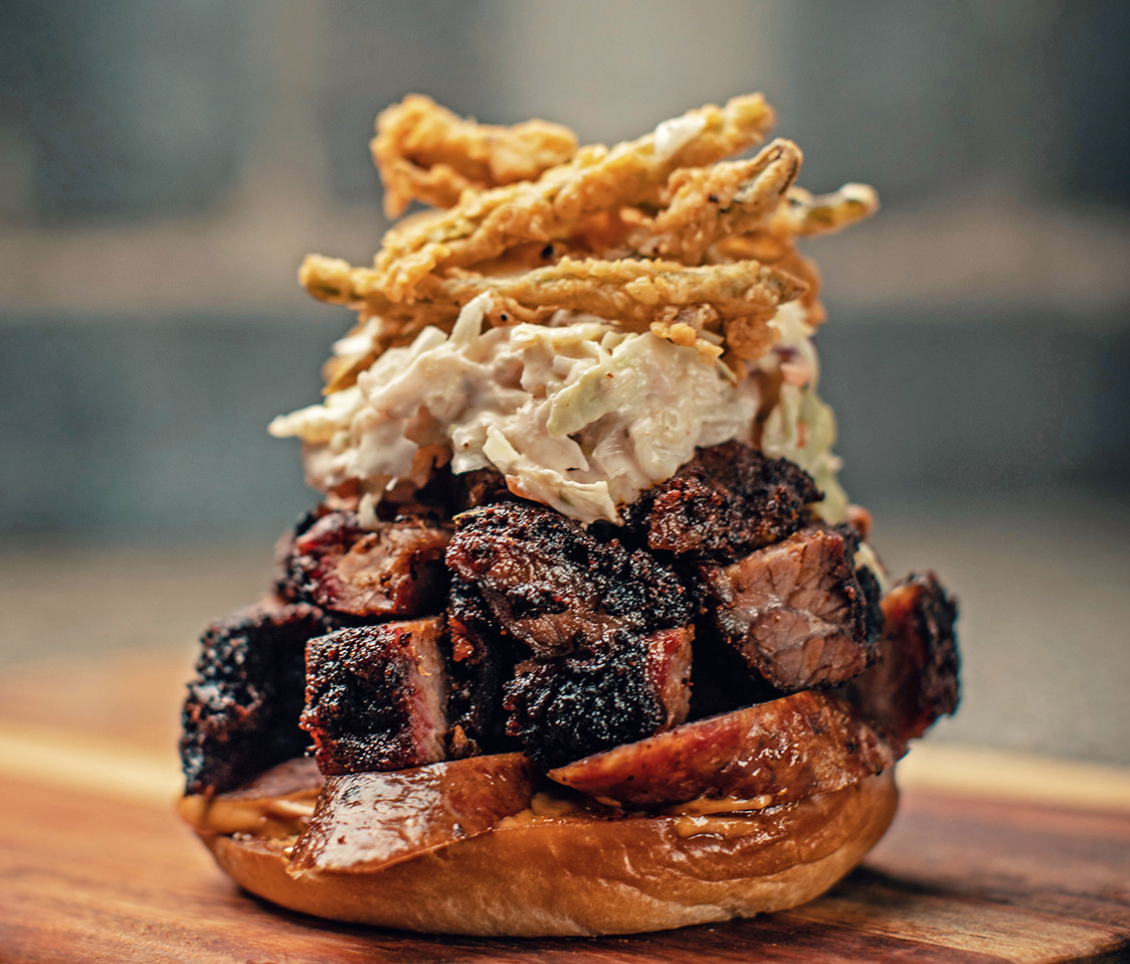
Burnt ends—the flavorful, caramelized, and heavily seasoned exterior pieces of a smoked beef brisket—are the crown jewel of the local smoking tradition. Originally given away as scraps to waiting patrons, they are now prized delicacies available at nearly every smokehouse. Places like Q39 take these traditional elements and elevate them through a fine-dining lens, blending competition-style barbecue techniques with contemporary culinary presentation. Whether you prefer the rustic charm of a paper-lined tray or the refined plating of a modern kitchen, the dedication to slow-cooked perfection remains unmatched.
Beyond the Smoker: A Thriving Farm-to-Table Movement
While barbecue forms the beating heart of local food culture, the gastronomic scene has evolved far beyond smoked meats in recent years. A vibrant wave of farm-to-table restaurants, artisan bakeries, and modern American bistros has transformed the urban core and surrounding neighborhoods into a dynamic destination for diverse dining. Chefs across the region are tapping into the agricultural wealth of the Midwest, sourcing hyper-local ingredients to create innovative seasonal menus.
Crossroads Arts District and Downtown Culinary Hotspots
The Crossroads Arts District serves as the epicenter of this contemporary food renaissance. Here, industrial warehouses have been converted into chic eateries, craft breweries, and trendy cocktail lounges. Restaurants in this district focus heavily on shared plates, global flavor influences, and inventive cocktail pairings. From house-made pastas featuring locally foraged mushrooms to sustainable seafood flown in fresh daily, the culinary execution matches the neighborhood’s artistic energy.
Just a short distance away, the historic Power & Light District and neighboring blocks offer a dense concentration of upscale dining options and casual bistros. Establishments here often highlight Midwestern comfort food elevated with French culinary techniques. Diners can enjoy prime steaks sourced from regional ranches, expertly paired with wines from emerging mid-continental vineyards, showcasing a commitment to regional excellence that extends far beyond standard diner fare.
Artisanal Markets and Neighborhood Cafes
To experience the everyday flavors of the community, a visit to City Market is essential. Operating since the mid-19th century, this sprawling open-air market brings together farmers, bakers, and international food purveyors. On weekends, the plaza fills with the aroma of fresh pastries, ethnic street foods, and roasted coffee beans. Surrounding the market square are numerous independent restaurants offering authentic Vietnamese pho, authentic Mexican street tacos, Middle Eastern mezze, and artisanal gelato, reflecting the multicultural fabric of the metropolitan area.
Global Flavors and Hidden Neighborhood Gems
The true depth of the local dining scene reveals itself when venturing into the diverse residential neighborhoods that radiate outward from downtown. Waves of immigration over the decades have left an indelible mark on the culinary landscape, resulting in pockets of exceptional, authentic international cuisine that rival those found in much larger coastal metropolises.
Authentic Mexican Cuisine Along Southwest Boulevard
Southwest Boulevard stands out as the cultural and culinary corridor for Mexican heritage in the region. Lined with family-owned taquerias, panaderias, and upscale sit-down restaurants, this strip offers everything from quick-service street tacos to elaborate moles and fresh seafood dishes prepared in coastal styles.
- Carnitas and Tacos: Small, unassuming storefronts hand-press corn tortillas daily, filling them with slow-braised pork, tender tongue, and seasoned barbacoa.
- Regional Specialities: Upscale dining rooms serve dishes rooted in specific regions of Mexico, accompanied by meticulously crafted margaritas featuring 100% blue agave tequilas and fresh fruit infusions.
- Bakeries: Local panaderias provide an array of sweet breads, conchas, and pastries that make for a perfect post-meal treat.
Asian, European, and African Culinary Diversity
Beyond the Mexican heritage along the boulevard, other global traditions thrive throughout the metropolitan area. The area surrounding North Kansas City and various suburban enclaves host exceptional Vietnamese noodle houses, Korean barbecue grills, and authentic Ethiopian eateries where injera is served alongside rich, spiced stews. These establishments highlight a welcoming, diverse community of restaurateurs eager to share their heritage through food, making every meal an educational and culturally enriching experience.
Sweet Treats, Craft Coffee, and Local Breweries
No culinary exploration is truly complete without considering the beverages and desserts that punctuate a day of eating. The local beverage scene has grown exponentially, fueled by a passion for craft production, community gathering spaces, and artisanal perfection.
The Thriving Coffee and Bakery Culture
Morning routines in the region are taken seriously, supported by an impressive network of independent coffee roasters. Cafes throughout the urban core focus on direct-trade beans, precise extraction methods, and minimalist, inviting architectural spaces. Pair a pour-over or cold brew with a pastry from a local scratch bakery—such as a laminated croissant, a fruit-filled danish, or a sourdough loaf made with locally milled grains—and you have the quintessential start to a day of urban exploration.

Craft Breweries and Distilleries
The region’s rich industrial history provides an ideal backdrop for a booming craft beverage movement. Neighborhoods like the West Bottoms and Brookside are home to innovative craft breweries pouring everything from crisp pilsners and hazy IPAs to tart barrel-aged sours. Many of these taprooms maintain a relaxed, community-focused atmosphere, often partnering with local food trucks to ensure visitors can easily pair a cold pint with gourmet street eats. Additionally, local distilleries produce award-winning whiskeys, gins, and vodkas, utilizing regional grains to capture the distinct terroir of the American heartland in every sip.
LifeOutOfTheBox is a participant in the Amazon Services LLC Associates Program, an affiliate advertising program designed to provide a means for sites to earn advertising fees by advertising and linking to Amazon.com. Amazon, the Amazon logo, AmazonSupply, and the AmazonSupply logo are trademarks of Amazon.com, Inc. or its affiliates. As an Amazon Associate we earn affiliate commissions from qualifying purchases.