
To ask who sings Kansas City is to peel back the layers of American musical history, moving from the gritty blues clubs of the early 20th century to the polished stages of international arenas. While the city itself—straddling the border of Missouri and Kansas—is the geographical anchor, the song itself has become a nomadic anthem, traveled by artists ranging from legendary bluesmen to rock-and-roll icons. Understanding the voice of this city requires an exploration of the local culture and the rhythmic heartbeat that has defined this Midwestern hub for generations.
The Blues Roots and the Birth of a Legend
The cultural tapestry of Kansas City was woven with threads of jazz and blues during the 1920s and 30s. The city served as a vibrant nexus for migration, where southern traditions met urban sophistication. The definitive version of the song, penned by songwriting giants Jerry Leiber and Mike Stoller, was first recorded in 1952 by Little Willie Littlefield. However, it was the 1959 rendition by Wilbert Harrison that propelled the track to the top of the charts and cemented the city’s place in the global consciousness.

The Influence of 18th and Vine
To understand the sound of the city, one must look at the 18th and Vine District. This historic neighborhood was the cradle of the distinctive Kansas City jazz style—characterized by heavy use of 12-bar blues and infectious, riff-based swing. Visitors walking through this district today can feel the lingering echoes of legends like Charlie Parker and Count Basie. The local culture here isn’t just about preserving a museum-like past; it is a living, breathing activity that dictates the nightlife and social rhythm of the region.
The Rhythm of Migration
The song “Kansas City” serves as a narrative of movement. The lyrics reflect a longing to return to a place that promises opportunity, a sentiment that mirrors the historical reality of the Great Migration. For many, the city was a promised land where the nightlife in the Jazz District provided an escape from the labor of the surrounding agricultural states. This dual identity—as a place of industrial grit and a center for artistic liberation—is what allows the song to resonate with listeners far beyond the Midwest.
The Evolution of the Anthem
As the song moved through the 1960s, it underwent a stylistic metamorphosis. It transitioned from a rhythm-and-blues staple to a rock-and-roll essential. The Beatles, during their formative years and their breakthrough era, adopted the song, turning it into a stadium anthem that introduced a new generation to the geography of the American heartland.
The British Invasion and American Soul
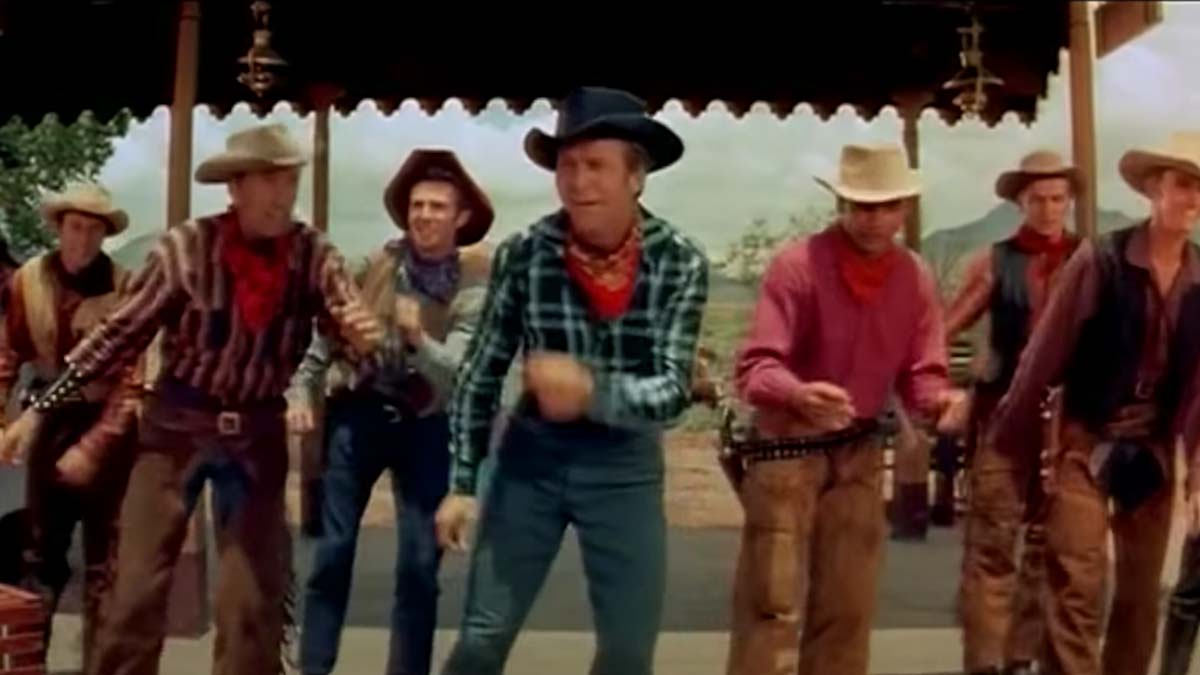
When The Beatles performed “Kansas City,” they weren’t just covering a song; they were paying homage to the American soul that influenced their own songwriting. This cross-pollination of culture helped turn the name of the city into a shorthand for the American experience. Travelers visiting from the United Kingdom or Europe often list a pilgrimage to the city as a top priority, driven by the familiarity of the tune.
Modern Interpretations
Today, the song continues to be reinvented. From jazz vocalists performing in intimate clubs to garage bands in North Kansas City, the melody is constantly being reshaped. This fluidity mirrors the city’s current tourism strategy, which balances its deep-rooted history with a burgeoning modern food and arts scene. Whether it is played in a high-end lounge or a local dive, the song remains the unofficial hymn of the metropolitan area.
Experiencing the City Behind the Song
For the modern traveler, the question “Who sings Kansas City?” is often followed by “What is there to do in Kansas City?” The city’s identity is built on more than just music; it is a place where culinary excellence and architectural splendor meet. Engaging with the city means participating in the lifestyle that inspired such an enduring piece of art.
A Culinary Tour of the Heartland
No guide to the region would be complete without mentioning the world-renowned Kansas City Barbeque. Much like the song itself, the local barbecue culture is a point of intense pride. Visitors should make a point to visit iconic spots such as Joe’s Kansas City Bar-B-Que or Arthur Bryant’s, where the slow-smoked meats are a sensory experience that complements the rhythm of the local blues scene. These venues are not merely restaurants; they are cultural institutions where the “sound” of the city is experienced through taste.
Landmarks of Culture and Art
Beyond the plate and the stage, Kansas City offers a variety of attractions that capture its unique spirit. The Nelson-Atkins Museum of Art stands as a testament to the city’s commitment to high culture, while the National WWI Museum and Memorial provides a somber, impressive look at history that grounds the city in a global context.
Essential Tips for the Music Traveler
- Time Your Visit: Plan your trip around the Kansas City Jazz and Heritage Festival to see the city in its most vibrant musical state.
- Explore the Neighborhoods: Don’t limit yourself to the city center. Venture into the Crossroads Arts District to see the modern fusion of galleries, breweries, and live music venues.
- Stay Local: Opt for boutique stays that reflect the city’s history, such as those found in Downtown Kansas City, to remain within walking distance of the primary entertainment hubs.
- Engage with Locals: The history of the song is best understood through the stories of the people who live there. Ask a local musician or a barbecue pitmaster about their favorite version of the tune; you will likely receive a unique perspective that no guidebook can provide.
The Enduring Legacy of an American Classic
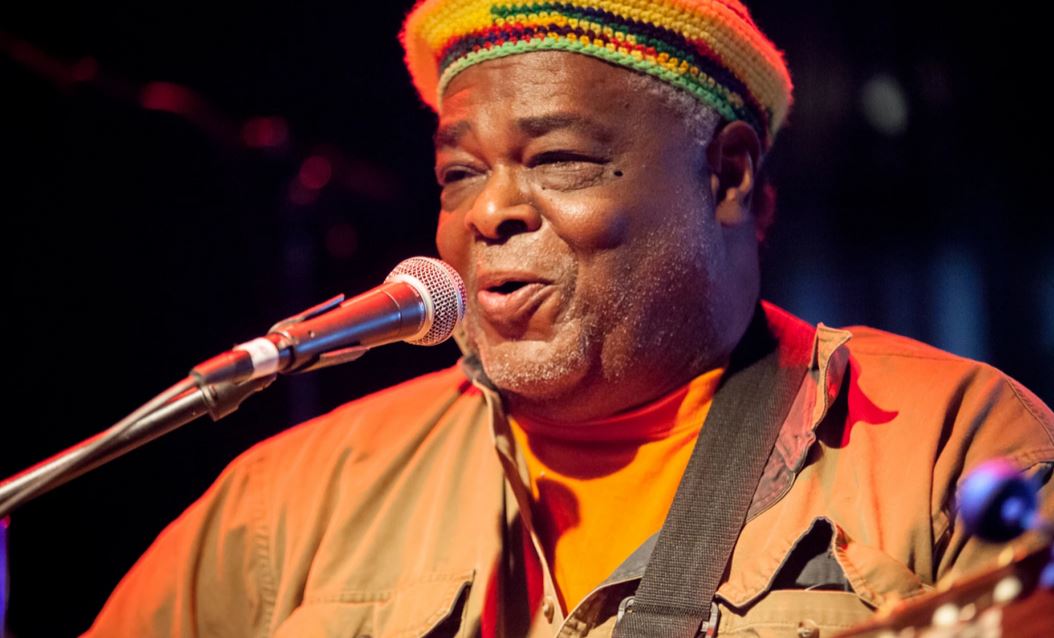
Ultimately, the question of who sings Kansas City has no single answer. The song is sung by the ghosts of jazz legends who once graced the stages of 18th and Vine, it is sung by the thousands of tourists who flock to Missouri every year, and it is sung by the city itself—a sprawling, energetic, and soulful metropolis that continues to evolve.
The song serves as a bridge between the past and the present, reminding us that music is the most powerful tool for capturing the essence of a place. Whether you are coming for the world-famous barbecue, the historical landmarks, or to walk the streets that inspired one of the most famous lyrics in history, you are participating in a tradition that is far larger than one person or one artist. The city sings through its architecture, its cuisine, and its people. As you wander through the streets of Kansas City, listen closely—you might find that you are singing along, too.
LifeOutOfTheBox is a participant in the Amazon Services LLC Associates Program, an affiliate advertising program designed to provide a means for sites to earn advertising fees by advertising and linking to Amazon.com. Amazon, the Amazon logo, AmazonSupply, and the AmazonSupply logo are trademarks of Amazon.com, Inc. or its affiliates. As an Amazon Associate we earn affiliate commissions from qualifying purchases.