
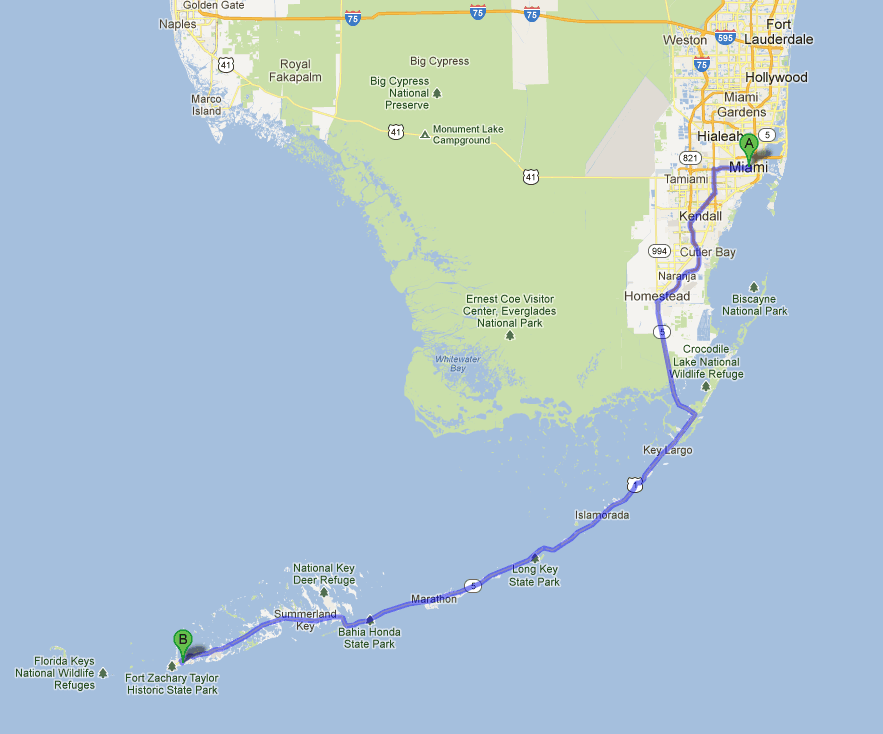
For decades, the southernmost point of the United States has beckoned travelers with the promise of turquoise waters, laid-back Caribbean vibes, and a sunsets-over-everything philosophy. Key West is not just a destination; it is a state of mind. Yet, for those planning their journey to this island paradise, the question of logistics often looms large. While many travelers prefer the iconic, multi-hour road trip down the Overseas Highway, an increasing number of visitors are opting to trade the pavement for the clouds. Understanding who flies to this idiosyncratic island reveals much about the shifting demographics and diverse motivations of the people who call on this tropical outpost.
The Business Traveler and the Digital Nomad
While Florida is often associated with leisure, the rise of remote work and the evolution of the hospitality industry have transformed who lands on the tarmac at Key West International Airport.
Corporate Retreats and Boutique Conferences
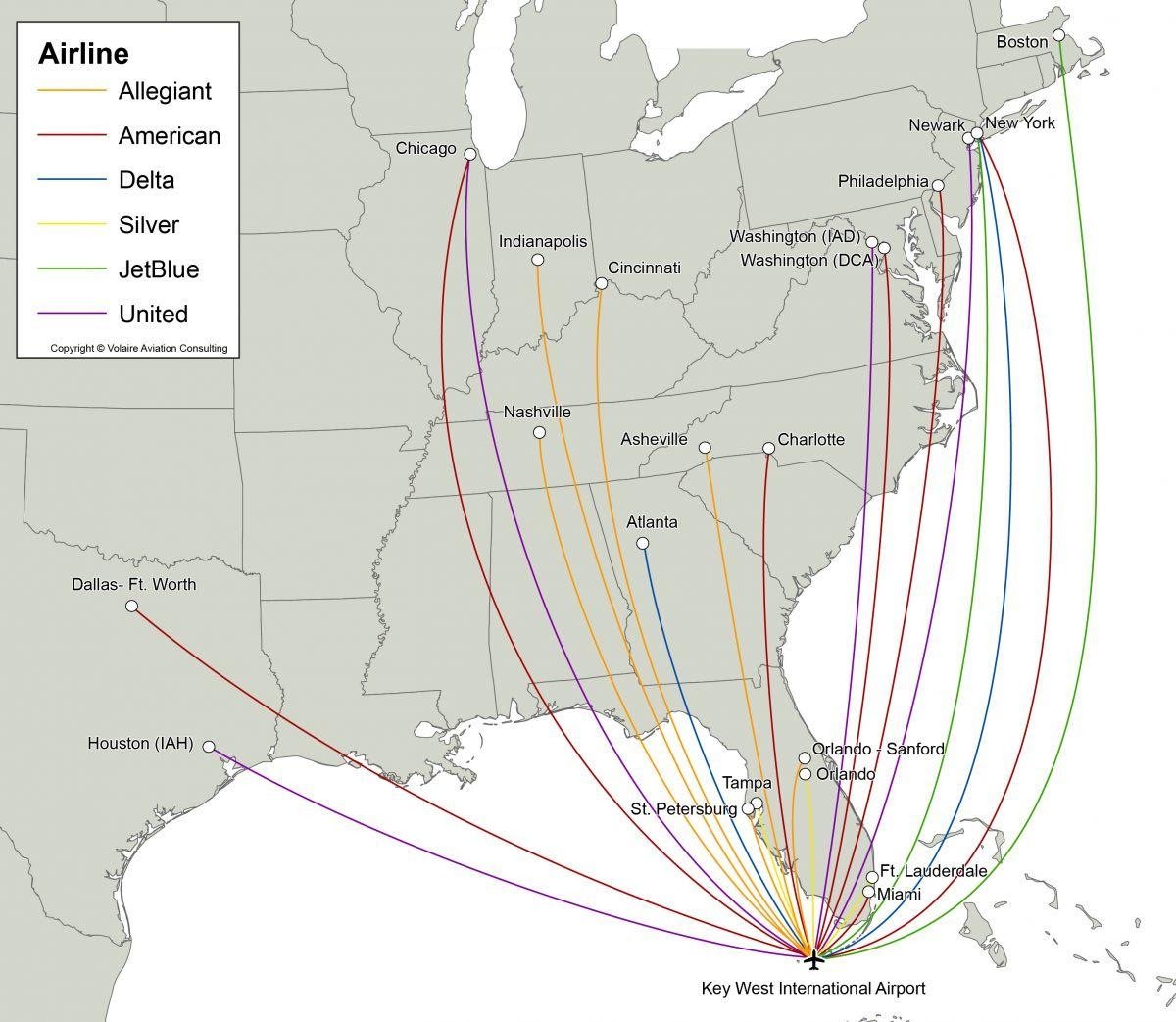
Key West has moved beyond being solely a spring break destination. High-end resorts and meeting spaces have attracted corporate entities looking to blend productivity with paradise. Executives who fly into the island are typically those whose time is their most valuable currency. They bypass the four-hour drive from Miami or Fort Lauderdale, choosing instead to touch down directly in the heart of the island. These professionals prioritize efficiency and accessibility, arriving via regional jets that allow them to transition from a boardroom meeting in New York or Atlanta to a sunset sail in a matter of hours.
The Rise of the Location-Independent Professional
The post-pandemic era saw a surge of location-independent professionals—often referred to as digital nomads—who have chosen to base their operations in the Florida Keys. For these individuals, flying is a necessity of lifestyle maintenance. They are frequent fliers who maintain a connection to major urban hubs while relishing the solitude and creative stimulation of an island environment. They are not merely vacationers; they are part of a growing class of “bleisure” travelers who integrate work and play seamlessly, utilizing the island’s expanding high-speed infrastructure to stay connected to the mainland.
The Luxury Traveler and the Seeker of Convenience
For the luxury market, the appeal of flying to Key West is found in the minimization of transit fatigue. When the goal is an immediate immersion into luxury, every minute spent on a highway is a minute of vacation lost.
Private Aviation and Regional Connectivity
Key West acts as a major magnet for general aviation. A significant portion of the air traffic into the island consists of private charters and smaller, privately-owned aircraft. These travelers, often residing in affluent enclaves across the Southeast, view the island as their weekend backyard. They gravitate toward luxury properties like the Ocean Key Resort & Spa, where the ease of access via a quick flight complements the exclusivity of the accommodation. These visitors are accustomed to high-touch service, and the ability to avoid the commercial terminal flow—or at least to minimize it—is a primary driver of their choice to fly.

Short-Term Enthusiasts
There is a segment of the traveling population that treats Key West like a neighborhood café. These are the visitors who fly in for “micro-trips”—long weekends designed to maximize sunshine and social activity. Because they are restricted by time, they cannot afford the scenic drive from the mainland. Instead, they leverage the regional flights provided by carriers like American Airlines, Delta Air Lines, and United Airlines. Their demographic is broad, ranging from young professionals seeking the nightlife of Duval Street to retirees who have mastered the art of maximizing travel efficiency.
The Seasonal Snowbird and the International Visitor
Key West has always been a sanctuary for those escaping the harsh winters of the northern latitudes. While many “snowbirds” bring their vehicles, a substantial subset of this demographic—particularly as they age—prefers the comfort and safety of commercial flight.
The Aging Demographic
As the generation of travelers that fueled the Key West boom in the 80s and 90s continues to mature, their travel preferences have shifted. The long, winding journey through the Middle Keys becomes less appealing compared to the convenience of flying directly into EYW. For these travelers, the flight is about preserving energy for the experiences that matter: visiting the Ernest Hemingway Home and Museum, touring Fort Zachary Taylor Historic State Park, or dining at the Blue Heaven restaurant. They are willing to pay a premium for the convenience of landing close to their destination.
The Global Traveler
Key West is increasingly appearing on the itineraries of international visitors. For tourists flying from Europe or South America, a trip to the United States is a significant undertaking. After landing at a major gateway like Miami International Airport, these travelers are often exhausted. The prospect of renting a car and navigating the Overseas Highway is daunting. Consequently, many opt for a connecting flight—a short hop that turns a stressful drive into a scenic 45-minute descent over the Florida Bay. These international visitors are often on longer, multi-stop itineraries, and they prioritize the ease of domestic regional connections to keep their holiday momentum going.
The Evolution of Access and the Future of Island Travel
The demographics of who flies to Key West are inextricably linked to the island’s infrastructure. As the Key West International Airport has undergone renovations and expanded its capacity, it has naturally attracted a wider array of travelers.
Changing Perceptions of Island Logistics
There was a time when the road trip was considered “part of the fun.” While this sentiment remains true for many road-trippers, there is a cultural shift toward valuing arrival over transit. As the island continues to promote itself as a high-end cultural destination—hosting events like the Key West Literary Seminar and various world-class food and wine festivals—the profile of the typical visitor is skewing toward those who value convenience, comfort, and direct access.
Why Air Travel Remains the Strategic Choice
Ultimately, those who fly to Key West are united by a singular focus: the island itself. Whether they are business leaders retreating from the noise of the city, luxury travelers maximizing their leisure time, or international explorers seeking a unique slice of Americana, the choice to fly is a strategic one. It is a commitment to spending less time behind the wheel and more time in the sun. As air travel becomes more integrated into the fabric of the island experience, the “who” is becoming less about a specific niche and more about the diverse collective of individuals who have realized that paradise is most enjoyable when you arrive there rested, refreshed, and ready to explore the storied streets of Key West.
LifeOutOfTheBox is a participant in the Amazon Services LLC Associates Program, an affiliate advertising program designed to provide a means for sites to earn advertising fees by advertising and linking to Amazon.com. Amazon, the Amazon logo, AmazonSupply, and the AmazonSupply logo are trademarks of Amazon.com, Inc. or its affiliates. As an Amazon Associate we earn affiliate commissions from qualifying purchases.