
While Las Vegas is globally renowned for its scorching summer temperatures and vibrant pool scenes, visitors are often surprised by the reality of a desert winter. Many travelers assume that a trip to Nevada guarantees endless sunshine and balmy nights, but the truth is far more nuanced. Understanding the seasonal shifts in this high-desert environment is essential for anyone planning a trip, especially if you intend to explore the outdoor marvels surrounding the city or walk the long stretches of the Las Vegas Strip.
The Reality of Winter in the Mojave Desert
Contrary to the tropical fantasy often depicted in movies, Las Vegas experiences a distinct climate dictated by its position in the Mojave Desert. Because the city sits at an elevation of approximately 2,000 feet, it does not hold heat the way a coastal city might.
December and January: The Deep Freeze
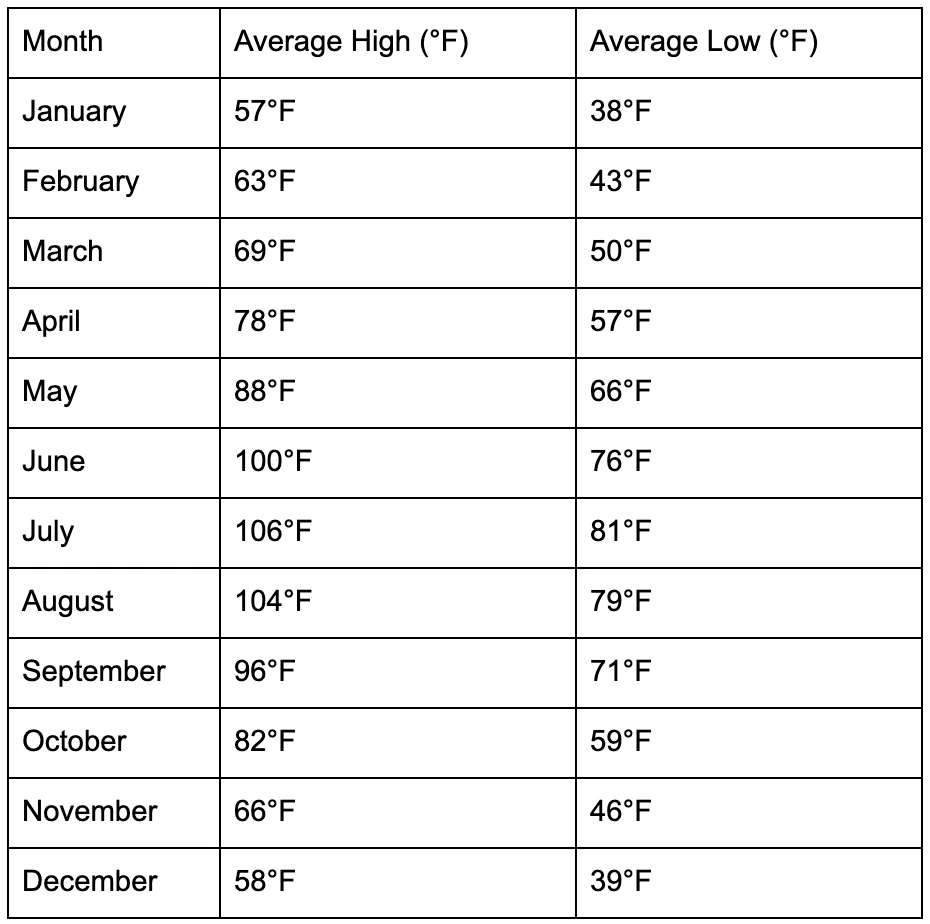
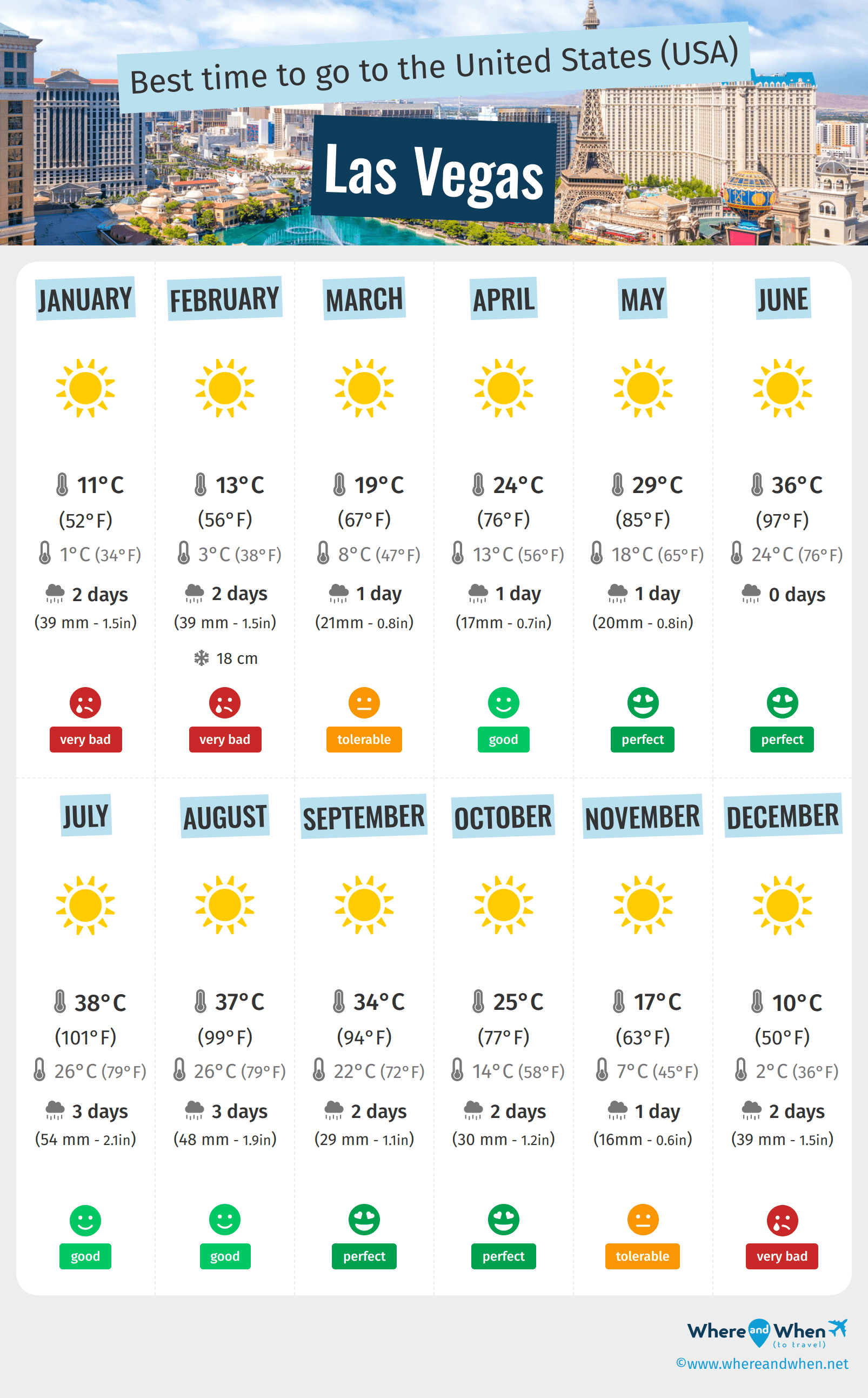
During the months of December and January, daytime highs average between 55°F and 60°F (13°C–16°C). While this may feel mild compared to Northern climates, the rapid drop in temperature once the sun dips behind the Spring Mountains is dramatic. Nighttime temperatures frequently plummet to the low 30s or even the high 20s Fahrenheit (-1°C to 4°C). If you are walking between properties at night, the “canyon effect” of the tall buildings can funnel frigid air along the sidewalks, making it feel significantly colder than the local weather report might suggest.
February: The Transition Period
By February, the city begins to thaw. You will find temperatures oscillating between 60°F and 65°F. It is the perfect time for those who dislike the oppressive heat but want to avoid snow. However, this is also when the desert winds tend to pick up, adding a brisk “wind chill” factor that can make a sunny day feel surprisingly biting.
Essential Gear for Cold-Weather Sightseeing
If your itinerary includes visiting Red Rock Canyon or taking a day trip to the Grand Canyon, you must pack appropriately. The temperature drop is exponential as you gain altitude or move away from the urban heat island of the city center.
- Layering is Mandatory: Start with a moisture-wicking base layer, add a fleece or wool mid-layer, and finish with a windproof jacket.
- Footwear Considerations: If you are hiking in Valley of Fire State Park, the ground stays quite cold. Ensure your socks are thick and your footwear is closed-toe to avoid discomfort on the trail.
- The Accessory Factor: A light scarf, gloves, and a beanie are often overlooked by tourists who associate the Southwest solely with heat. In mid-January, these items are often the difference between a pleasant walk to The Venetian and a miserable, shivering sprint to the next indoor climate-controlled environment.
Indoor Activities vs. Outdoor Exploration
The beauty of the Las Vegas tourism experience is its duality. In the winter, the strategy for maximizing your comfort involves pivoting your focus based on the time of day.
Morning and Afternoon: Outdoor Exploration
The best time to see the Seven Magic Mountains or walk the Fremont Street Experience is during the peak sunlight hours, generally between 11:00 AM and 3:00 PM. The sun in Nevada is intense even in the winter, and if you are moving, you will find it quite comfortable to wear a light jacket or even a sweater.
Evening: The Indoor Oasis
As the sun sets, the city’s temperature drops rapidly. This is the optimal time to move your activities indoors. Whether you are exploring the high-end shopping at The Forum Shops at Caesars or catching a spectacular show at MGM Grand, the massive, enclosed resort complexes provide an escape from the crisp desert night. Most of the major casinos, such as Wynn Las Vegas or Bellagio, maintain a consistent internal climate, ensuring that you can remain comfortable in casual attire without needing your heavy winter coat once you are inside the gaming floors or theater lobbies.
Weather Myths and Tourist Expectations
There is a persistent myth that Las Vegas is “always warm.” This misconception often leads to disappointment for travelers who arrive in January expecting to sunbathe by the pool.
The Pool Season Reality
Most outdoor resort pools in Las Vegas close or operate on very limited schedules during the winter months. Unless you are staying at a property with a heated year-round pool or a specialized indoor facility, you should not plan your vacation around swimming. Always check the status of your resort’s amenities before booking if water activities are a priority.
Rain and Snow
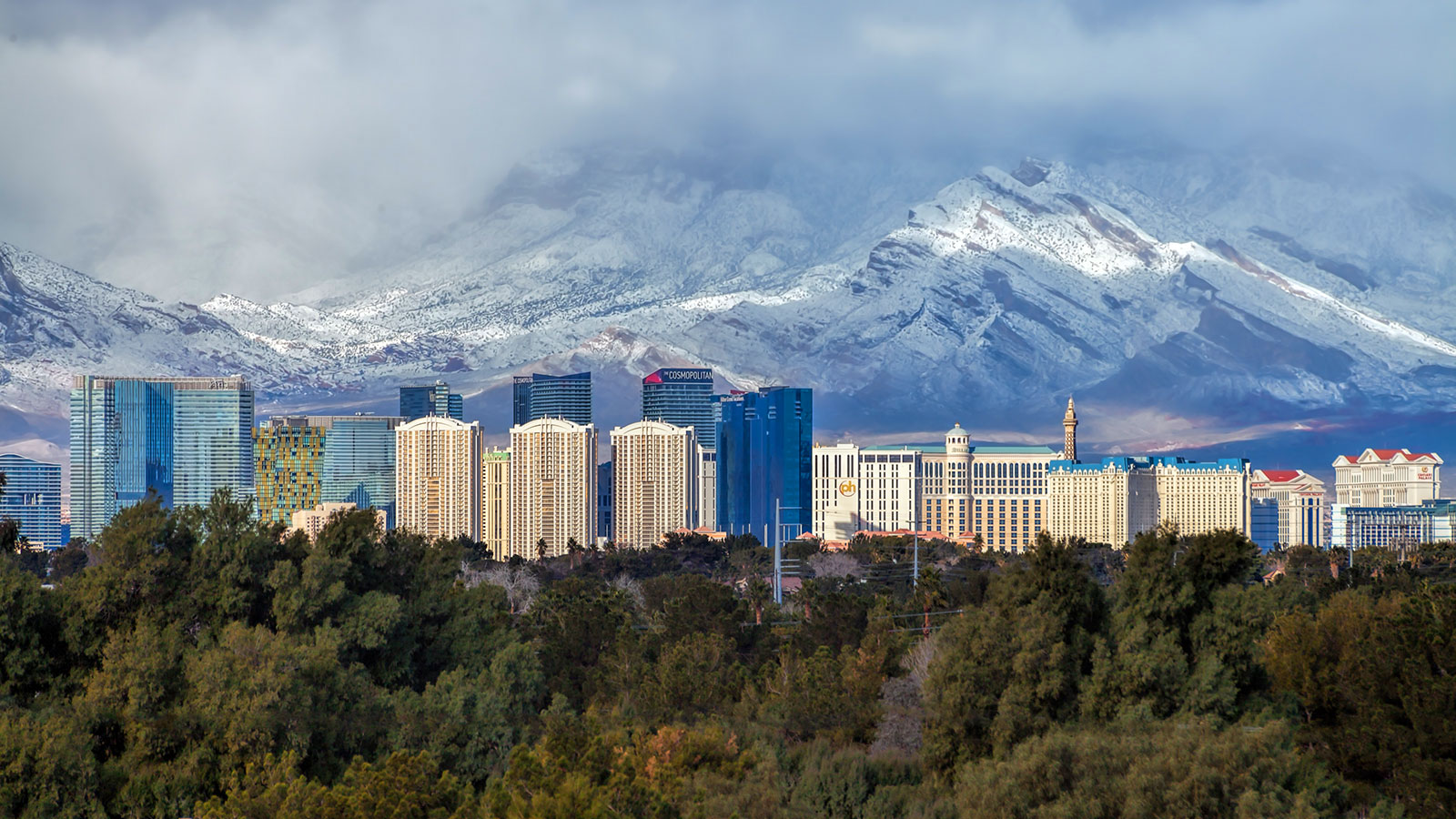
While snow is rare on the Las Vegas Strip, it is quite common in the surrounding mountains. If you are planning to visit Mount Charleston for a winter excursion, be prepared for actual wintry conditions, including icy roads and significantly colder temperatures than those found on the valley floor. Rain, while sporadic, typically occurs in short, intense bursts during the winter, which can lead to quick cooling and damp conditions.
Final Travel Tips for the Winter Season
To ensure your trip remains enjoyable despite the cold, focus on timing your outdoor activities to coincide with the sun. Research indicates that the highest temperatures usually hit around 2:00 PM. By planning your long walks and outdoor excursions during this window, you can avoid the coldest hours of the morning and evening.
Furthermore, remember that the dry air of the Mojave Desert can exacerbate the feeling of cold. While the humidity is low, the evaporation of moisture from the skin can make the air feel sharper. Carrying lip balm, moisturizer, and staying hydrated are just as important in the winter as they are in the summer heat.
Ultimately, Las Vegas in the winter is an underrated destination. With fewer crowds and moderate temperatures, it offers a distinct charm that the sweltering summer months simply cannot provide. By packing layers, adjusting your expectations, and utilizing the incredible indoor infrastructure of the world-class resorts like The Cosmopolitan of Las Vegas, you can enjoy everything the city has to offer while staying perfectly comfortable. Just be sure to watch the forecast, keep that jacket handy, and enjoy the crisp, clear desert skies.
LifeOutOfTheBox is a participant in the Amazon Services LLC Associates Program, an affiliate advertising program designed to provide a means for sites to earn advertising fees by advertising and linking to Amazon.com. Amazon, the Amazon logo, AmazonSupply, and the AmazonSupply logo are trademarks of Amazon.com, Inc. or its affiliates. As an Amazon Associate we earn affiliate commissions from qualifying purchases.